
By Iain Harris, Asset Management Director, Invesis
When I started working on PFI/PPP projects more than 30 years ago, I never really imagined I would still be involved when some of those same projects reached the end of their concession period. Yet that's exactly where I find myself today.
The recent handback of Peacehaven Schools in East Sussex, following a 25-year concession, has given me an opportunity to reflect on what makes a long-term infrastructure partnership successful, the challenges we've navigated along the way and what we can learn from that experience.
Having worked across almost every stage of the infrastructure lifecycle, from development and bidding through construction, operations and now handback, one thing stands out to me: successful partnerships depend on much more than the contracts that underpin them.
They depend on people, strong relationships, a willingness to adapt and a shared commitment to finding solutions. These qualities have been central to the success of Peacehaven, and I believe they have an equally important role to play in shaping the next generation of public-private partnerships.
The value of long-term commitment
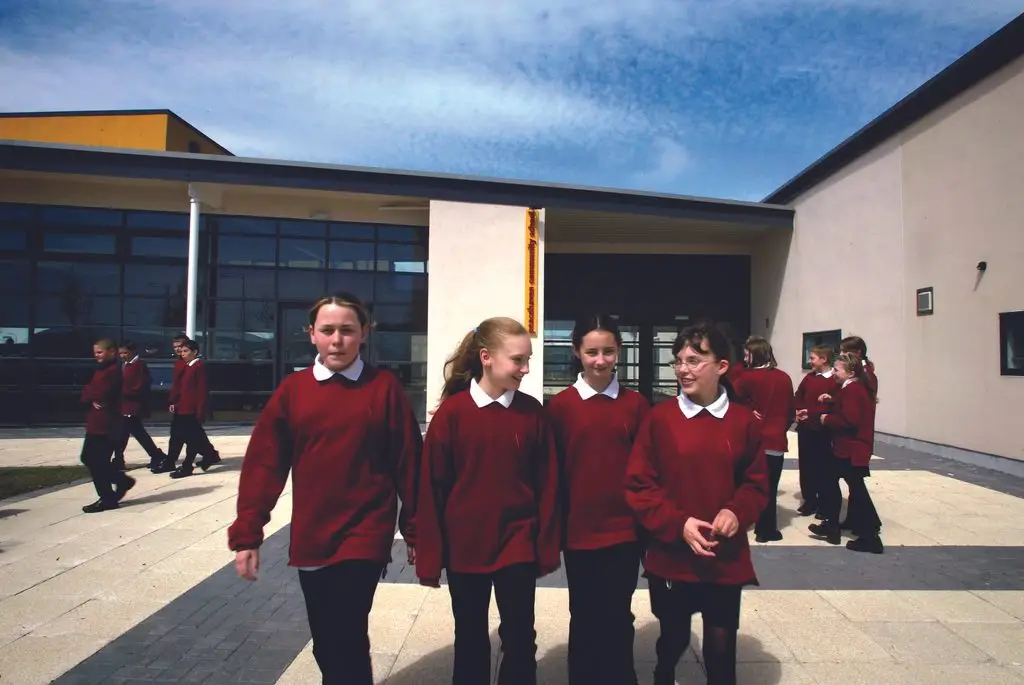
Peacehaven Schools reached handback on 31 July 2026, bringing to a close a project first tendered in the late 1990s, with construction taking place between 2000 and 2001.
The successful conclusion of the 25-year concession reflects the dedication, endeavour and collaboration of everyone involved, including East Sussex County Council, facilities manager provider EMCOR and Invesis as the investor.
For me, the experience has reinforced the importance of long-term commitment and continuity in infrastructure investment, particularly when it comes to the relationships that underpin successful partnerships.
Inevitably, there have been challenges, changes in personnel and occasions when different priorities needed to be reconciled. But strong working relationships, supported by complementary organisational cultures and values, helped us find a way through.
At Invesis, our intention from the outset is to partner with the public sector for the long term - from project inception through to handback. That continuity creates opportunities to develop trust, shared understanding and a genuine commitment to achieving the project's objectives.
Of course, public and private sector partners will have different responsibilities and motivations. But that doesn't prevent alignment around what really matters: providing infrastructure and associated services that support essential public services over the long term.
Peacehaven is a good example of how a long-term approach and commitment can make a real difference.
Flexibility through collaboration
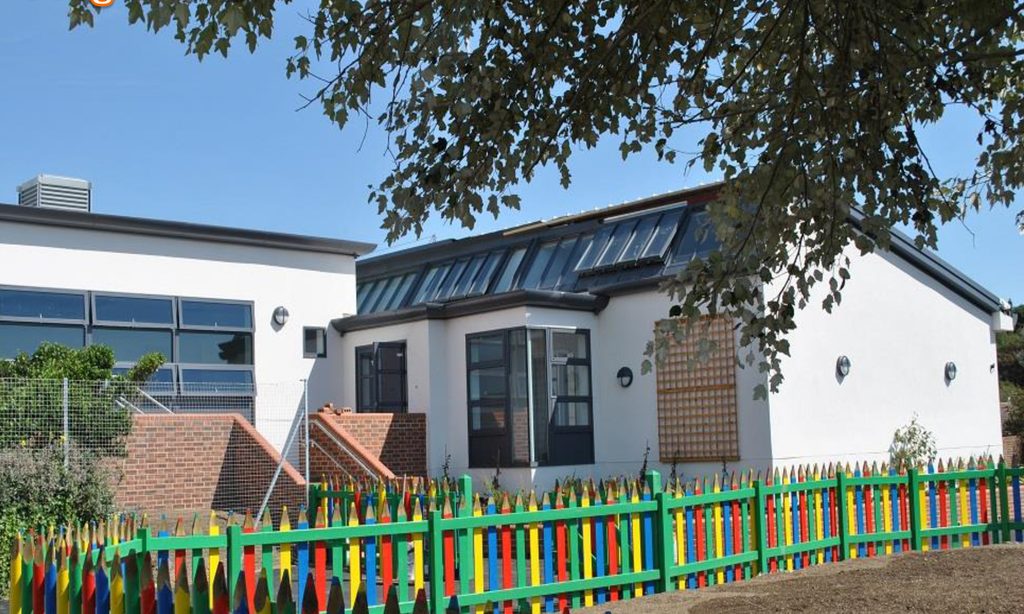
When the Peacehaven project was developed, the objective was to replace an ageing school estate and deliver a significant improvement in educational facilities for the local community.
The new schools provided modern facilities to support education, but delivering the buildings was only the beginning.
Over the following 25 years, the requirements of the schools continued to evolve. Changes in educational policies, curriculum requirements, teaching methods and pupil numbers all created new demands on the facilities and services.
Working alongside our partners and the schools, we responded to those changing needs through hundreds of modifications, mostly relatively small but all operationally important. These included reconfiguring spaces to accommodate different uses and delivering significant extensions to provide additional capacity as school rolls increased.
PFI is sometimes criticised for being inflexible. My experience at Peacehaven suggests a more nuanced picture.
Managing change within a long-term contractual framework is undoubtedly complex, and I wouldn't suggest otherwise. In some respects, it can be more challenging than under other forms of procurement.
But complexity shouldn't be confused with an inability to adapt.
When partners understand the purpose of a project, maintain positive working relationships and share a commitment to finding solutions, it is possible to respond to changing requirements.
Peacehaven demonstrated that flexibility is not simply a question of contractual provisions. It also depends on the people involved and their willingness to work together to improve the facilities and the users’ experience.
Designing partnerships for a changing world
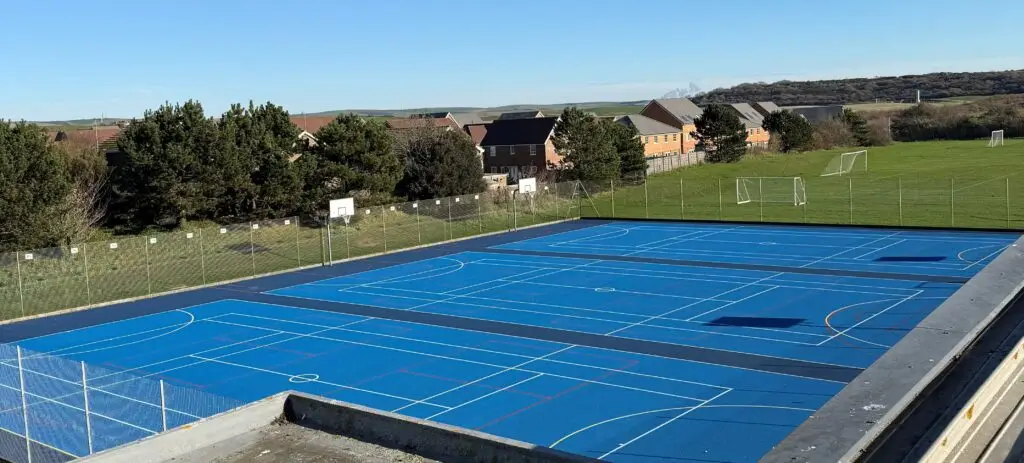
Looking back, it's easy to suggest that if we'd known 25 years ago what we know today, we could have structured and managed everything differently, making handback a much simpler process.
In some respects, perhaps we could have. But I don't believe it's realistic to expect the arrangements established at the beginning of a concession will address evolving developments and expectations several decades into the future.
Over the life of a PPP, there will inevitably be changes in people, technology, legislation, technical standards, working practices and public expectations.
That's not necessarily a problem. In many cases, it's a positive reflection of progress.
The handback provisions in some early PFI contracts have attracted criticism, but even if we drafted new agreements today using everything we've learned, it's entirely possible, or even likely, that in another 20 or 30 years some of those provisions would be regarded as inadequate.
Times change, and infrastructure partnerships need to recognise that reality.
Rather than assuming we can anticipate every eventuality, we should consider how future PPP arrangements can accommodate change while maintaining the accountability, certainty and governance that long-term infrastructure investment requires.
Handback starts long before the end
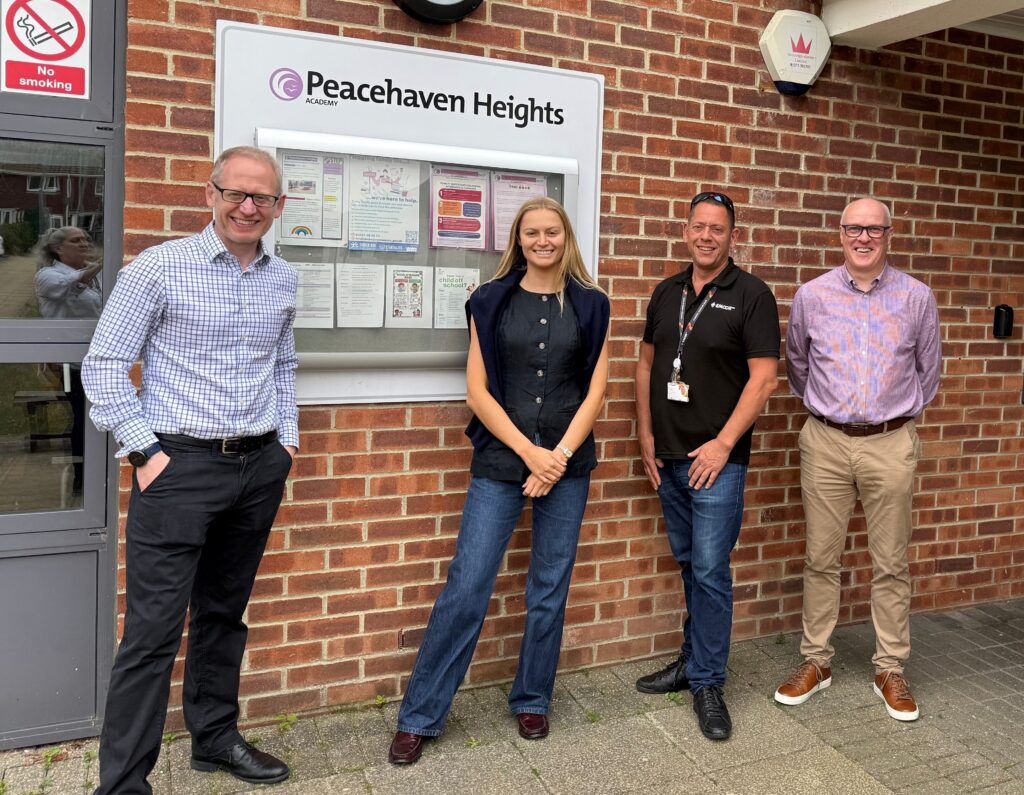
and Emcor Facilities Manager.
Peacehaven was one of the early PFI projects, and its contract contained only minimal handback requirements. Invesis worked with East Sussex County Council and EMCOR to put a plan in place early. The handback process began approximately five years before the concession expired, ahead of the publication of much of today's guidance on PFI expiry. Having that time meant issues could be identified and addressed as they arose, without the pressure of a rushed process.
The pragmatic and reasonable approach taken by the parties led us towards a process that was broadly consistent with the guidance that subsequently emerged, some of which was applied retrospectively.
Handback requires considerable preparation, careful management and the full engagement of all stakeholders. Unlike many activities during the operational phase, there is a definitive deadline that cannot simply be moved.
Each party also has its own requirements and expectations. Understanding these, while maintaining a shared focus on the overall objectives and the obligations set out in the Project Agreement, is essential.
At Peacehaven, Invesis was able to fulfil its own responsibilities while supporting other stakeholders, including the users of the facilities, where appropriate.
That didn’t mean everything was straightforward. Challenges arose, as they inevitably do in a process of this scale and complexity. But through effective governance, sound judgement and constructive working relationships, those challenges were addressed.
I was particularly proud that we reached the expiry date leaving East Sussex County Council with a school estate that had served the community for 25 years and remained in excellent condition, capable of continuing to support education long into the future.
For me, that’s an important measure of success. Handback shouldn’t simply be viewed as the conclusion of the contract. It’s also the quality and long-term usefulness of the assets being returned to the public sector.
What can future PPP's learn?
Having now experienced the full lifecycle of Peacehaven Schools, I've found myself reflecting on the similarities between the project's earliest stages and its conclusion.
I remember the bidding and preferred bidder period, when very little felt standard or straightforward. Unknowns were the norm, and finding solutions was a daily, sometimes hourly, necessity.
Financial close was a major achievement and, for some, perhaps felt like the end of something. In reality, it was only the beginning.
Construction followed, then a long operational period during which the project had to deliver on its original promises while responding to changing circumstances, including the unprecedented challenges of COVID-19.
And finally, handback brought another period of intense activity, with everyone focused on achieving a defined outcome.
What strikes me is the level of collaboration that often characterises both the beginning and end of a PPP.
During bidding and financial close, teams work together to overcome obstacles, resolve uncertainty and reach a shared objective. A similar mentality emerges during handback, when deadlines, practical challenges and the need for cooperation encourage people to find solutions.
Of course, the legal and commercial frameworks governing PPPs play an essential role throughout the operational period. They establish responsibilities, protect the interests of the parties and provide mechanisms for managing performance and risk.
But those frameworks can also influence behaviours and working practices.
Having experienced both the beginning and end of the concession, it has made me consider whether future PPPs could do even more to encourage and sustain that spirit of problem-solving, pragmatism and innovation throughout their lifecycle.
This isn't about removing necessary contractual protections or governance. It's about ensuring those frameworks support, rather than constrain, collaboration and allow everyone involved to work constructively towards shared objectives.
For me, that's one of the most valuable lessons from Peacehaven. The success of a long-term partnership depends not only on the strength of its contractual arrangements, but also on the willingness of those involved to work together, adapt and find solutions along the way.
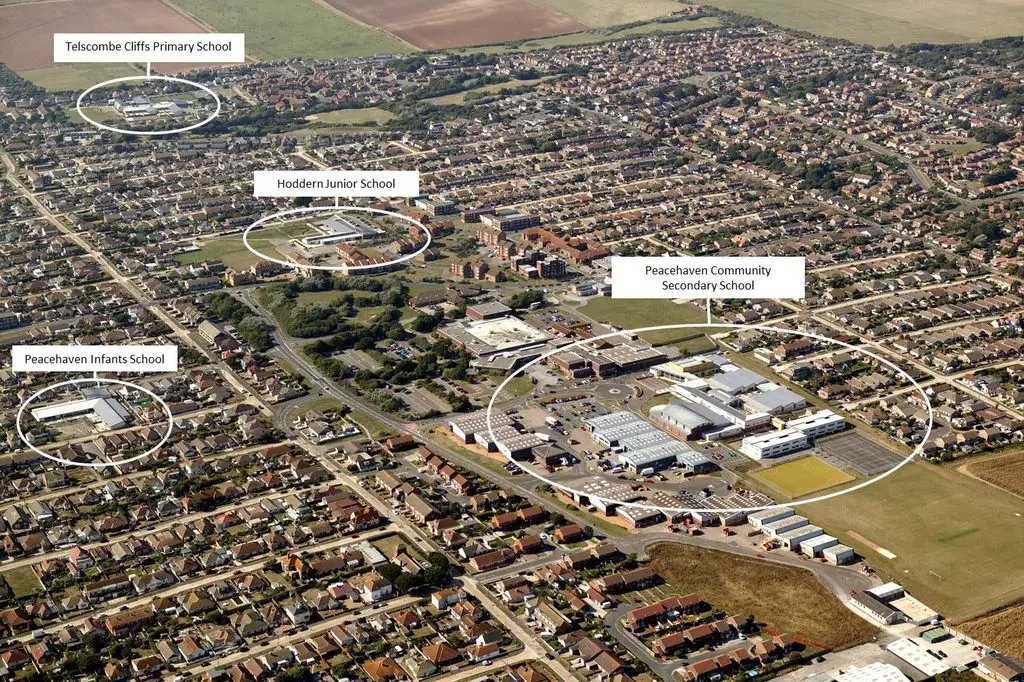
Looking ahead
I'm immensely proud of what everyone involved in Peacehaven Schools has achieved.
What began as an idea more than 25 years ago became a new school estate, supporting education, employment and community life. Throughout the concession, the facilities evolved to meet changing needs, and the project has now reached handback.
It demonstrates what can be achieved through long-term commitment and effective collaboration between the public and private sectors.
Does that mean PFI and PPP have always worked perfectly? Of course not. There are lessons to be learned, challenges to acknowledge and aspects of the model that can and should be improved.
But I remain convinced of the significant benefits that well-structured and well-managed PPPs can deliver.
As we look towards the next generation of infrastructure partnerships, we should build on what has worked, address what hasn't and recognise that successful projects depend on much more than the agreements signed at financial close.
They depend on people, relationships and a shared determination to deliver lasting value.
After more than 30 years in infrastructure, and having now seen a project through to handback, that's a lesson I believe is worth carrying forward.