Strengthening the Netherlands' iconic flood defence to protect communities from rising seas and the forces of climate change.
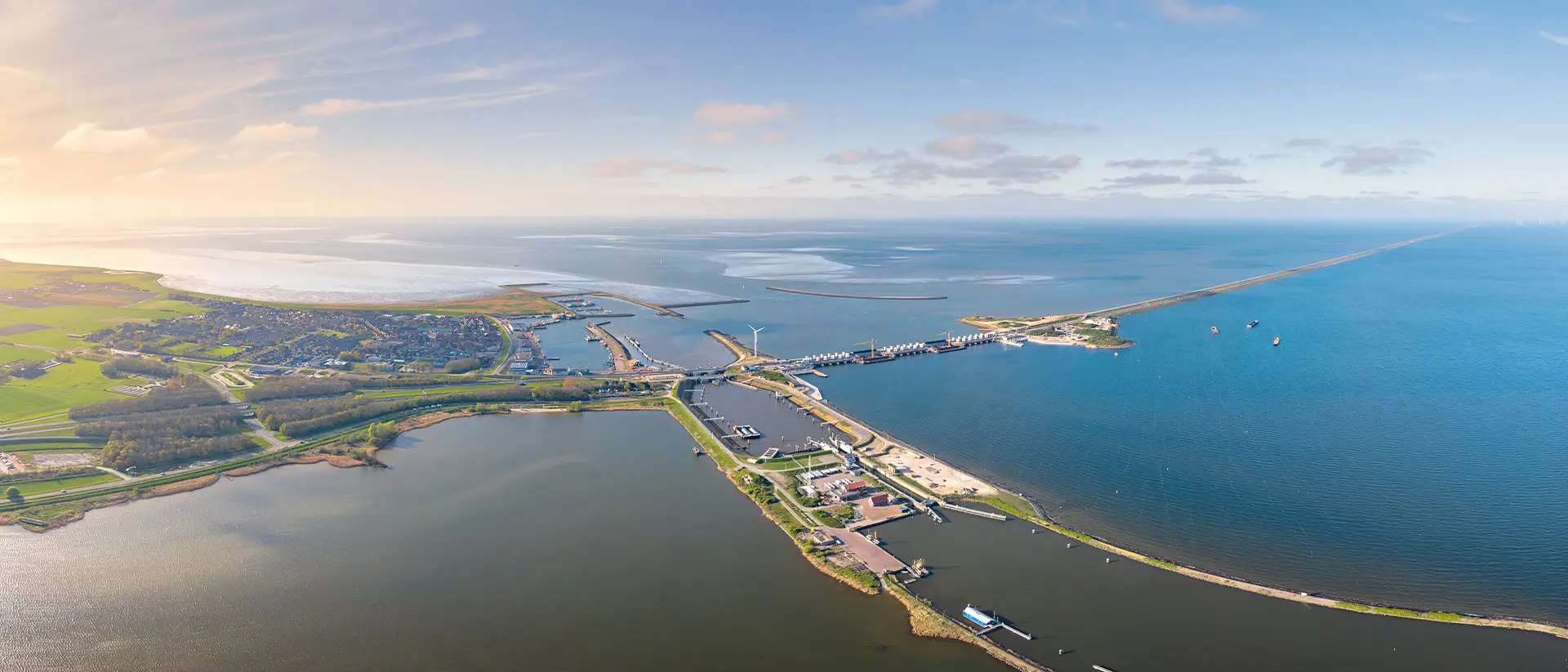
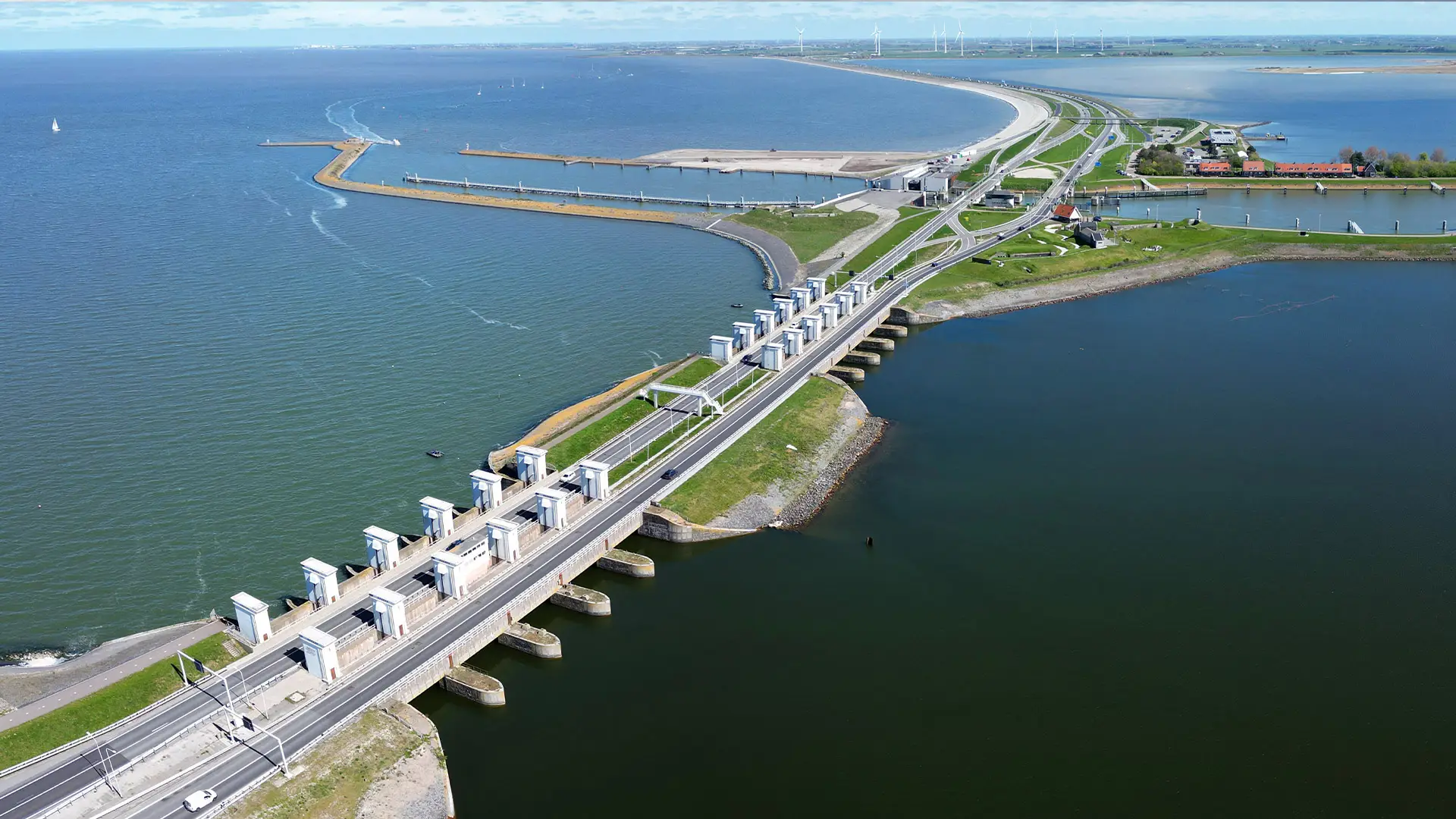
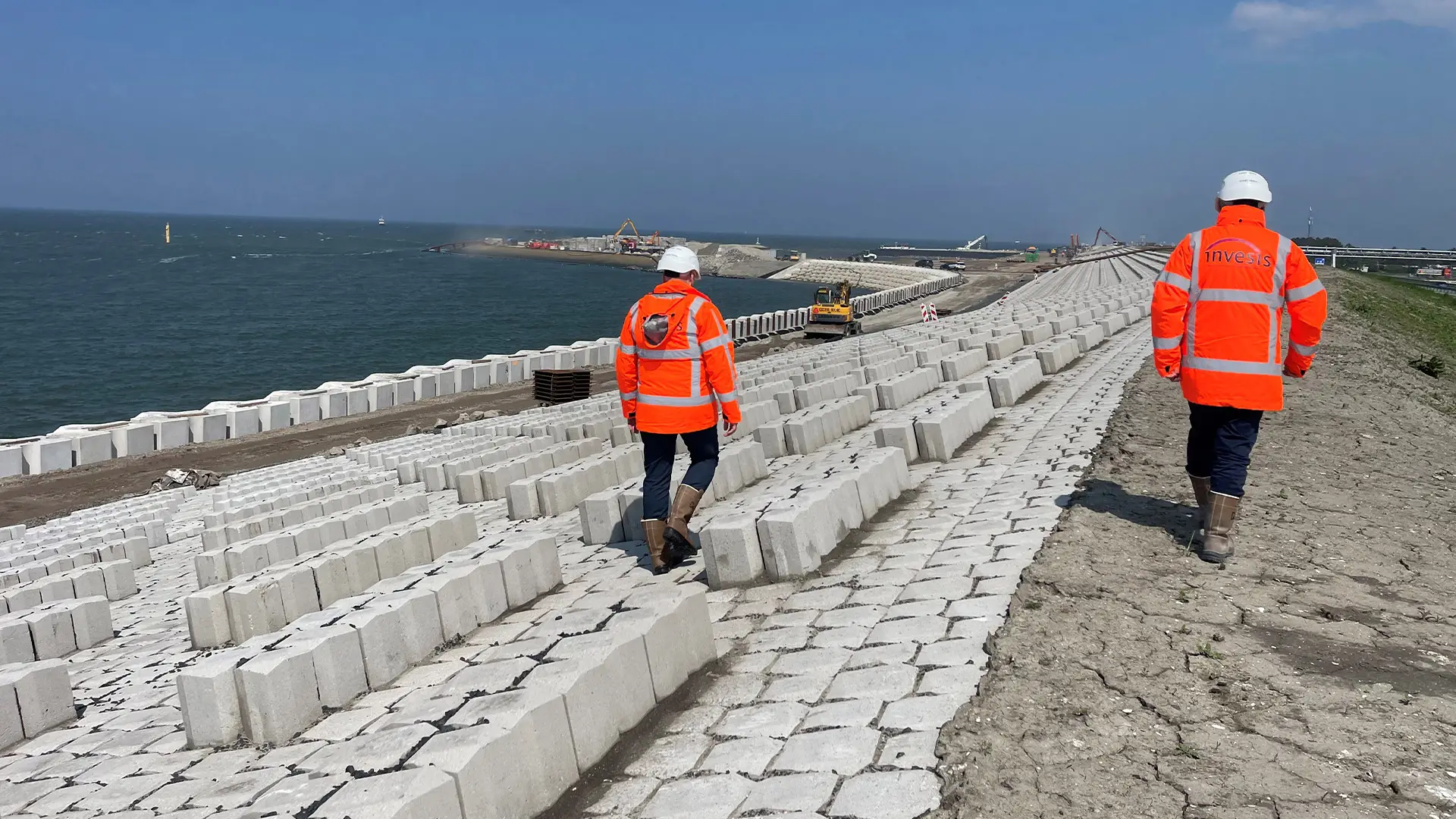
The Afsluitdijk has shielded the Netherlands from the Wadden Sea since 1932. After 85 years in service, this iconic 32km dam needed a major upgrade to meet modern flood protection standards. As part of the Levvel consortium, Invesis is helping transform it into a climate-resilient structure that will protect 2.9 million people across North Holland and Friesland for decades to come.
Financial Close
May 2018
Construction Period
2018 - 2026
Concession Period
25 years
Handback
2047
Client
Rijkswaterstaat
Location
The Netherlands
Sponsor/Investor
Invesis, Van Oord Aberdeen Infrastructure Partners, Rebel
Consortium
Levvel
Engineering Procurement and Construction
BAM Infra BV and Van Oord Nederland BV
Operations and Maintenance
BAM Infra BV and Van Oord Nederland BV
Capital Value
€764m
Building a long-term partnership to upgrade the Netherlands' most vital flood defence
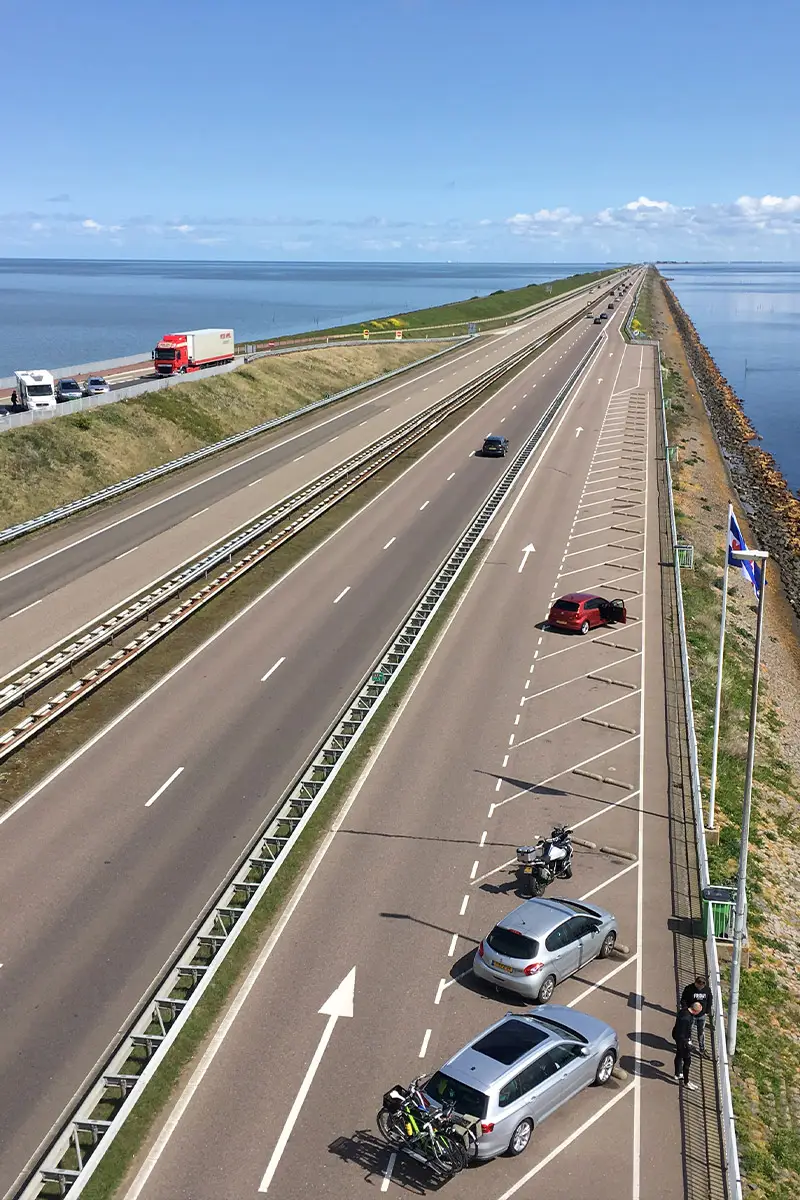
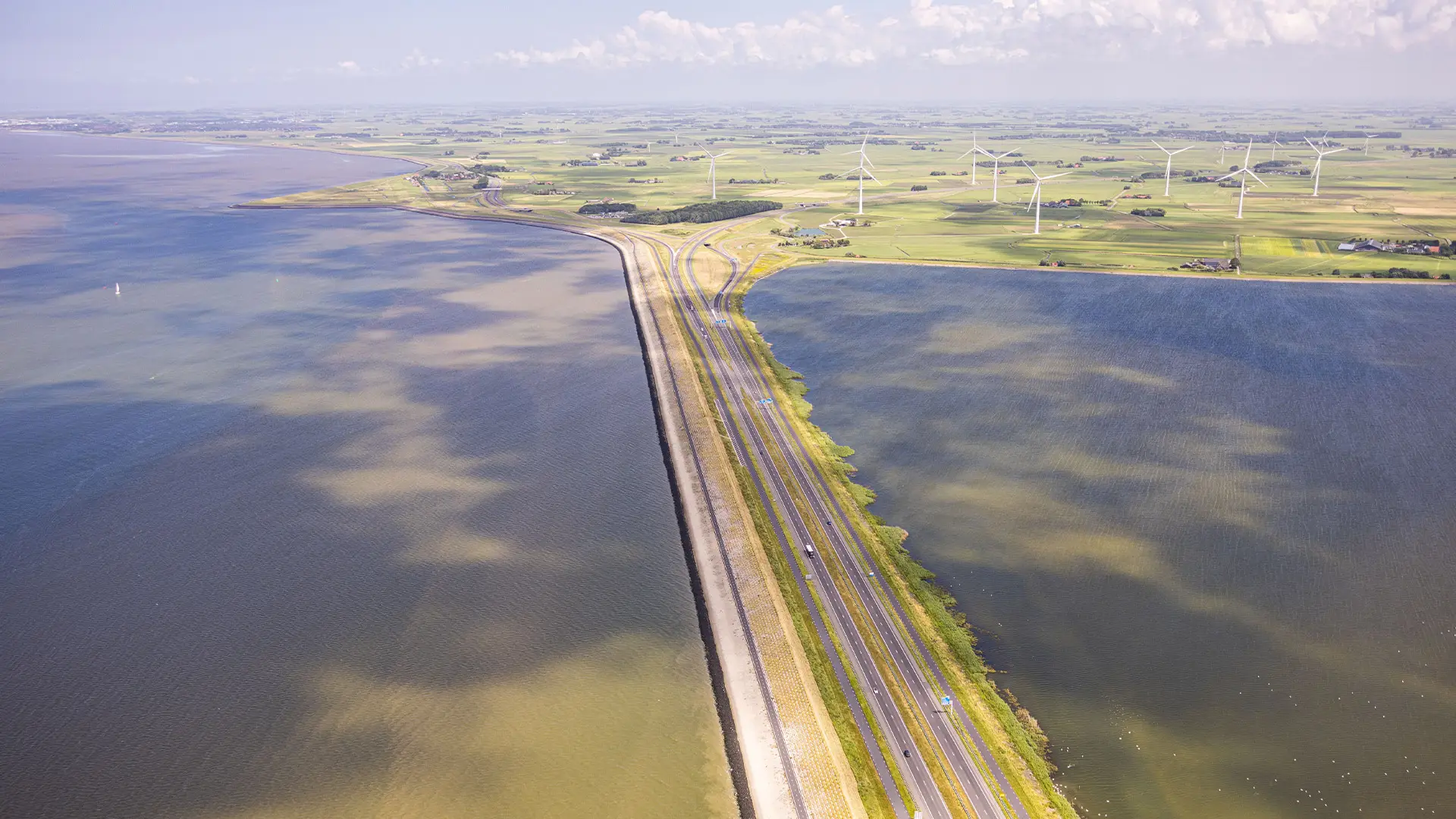
Built between 1927 and 1932, the Afsluitdijk is one of the Netherlands' most iconic structures, protecting vast areas of North Holland and Friesland from the Wadden Sea. After more than 85 years in service, the 32km dam no longer met modern standards for flood protection and water discharge - a major reconstruction was essential to build resilience against rising sea levels and increasingly severe storms.
In 2018, Rijkswaterstaat awarded the project to the Levvel consortium under a 25-year Public-Private Partnership. Levvel comprises Invesis (46%), Van Oord Aberdeen Infrastructure Partners (46%) and EPICO (8%). As lead SPV manager - a role Invesis holds with 90% responsibility - Invesis oversees the full project lifecycle from design and construction through to long-term maintenance and handback in 2047. Levvel was selected through a Most Economically Advantageous Tender process, recognised for the quality, sustainability and innovation of its proposed solution.
Leading SPV management on this landmark 25-year partnership, bringing deep expertise and long-term commitment to the Netherlands' most vital flood defence.
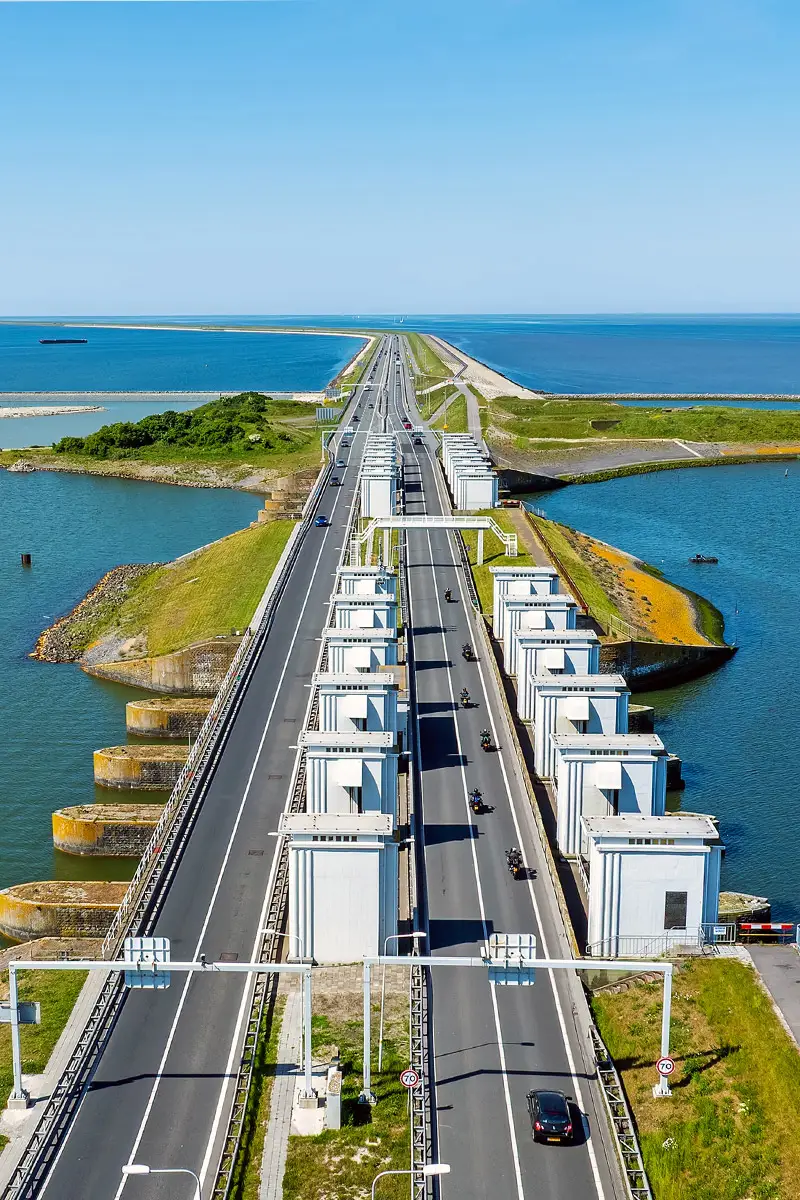
The world's largest pumping station within a flood defence, capable of discharging 275m3 per second to protect millions when it matters most.
Innovation
Engineering world-first solutions to protect the Netherlands from extreme weather
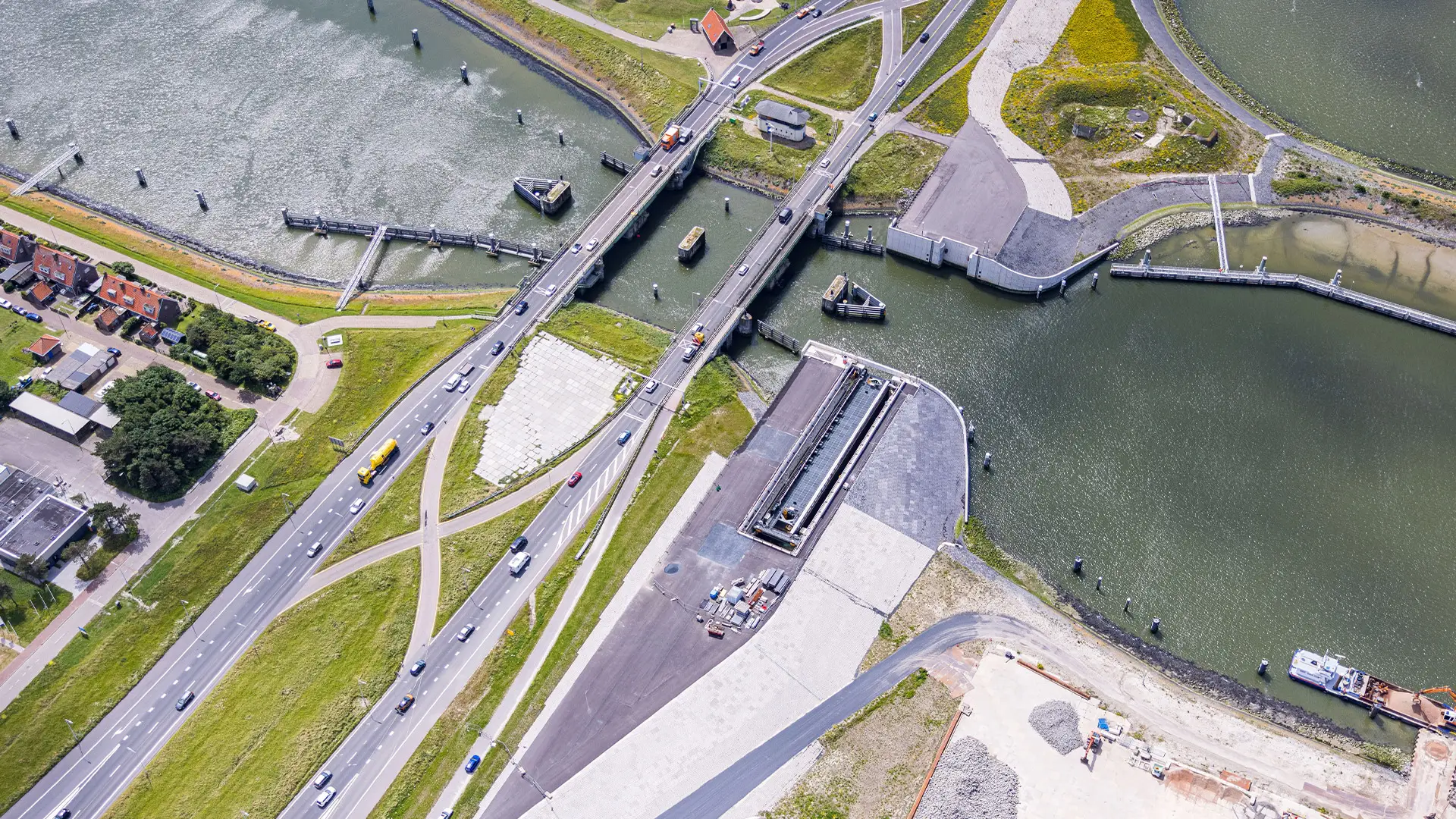
The Levvel consortium has introduced a series of innovations that set the Afsluitdijk apart. At Den Oever, six newly installed pumps form the world's largest pumping station within a flood defence, capable of discharging 275 cubic metres of water per second to manage the IJsselmeer when storm surges and heavy rainfall push water levels to critical thresholds.
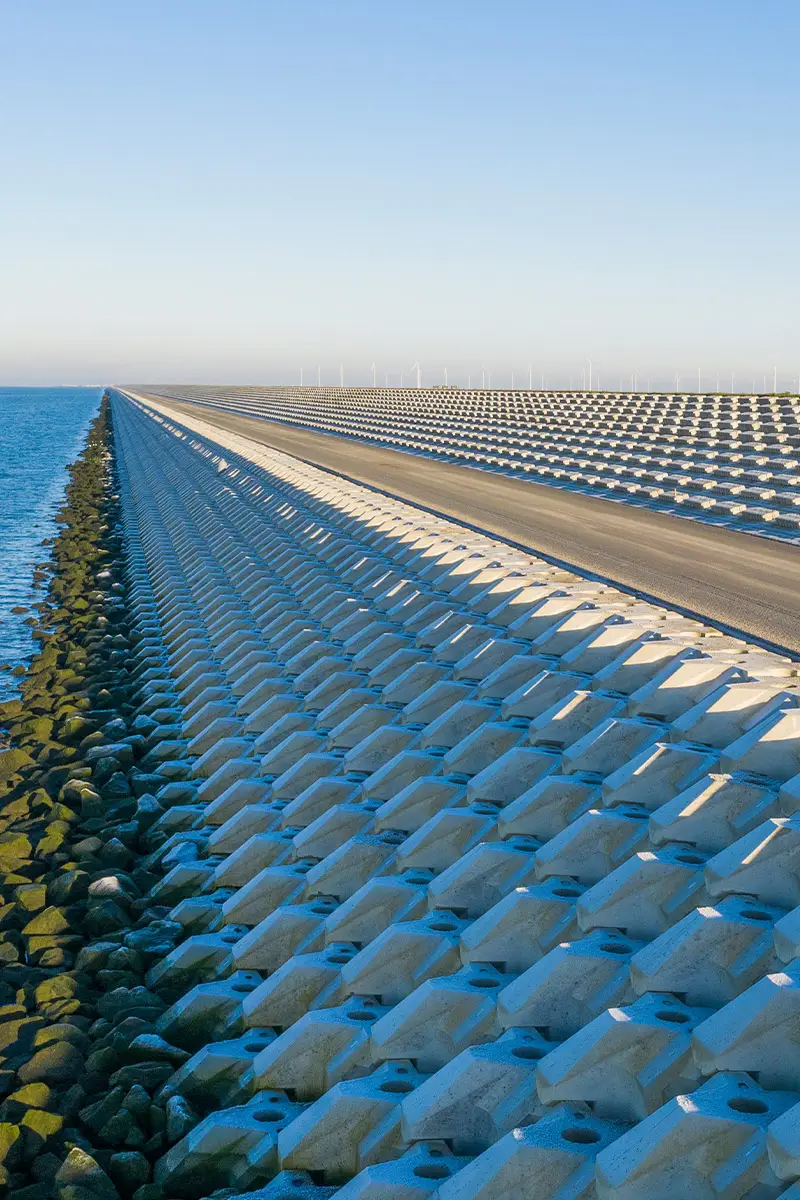
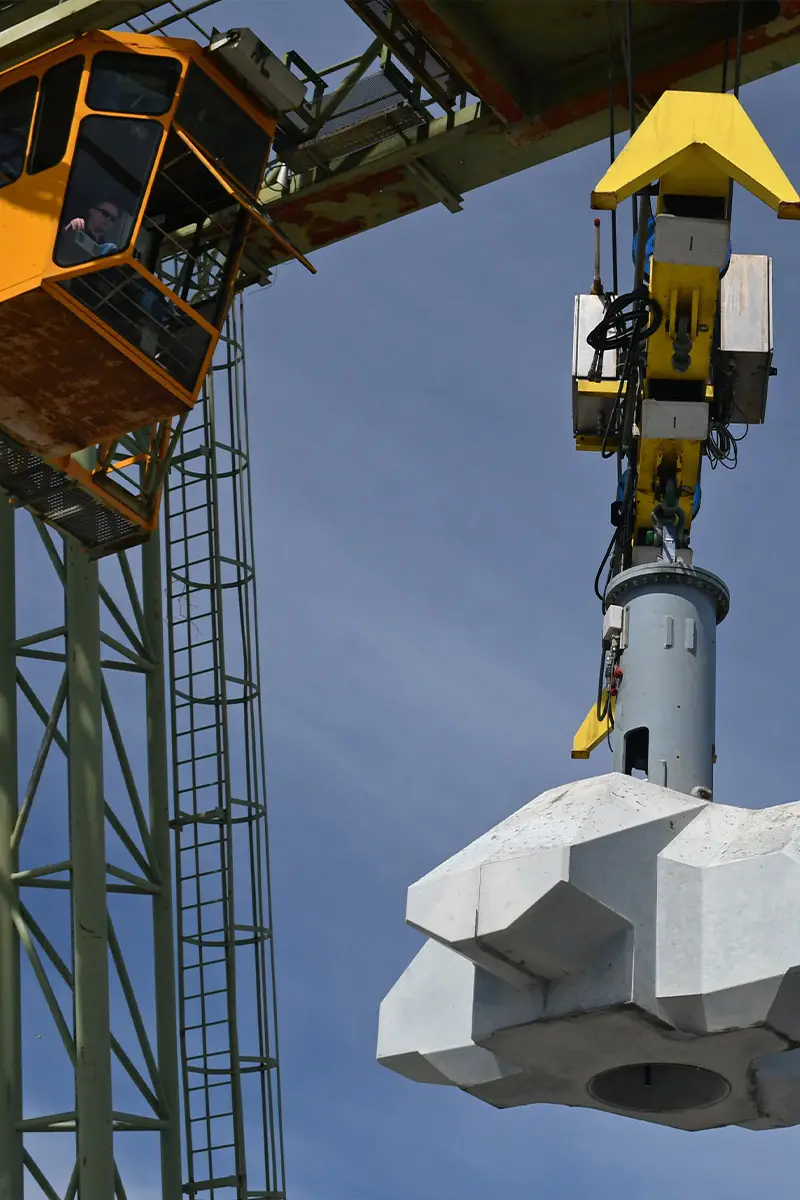
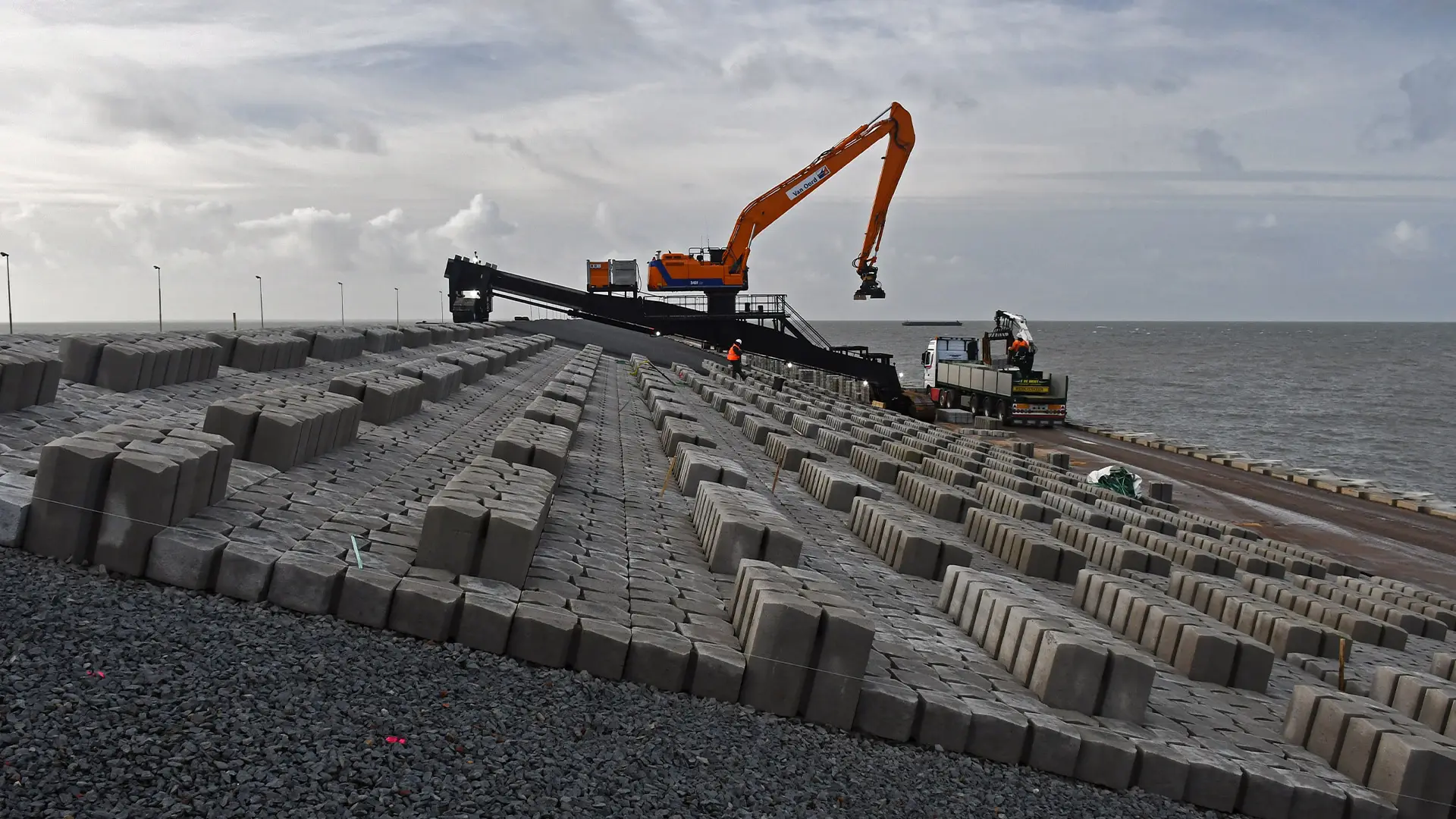
The 75,000 Levvel Blocs reinforcing the dike are a patented innovation developed specifically for this project, incorporating recycled basalt to reduce concrete use and CO2 emissions. A specially designed narrow guiderail - used on a Dutch infrastructure project for the first time - allowed the A7 motorway's emergency lanes to be widened without requiring a broader road profile, an important solution given the constrained width of the dike.
Sustainability
Delivering climate resilience, clean energy and ecological renewal for future generations
A 2.7-hectare solar park at Den Oever generates 5,500 MWh per year, offsetting the energy consumed by the new pumping stations and keeping the Afsluitdijk's energy balance as close to neutral as possible.
A fish migration river, completed in 2024, restores ecological connectivity between the Wadden Sea and IJsselmeer, allowing fish to reach natural spawning grounds for the first time in decades.
The project's social return programme has delivered over 5 million euros in community investment, providing employment and training for more than 100 workers, many of whom faced significant barriers to employment - part of a project that protects 2.9 million people across the region.
At peak construction, around 700 people were working on the project, supporting businesses and communities across North Holland and Friesland.
A solar park, a fish migration river and a 5 million euro social return programme - delivering lasting benefits for communities and ecosystems alike.