

Rijkswaterstaat
IJmuiden, The Netherlands
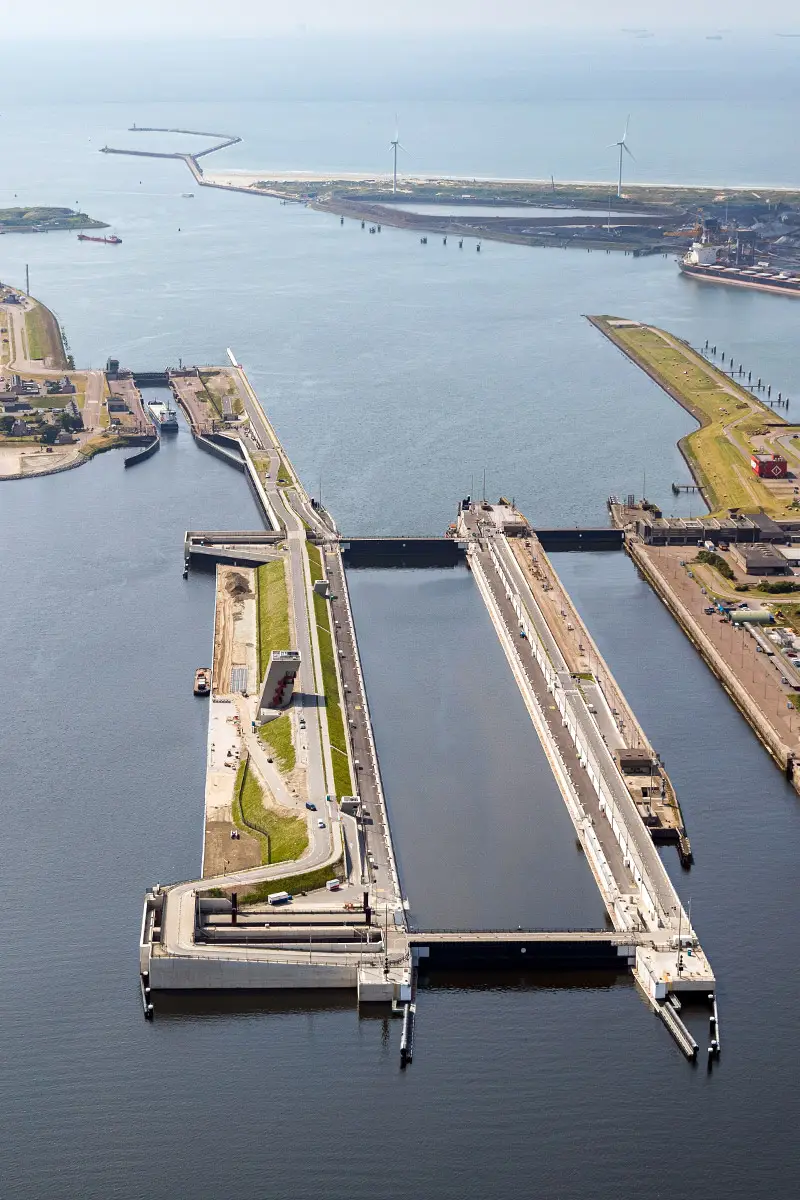
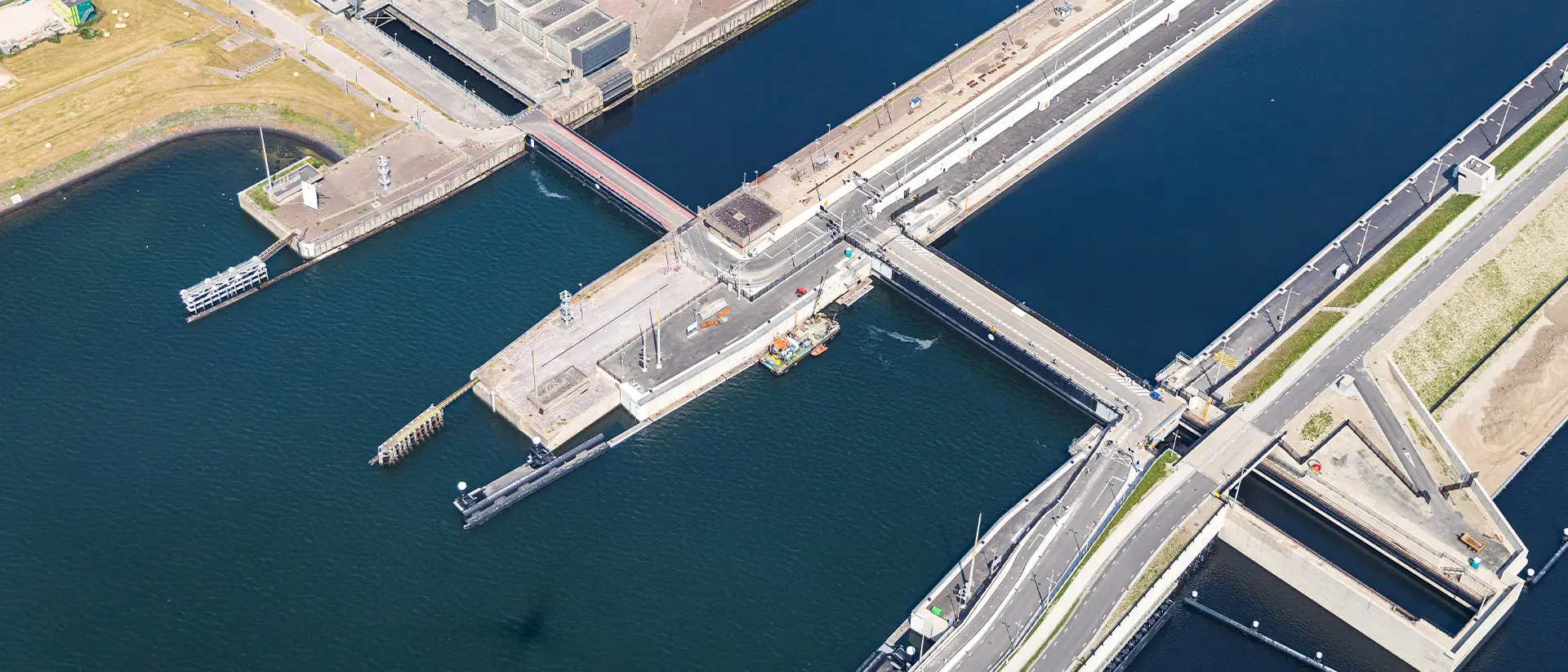
After almost 100 years in service, the IJmuiden Noordersluis needed replacing with a larger structure for modern shipping demands. The new OpenIJ sea lock - 500 metres long, 70 metres wide and 18 metres deep - is the largest sea lock in the world, securing maritime access for Amsterdam's port and protecting the wider Randstad from flooding for the next 100 years.
October 2015
5 years
26 years
2047
Rijkswaterstaat
IJmuiden, The Netherlands
Invesis and VolkerInfra PPP
OpenIJ
BAM Infra and Van Hattum en Blankevoort
BAM Infra and VolkerWessels Infra EPC
€457m
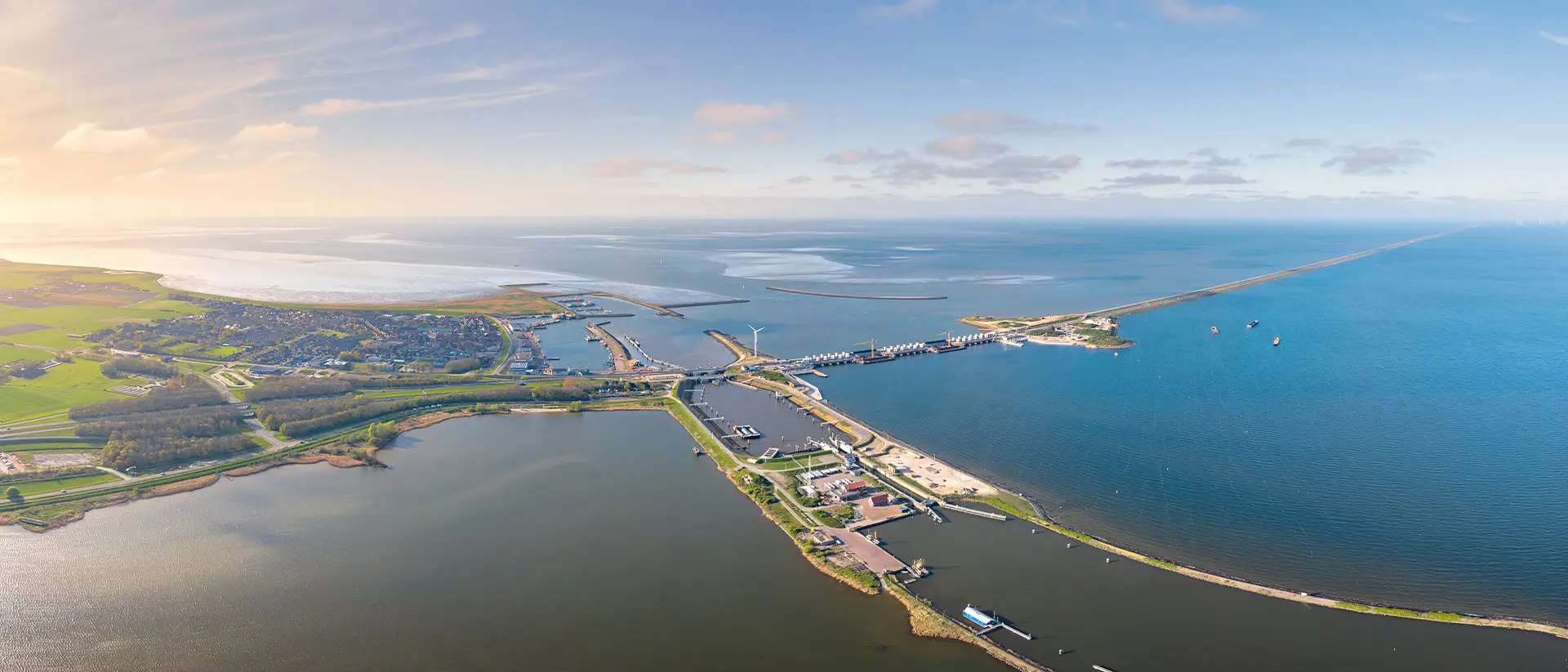
The Noordersluis at IJmuiden had served as the gateway between the North Sea and the Port of Amsterdam since 1929. By the early 2010s, it was approaching the end of its technical and economic life - and was no longer large enough to accommodate the growing scale of modern shipping. A new, significantly larger lock was urgently needed to protect the accessibility of Amsterdam's port and the broader North Sea Canal Area.
In 2015, Rijkswaterstaat awarded the DBFM contract to the OpenIJ consortium - comprising Invesis (50%) and VolkerInfra PPP (50%) - with construction delivered by a joint venture of BAM Infra and Van Hattum en Blankevoort. OpenIJ was selected on the basis of the Most Economically Advantageous Tender, achieving the maximum possible score on the DuboCalc sustainability component.
Construction commenced in January 2016 and the Availability Date was reached in August 2021, with the lock formally opened in January 2022. OpenIJ will maintain the lock until handback in 2047.
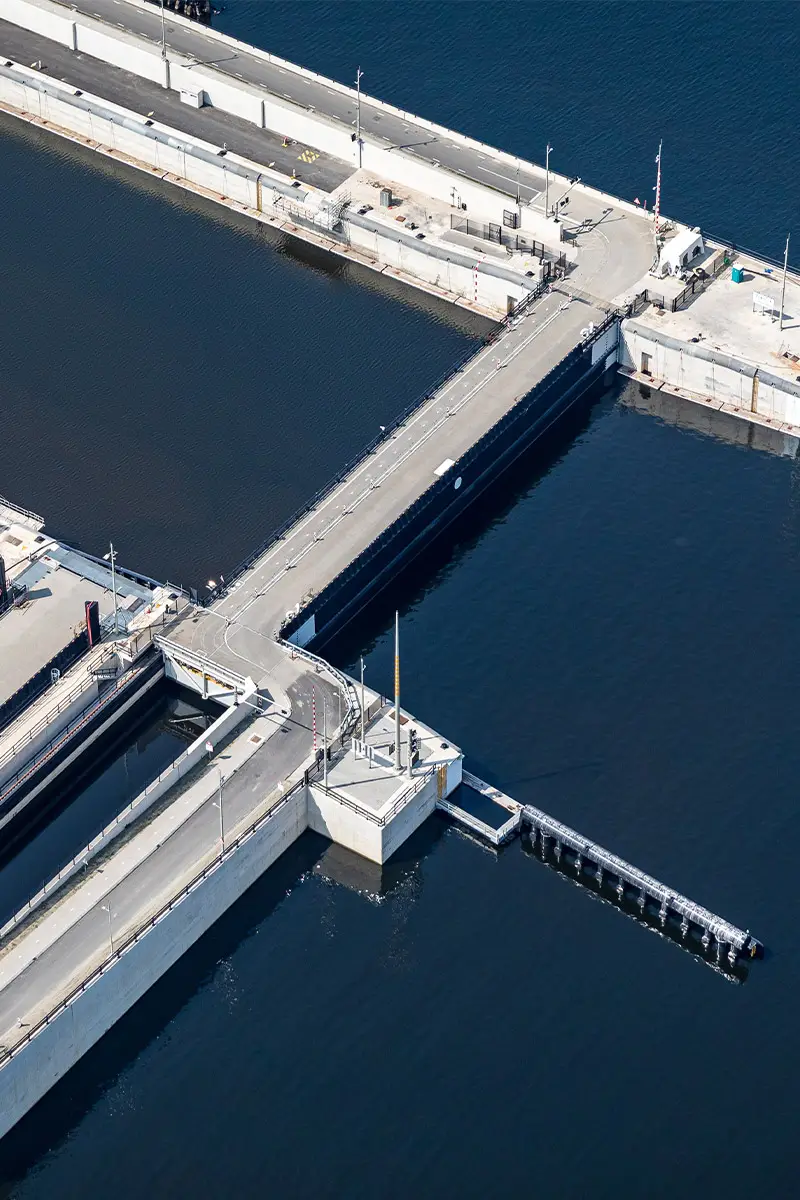
The OpenIJ sea lock is a feat of engineering innovation. At 500 metres long, 70 metres wide and 18 metres deep, it is the largest sea lock in the world - built to withstand water levels up to 8.85 metres above NAP, providing primary flood defence for the Randstad for the next 100 years.
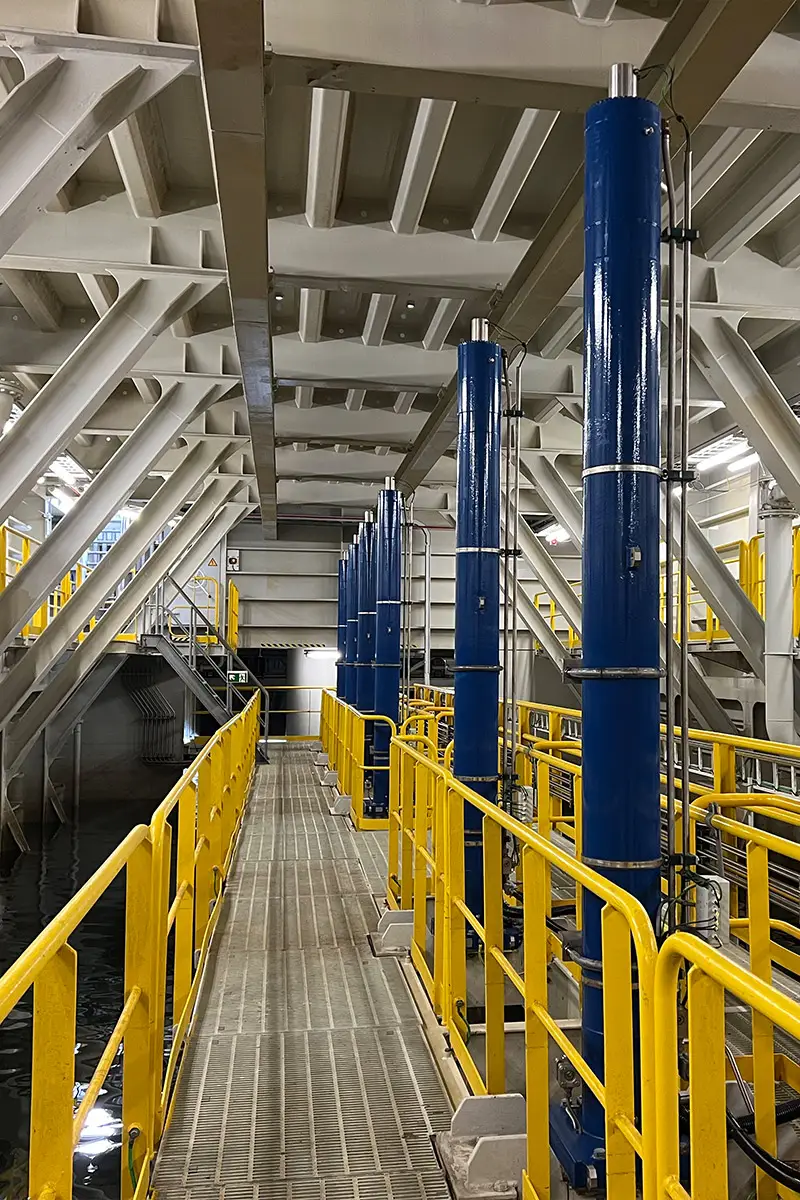
Both lock gates are flood-proof, going beyond the original Rijkswaterstaat specification. The caisson structures used for the lock heads are the size of a football field and 20 metres high, each sunk into the ground within three months. A fish passage through the middle wall enables year-round fish migration between salt and fresh water. Throughout construction, low-vibration methods protected the surrounding environment and shipping traffic on the North Sea Canal was maintained throughout the build.