Giving a landmark Dutch government building a sustainable second life as a world-class workspace for 6,000 civil servants.
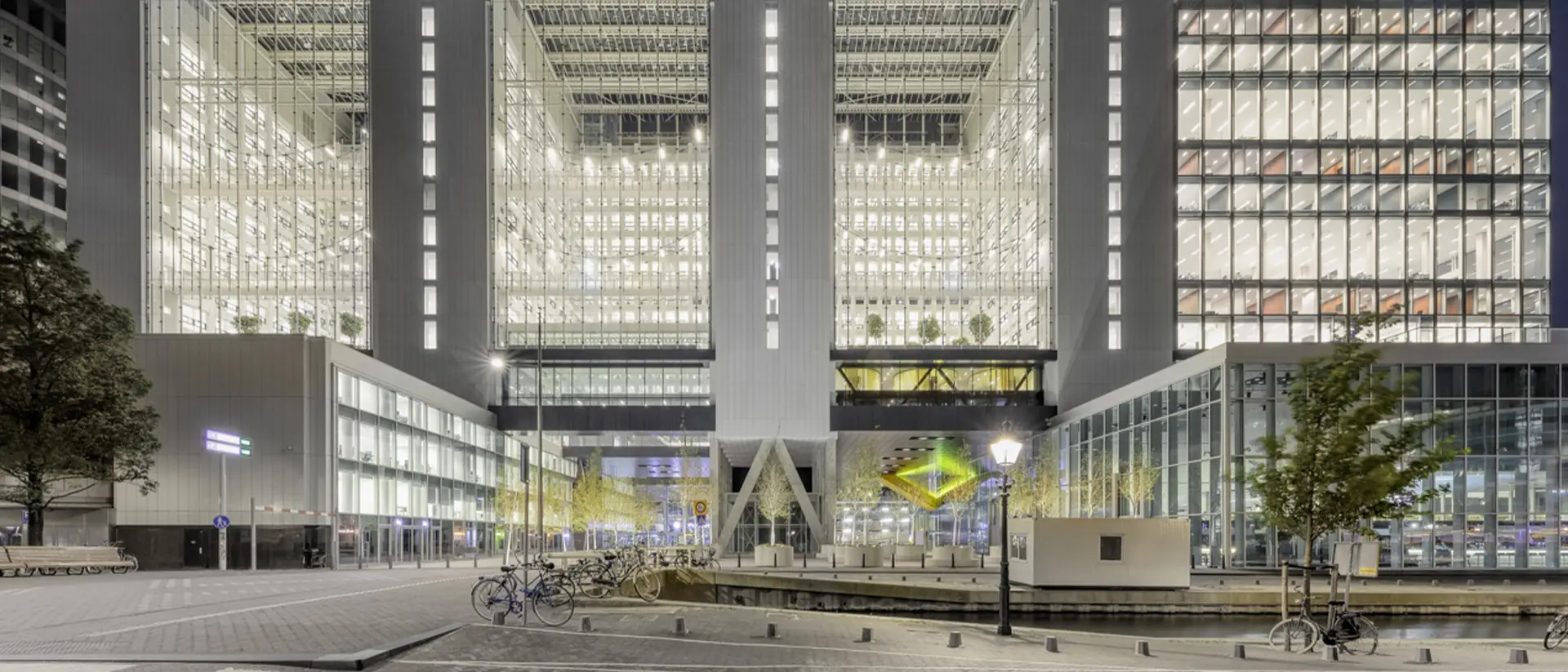
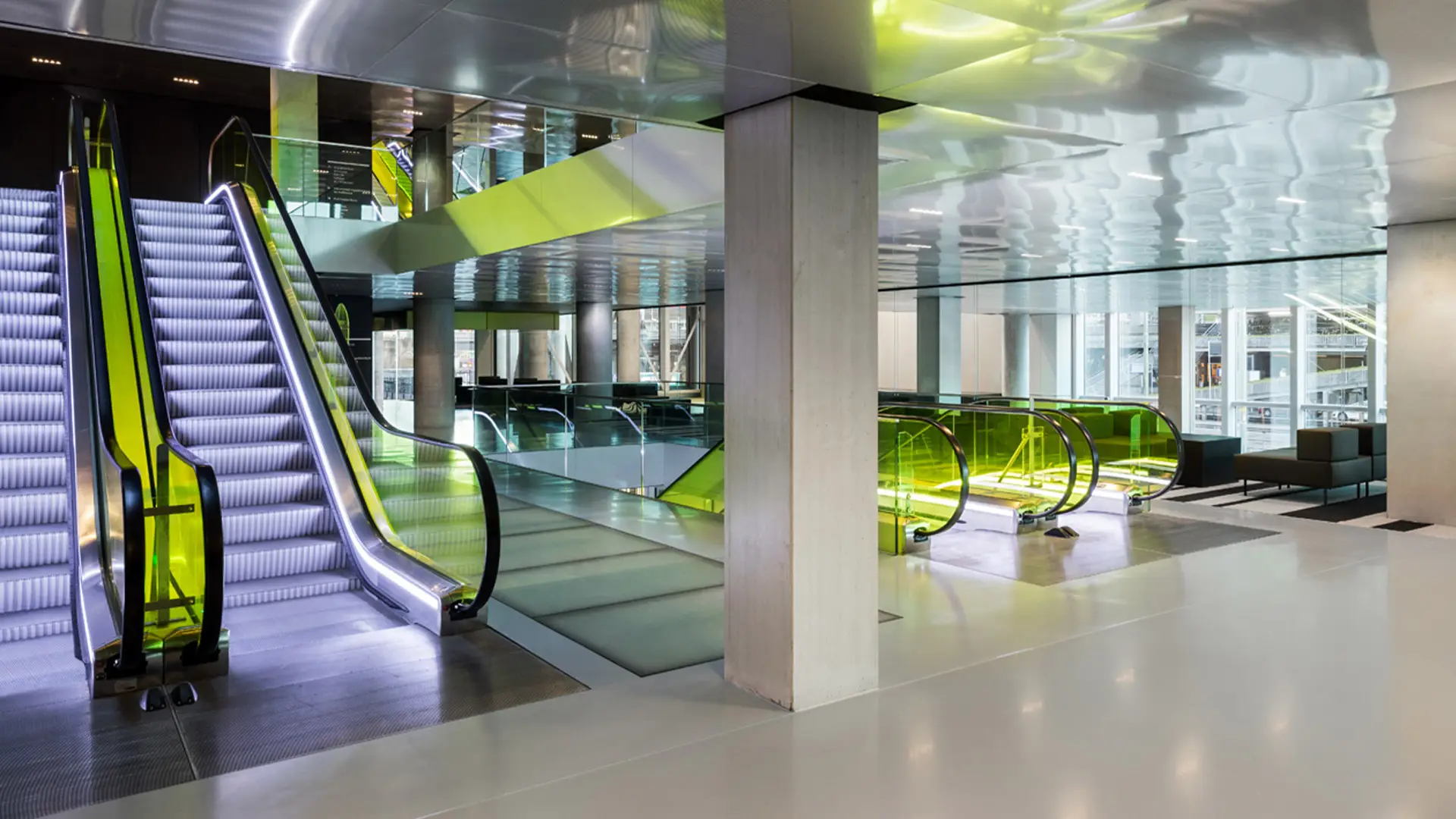
Rijnstraat 8 is one of The Hague's most prominent government buildings - home to three Dutch ministries and over 6,000 civil servants. Originally built in 1992, its facilities had become outdated and no longer met modern standards of flexibility or sustainability. Invesis led a comprehensive 25-year DBFMO partnership to transform it into an award-winning, energy-efficient workspace fit for 21st-century government.
Financial Close
July 2015
Construction Period
2015 - 2017
Concession Period
25 years
Handback
2042
Client
Rijksvastgoedbedrijf
Location
The Hague, The Netherlands
Consortium
PoortCentraal B.V.
Engineering Procurement and Construction
Bouwcombinatie Rijnstraat 8 V.O.F.
Operations and Maintenance
BAM Bouw en Techniek (BAM FM), Bouwcombinatie Rijnstraat 8 V.O.F.
Capital Value
€176m
Partnering with the Dutch Government to transform one of The Hague's most iconic buildings
Rijnstraat 8 was originally designed by architect Jan Hoogstad and completed in 1992. By the early 2010s, the building's small office spaces, outdated facilities and ageing infrastructure no longer met the demands of three key ministries - the Ministry of Interior and Kingdom Relations, the Ministry of Foreign Affairs, and the Ministry of Infrastructure and the Environment.
In 2015, the Central Government Real Estate Agency awarded the DBFMO contract to PoortCentraal, with Invesis as sole investor and SPV manager. Working closely with architects OMA, Ector Hoogstad Architecten and Wessel de Jonge Architecten, the consortium set out to honour Hoogstad's original design intent while transforming the building for the 21st century.
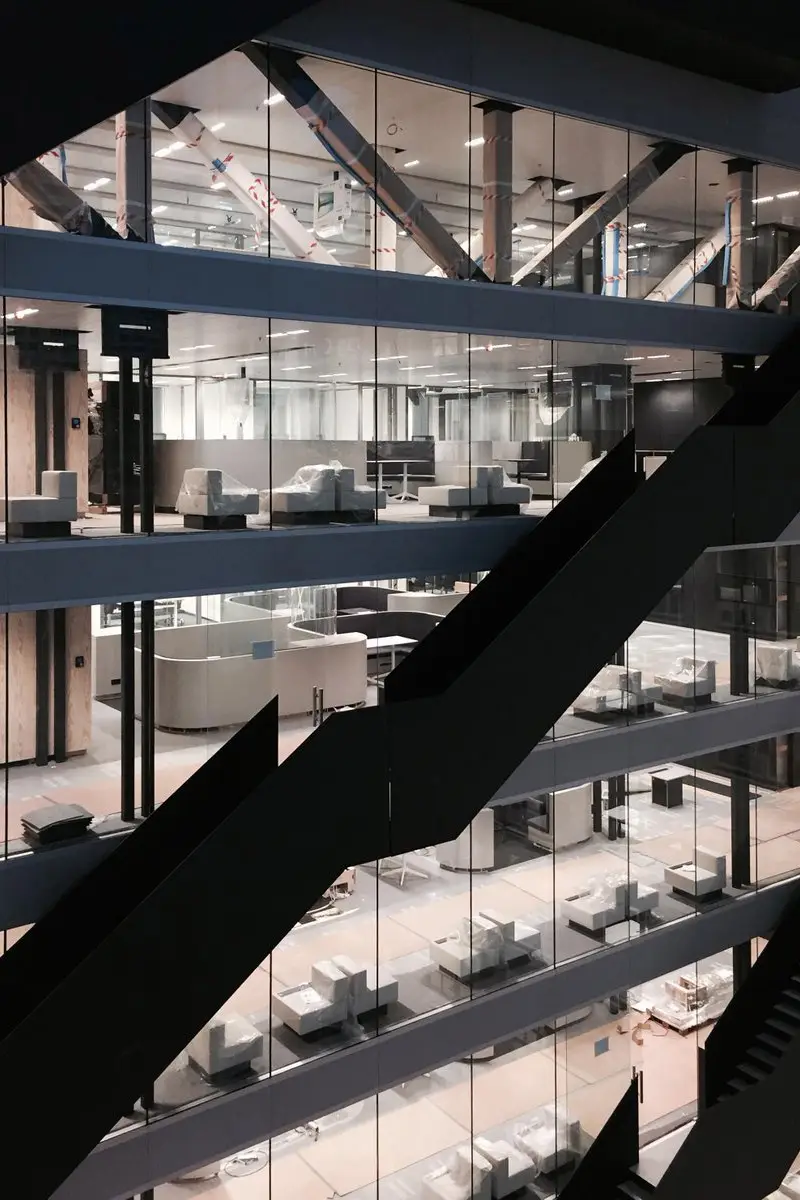
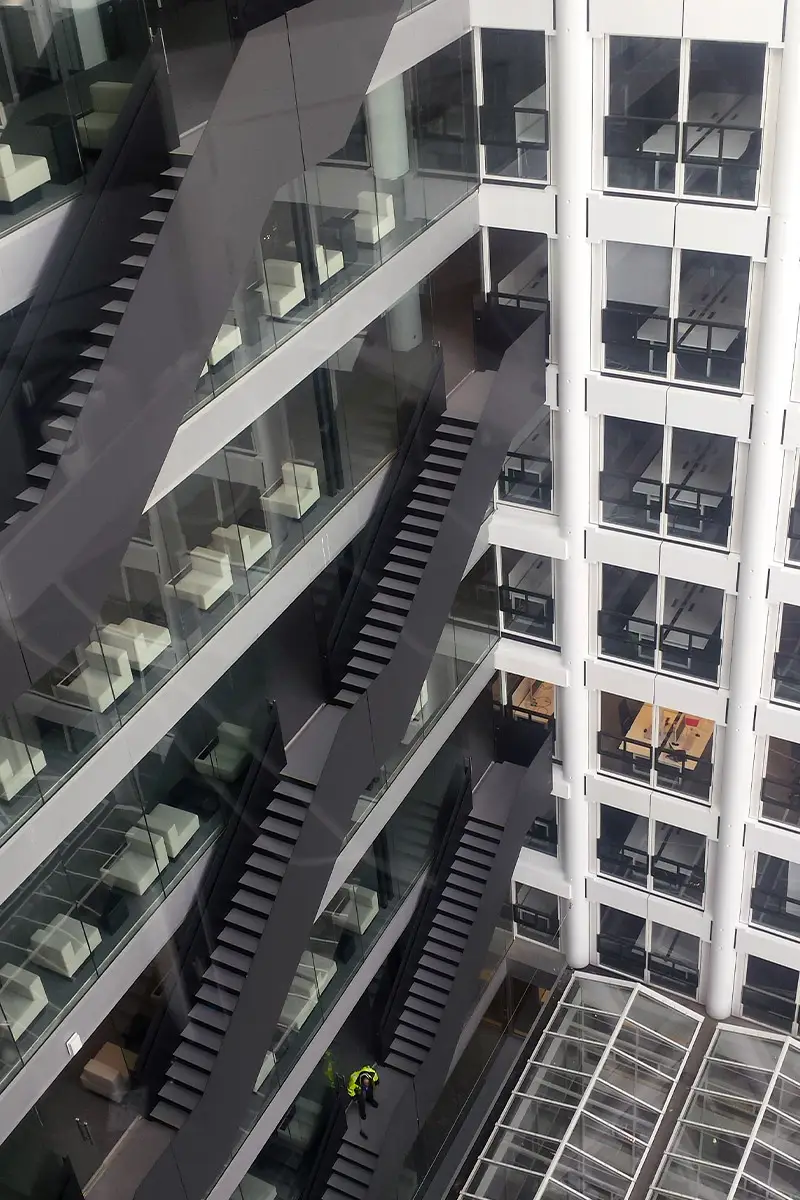
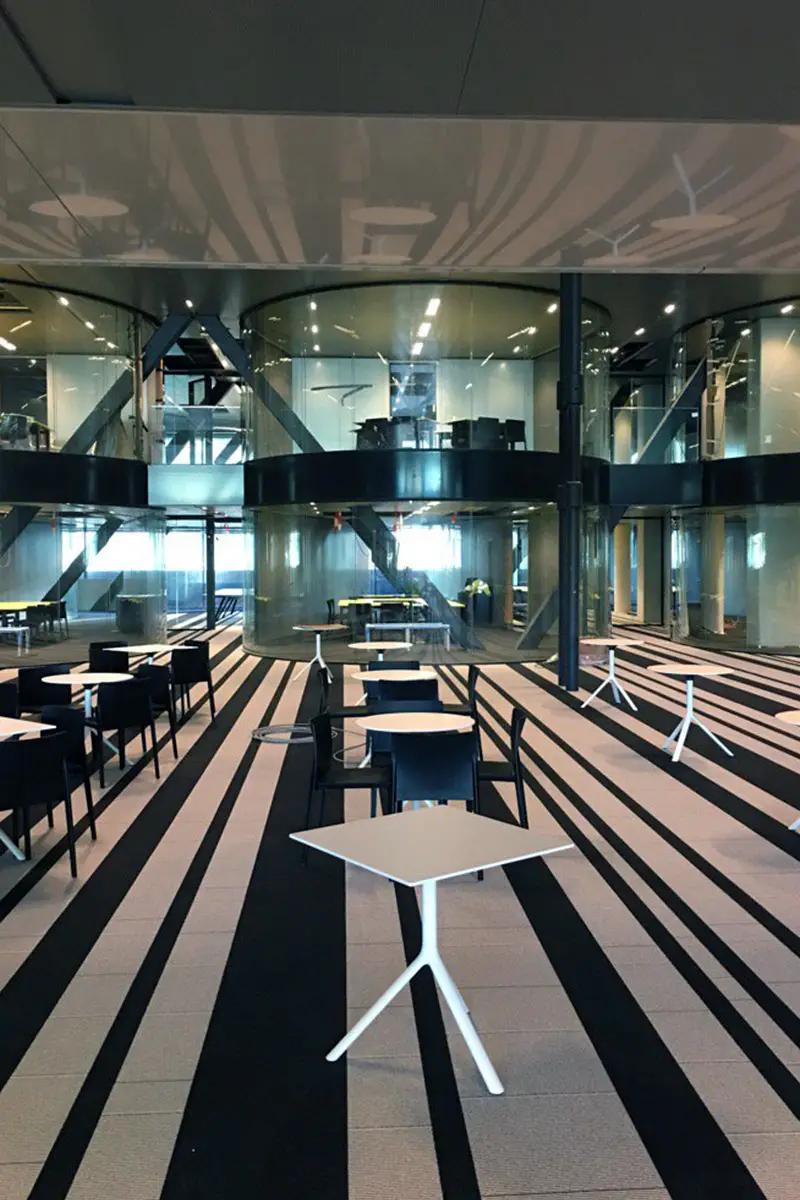
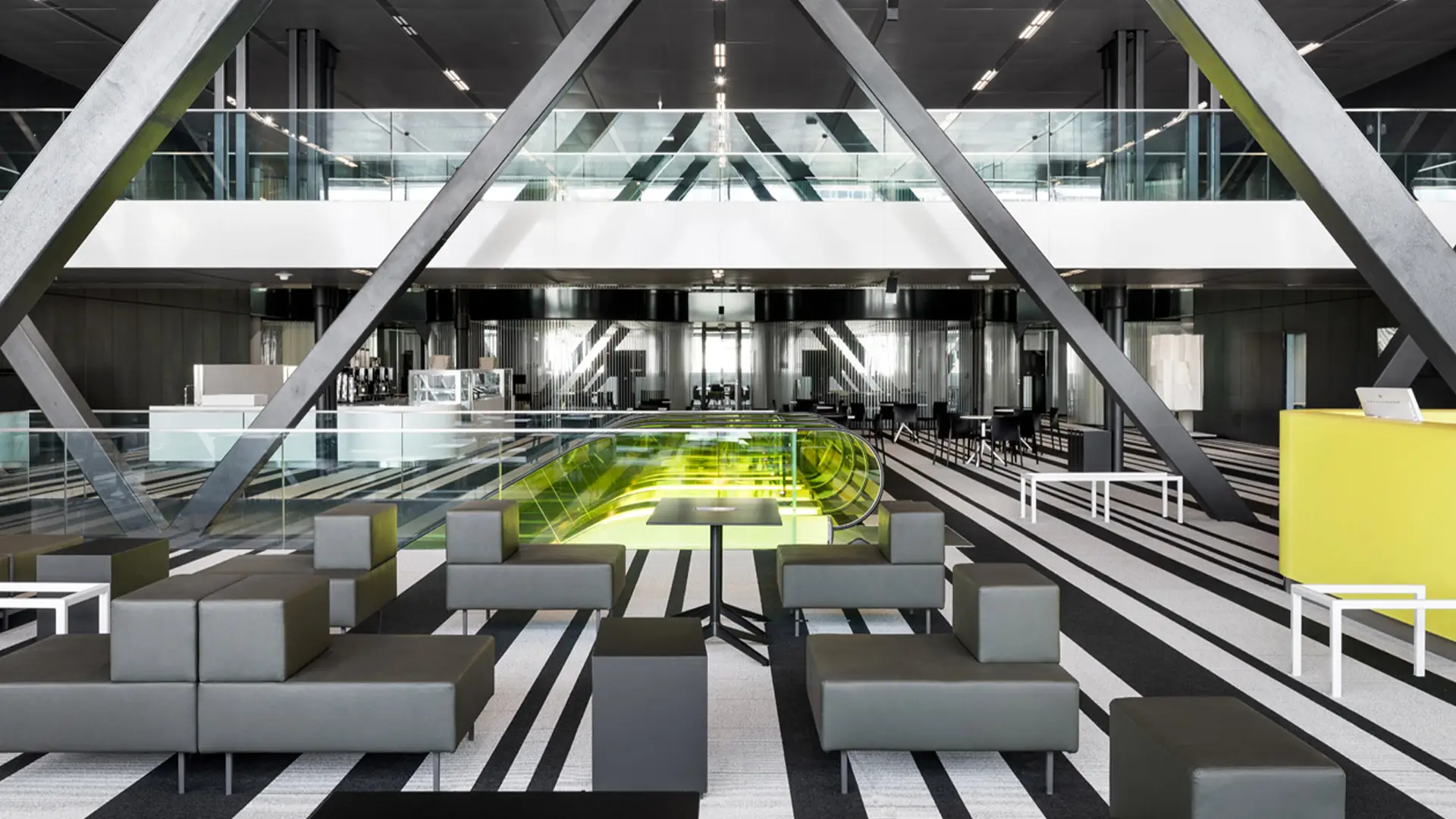
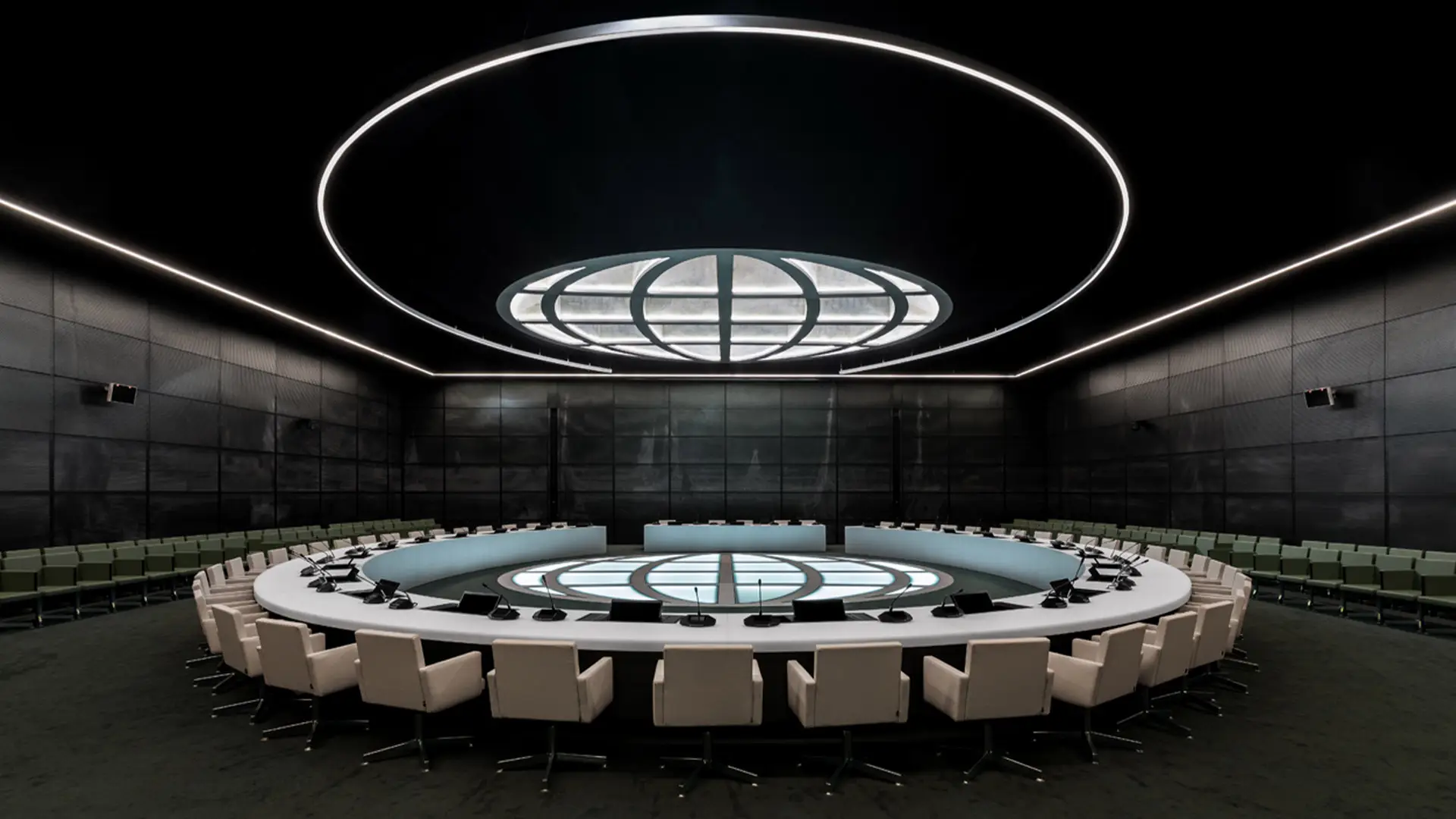
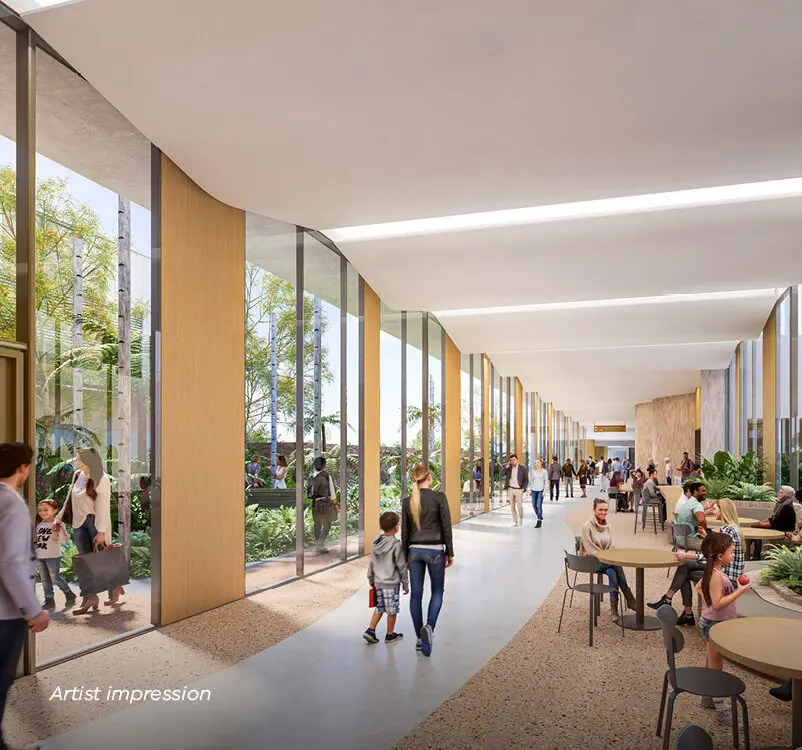
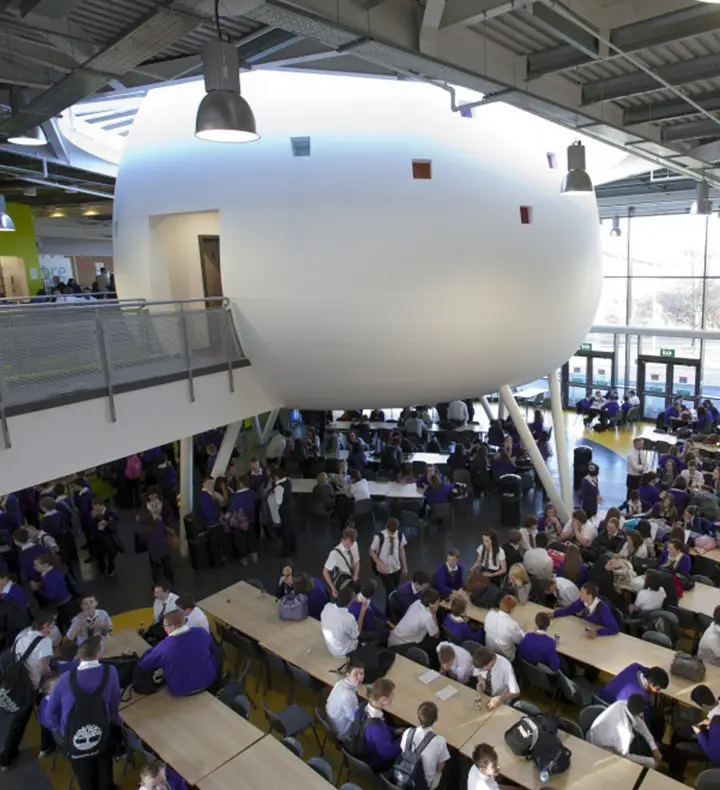
Construction completed in January 2017, delivering an 80,000m2 workspace with 4,400 flexible workplaces, meeting rooms, restaurants and specialist ministerial facilities - including secure areas designed to receive world leaders.
As sole investor and SPV manager, delivering a complete transformation while honouring the original vision of architect Jan Hoogstad.
99.7% of demolished material reused, an A++++ energy label and one of The Hague's first City Batteries - innovation at every stage.
Innovation
Integrating smart energy systems and circular design to create a world-class government campus in The Hague
Rijnstraat 8 set new standards for sustainable government buildings in the Netherlands. Only 20% of the original structure was demolished, with 99.7% of that material reused - a striking example of circular construction in practice. The renovation delivered an energy label of A++++, with an EPC score of 0.44.
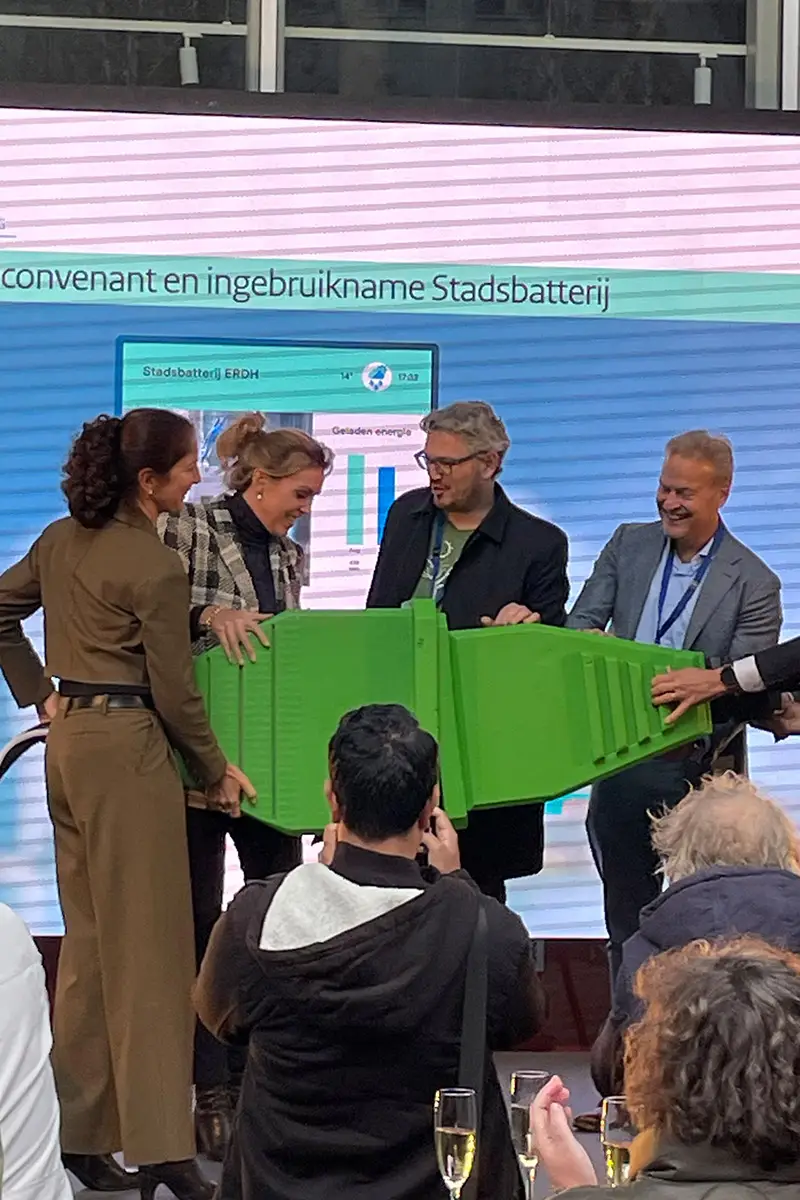
Triple glazing in the building's four atriums harvests solar warmth for heating, supported by a thermal energy storage network, 990 solar panels generating over 205,000 kWh per year, and smart LED lighting. In 2023, Invesis installed a City Battery in the building's underpass - one of the first of its kind in The Hague - to store local energy and help relieve the city's overloaded electricity grid.
Sustainability
Reducing energy, cutting waste and broadening opportunity for people across The Hague
An active energy reduction programme is targeting a WEii score of 90 kWh/m2 by 2030, with planned measures including expanded PV capacity, upgraded air handling units and optimised building management systems - projected to save up to 1,200,000 kWh and approximately 100,000 euros annually.
The building uses no gas, with district heating, solar panels and biogas from organic waste contributing to the energy mix.
Waste management initiatives include the CupXChange programme reducing single-use plastic, a Good to Go app cutting food waste, and active waste sorting across all facilities.
Social return far exceeds the contractual requirement - the contract requires 3% of worked hours from people with a distance to the labour market; in both 2023 and 2024, this figure reached over 25%.
A greening programme is under way to increase planting inside and outside the building, supporting biodiversity in an urban environment.
Social return hours reached over 25% of total hours worked in 2023 and 2024 - far exceeding the 3% contractual requirement.