Client
Homes Victoria
Location
Melbourne, Australia
Ground Lease Model 2 Housing
Australia faces an acute shortage of social and affordable housing, with tens of thousands of families on waiting lists across Victoria alone. Described by the Federal Housing Minister as a historic day in Australia, GLM2 is the largest single social and affordable housing investment ever made by an Australian government - and a pathfinder for the national drive to build 40,000 new homes.
Financial Close
November 2023
Construction Period
2023 - 2026
Concession Period
40 years
Handback
2066
Client
Homes Victoria
Location
Melbourne, Australia
Sponsor/Investor
Invesis, abrdn, Tetris Capital and Community Housing (Vic) Ltd
Consortium
Building Even Better Communities (Invesis, Tetris Capital, abrdn, Icon, Community Housing (Vic) Ltd., Women’s Property Initiatives and Aboriginal Community Housing (Vic) Ltd.)
Engineering Procurement and Construction
Icon
Operations and Maintenance
Tetris Capital and Community Housing (Vic) Ltd
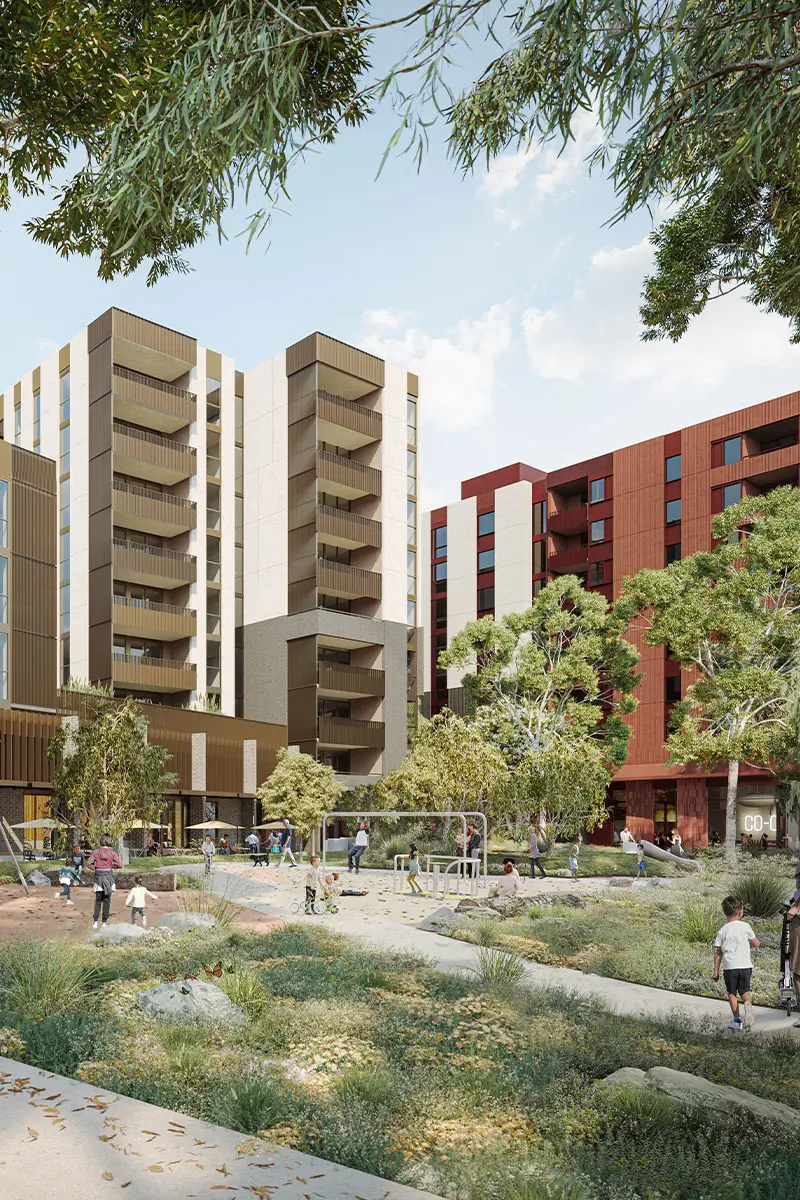
Supporting Homes Victoria to pioneer a new model for social and affordable housing investment in Australia
Australia's social housing sector has faced decades of underinvestment, leaving ageing estates in urgent need of replacement. Victoria's $5.3bn Big Housing Build programme set out to transform how social housing is planned, funded and delivered.
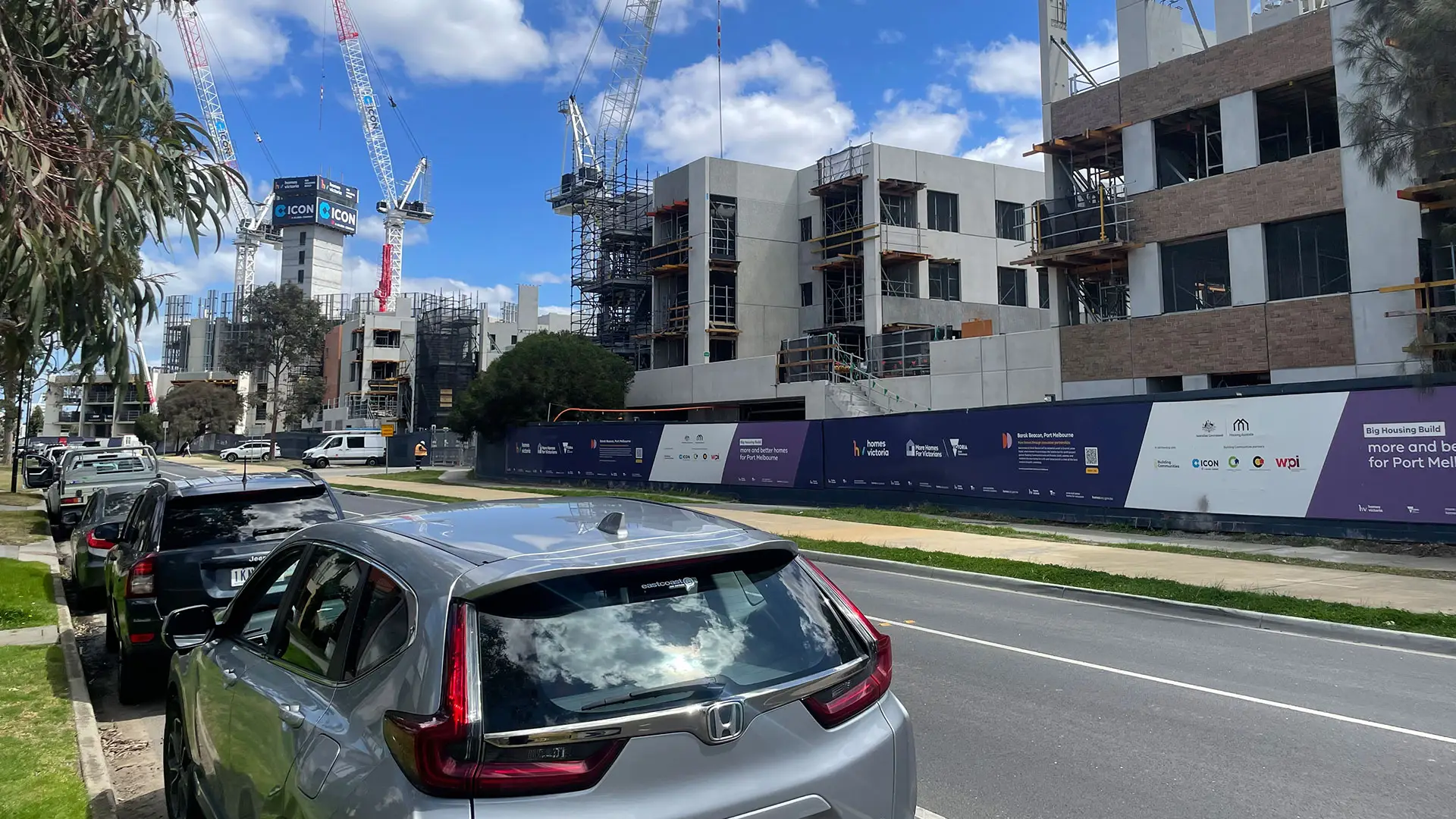
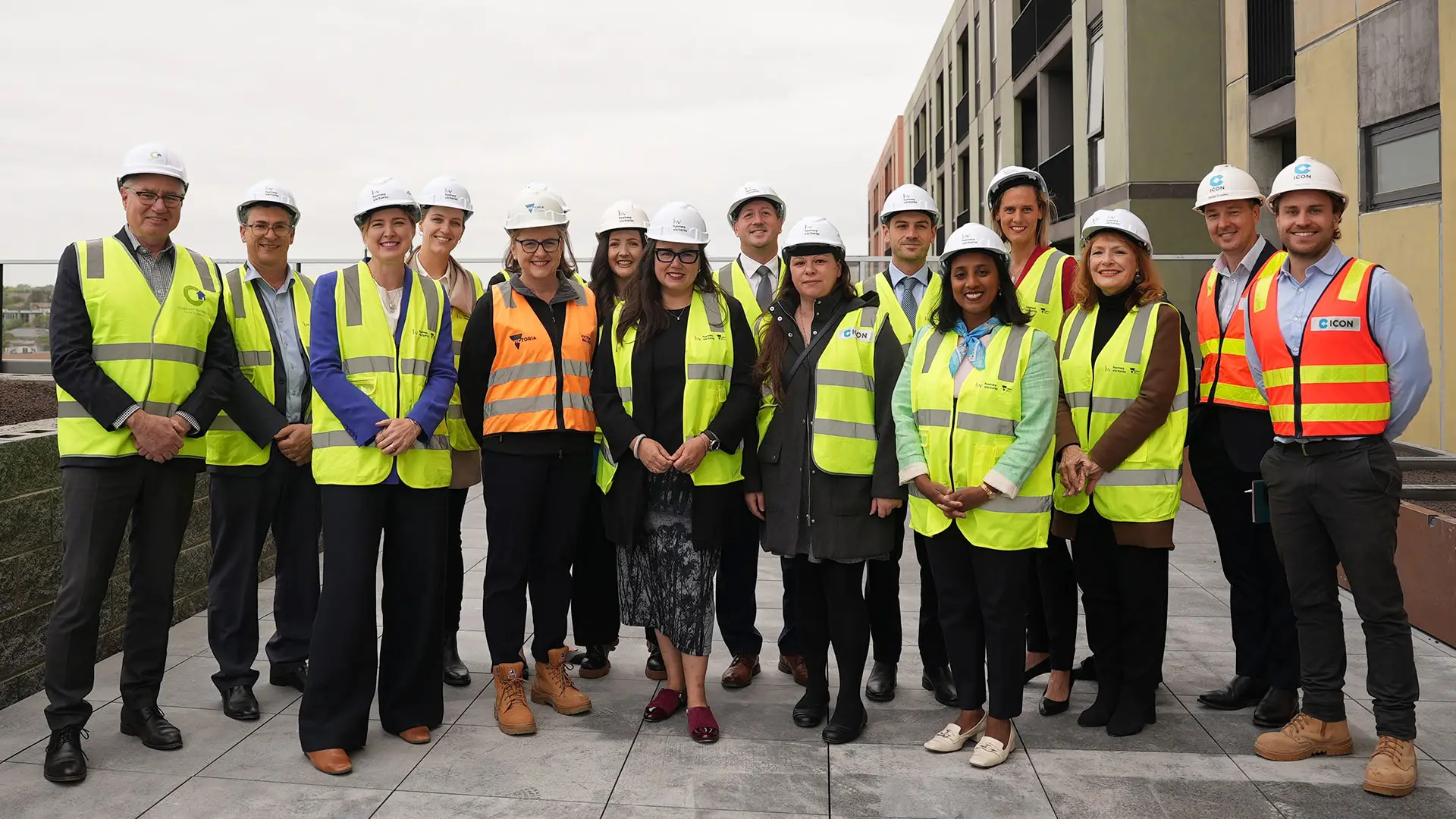
In 2023, Homes Victoria selected the Building Better Communities consortium under a 40-year DBFOM contract to replace housing at four Melbourne sites - Prahran, Port Melbourne, South Yarra and Hampton East. The consortium brings together Invesis, Abrdn, Community Housing (Victoria) Ltd and Tetris Capital, with Icon as construction contractor.
Invesis played a central role in structuring an innovative funding approach that for the first time brought commercial bank lenders alongside Housing Australia's federal funding and institutional equity - a breakthrough for Australia's social housing sector. For Housing Australia, this is their largest ever single investment. Construction is on track for completion in November 2026.
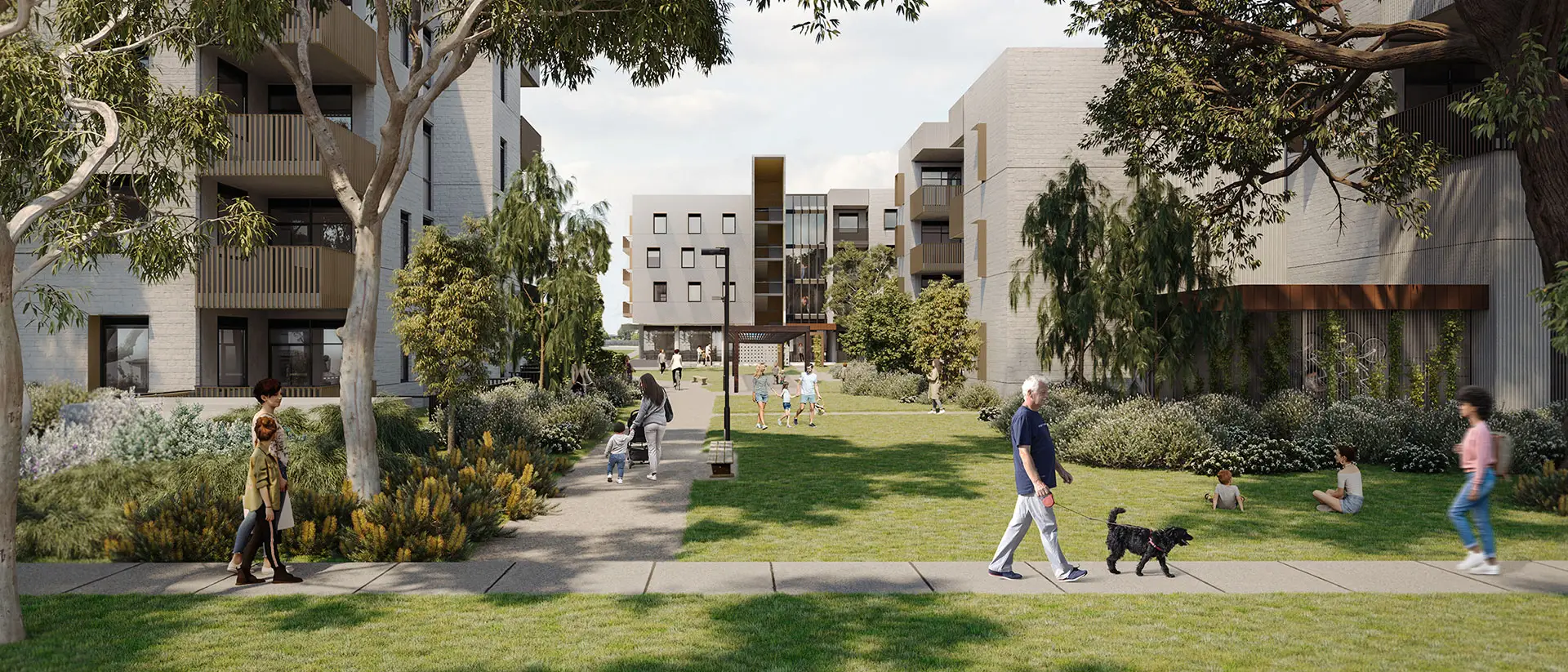
Pioneering a new funding model that brings institutional investment to Australia's social housing sector for the first time
GLM2 is more than a housing project - it is a model for how Australia can accelerate social housing delivery at scale. For the first time, a project of this type combines community housing providers, institutional investors and commercial bank lenders alongside federal government funding through Housing Australia.
Two specialist community housing providers give GLM2 its distinctive social purpose. Women's Property Initiatives will manage 200 homes for over 290 vulnerable women and children, with designs co-created for women-led households. Aboriginal Community Housing (Victoria) Ltd - the first Aboriginal housing provider to participate in a project of this significance in Australia - will manage 10% of social homes for Aboriginal Victorians. The project is structured as a sustainable loan, and the not-for-profit project company ensures returns are reinvested into future social housing.

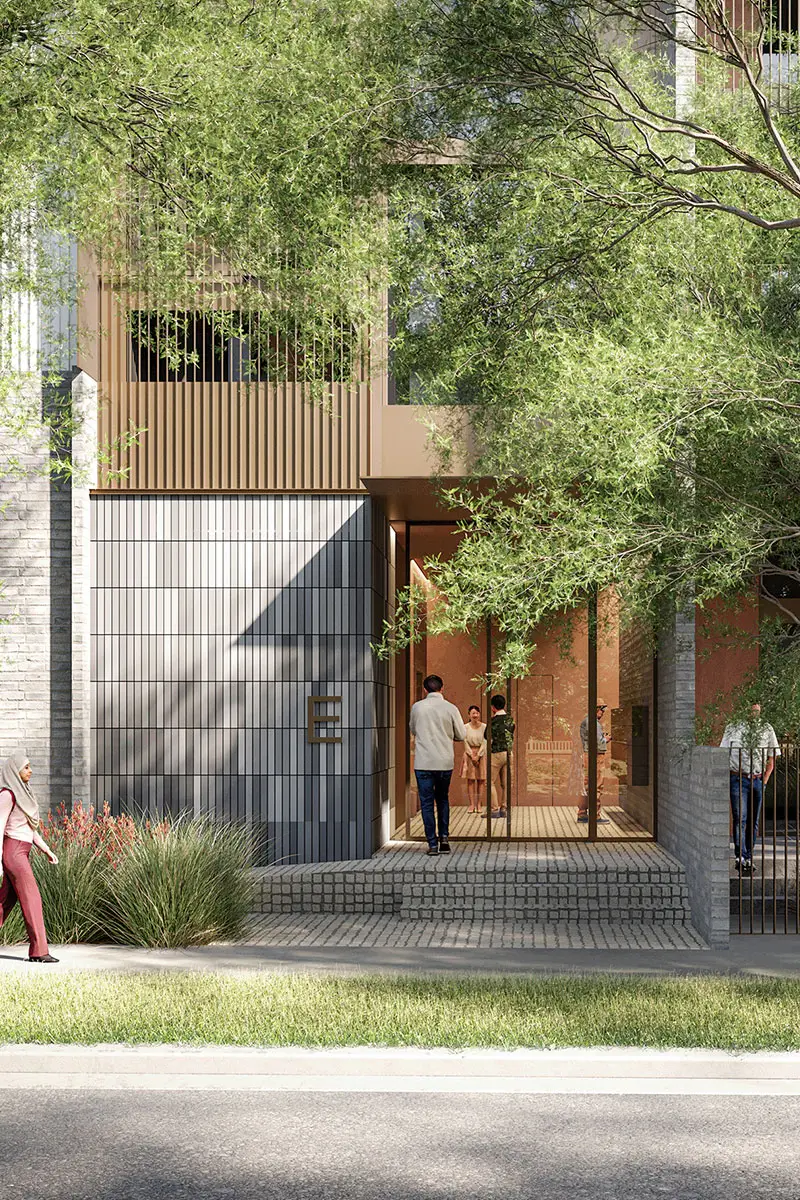
Creating energy-efficient, inclusive communities that transform lives across four Melbourne neighbourhoods
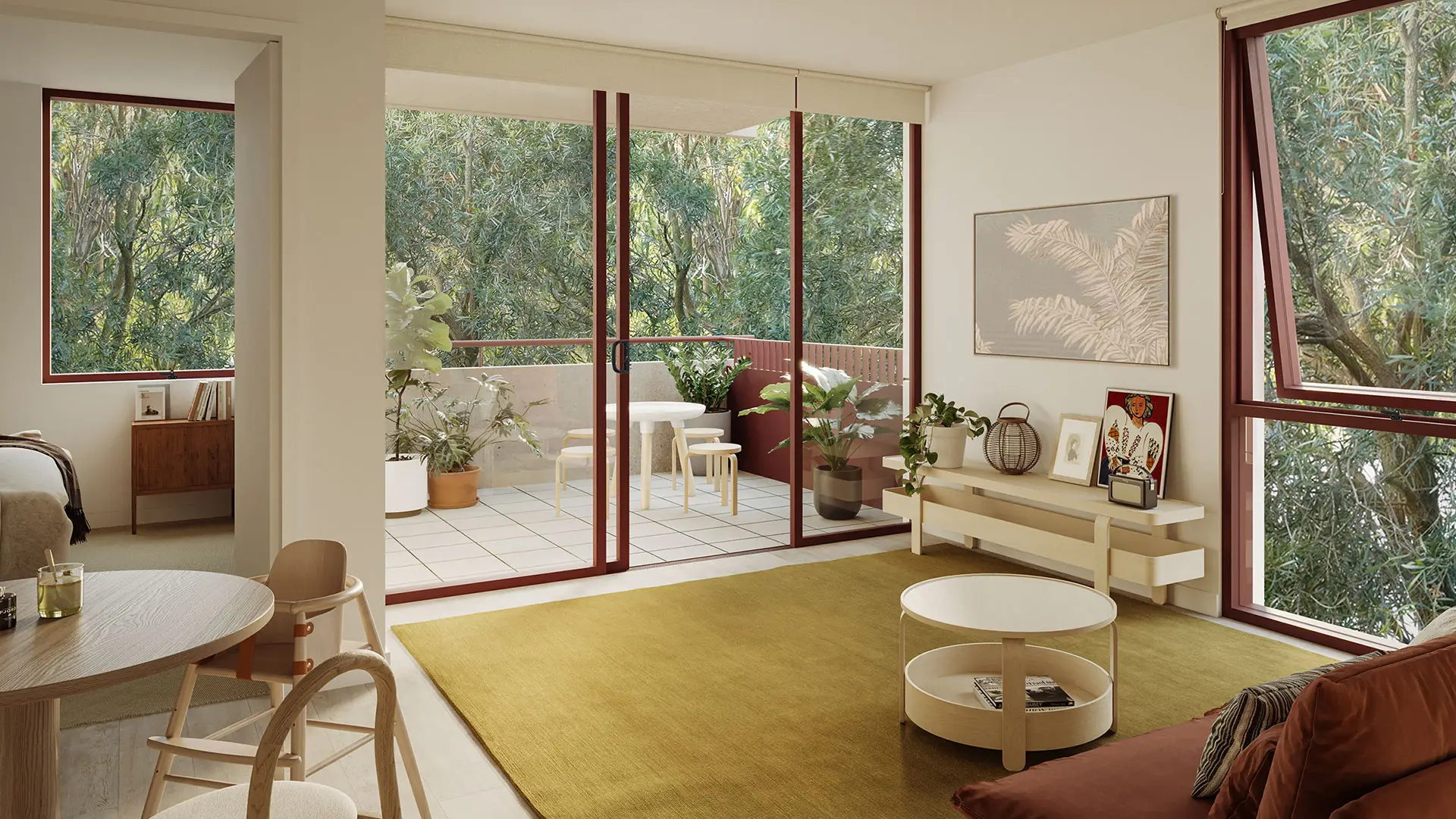
- All 1,370 homes are designed to achieve a NatHERS 7-star energy rating, making them cheaper to heat and cool and more comfortable year-round.
- Rooftop solar installations and EV charging points are included across all four sites, supporting residents to reduce energy costs and carbon footprints.
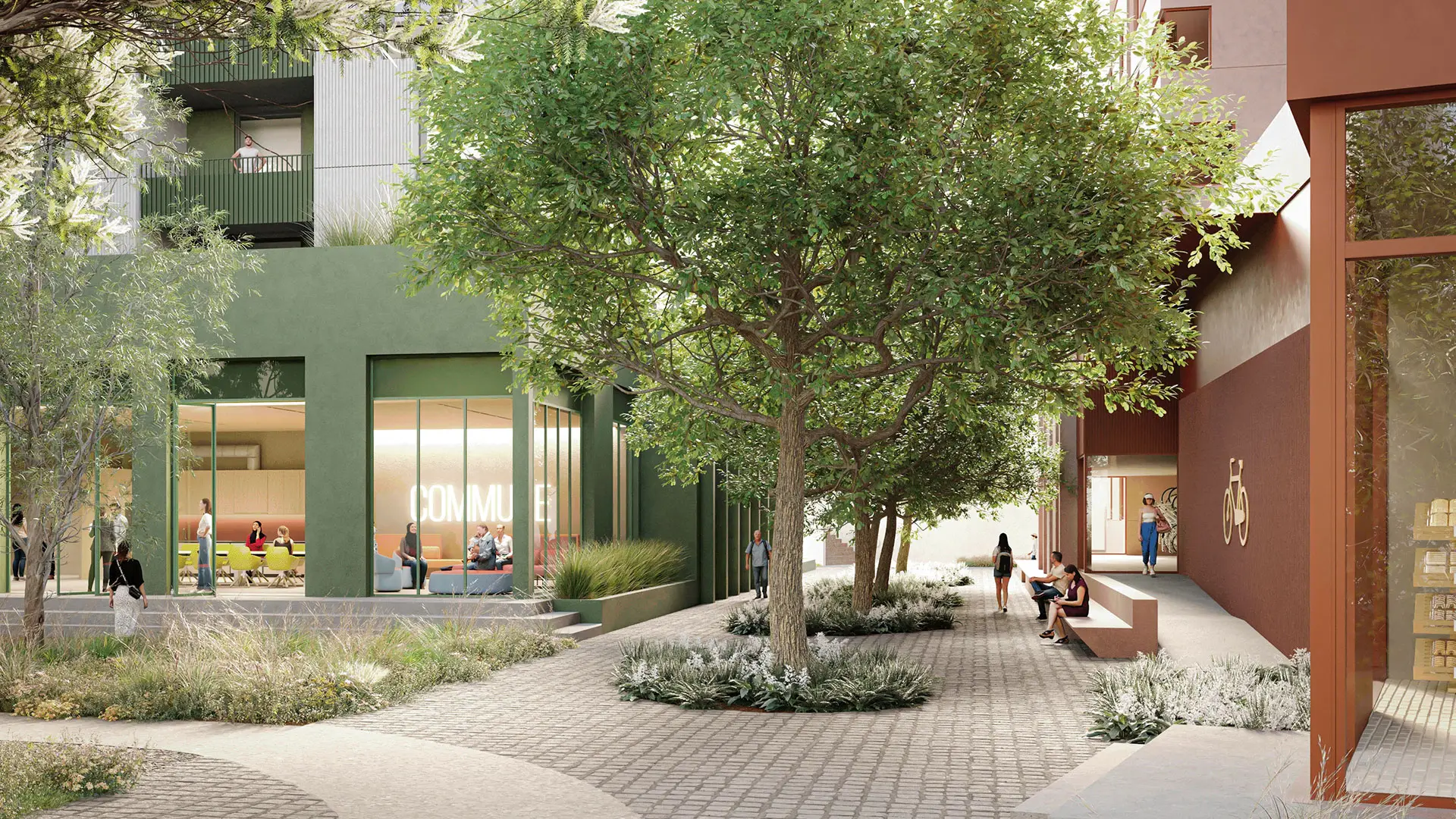
- Landscaping incorporates indigenous and climate-resilient planting, supporting local biodiversity across all four neighbourhoods.
- Existing tenants from the current estates have first right to be considered for new homes, alongside families escaping family violence or homelessness - ensuring the communities with the greatest need benefit most.
- Employment targets for local priority groups - including Aboriginal businesses, social enterprises and people with disabilities - are tracked monthly under the Local Industry Development Plan.
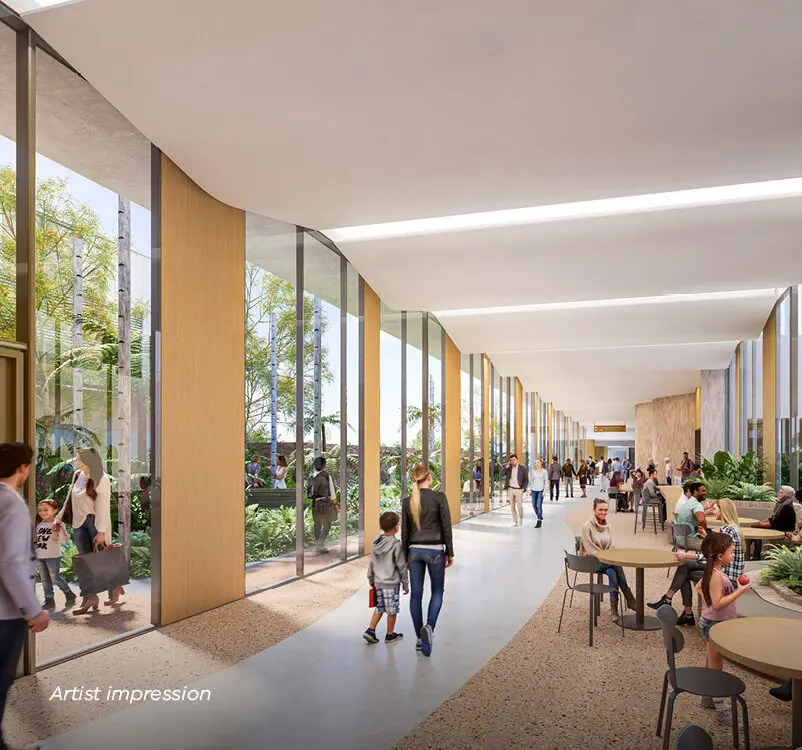
- Community spaces, social enterprises and connections to recreation, public transport and local services are integrated across all four sites, activating each neighbourhood for the long term.