Unlocking Brisbane's rail network to connect communities, reduce congestion and drive economic growth across South-East Queensland.
South-East Queensland's population is expected to reach 4.9 million by 2036, placing enormous pressure on the region's transport network. Cross River Rail unlocks a critical bottleneck in Brisbane's CBD - enabling more frequent services across the whole region, cutting commuter journey times and supporting up to 35,000 new jobs through urban renewal around four new underground stations.
Partnering with the Queensland Government to transform public transport in Australia's fastest-growing city
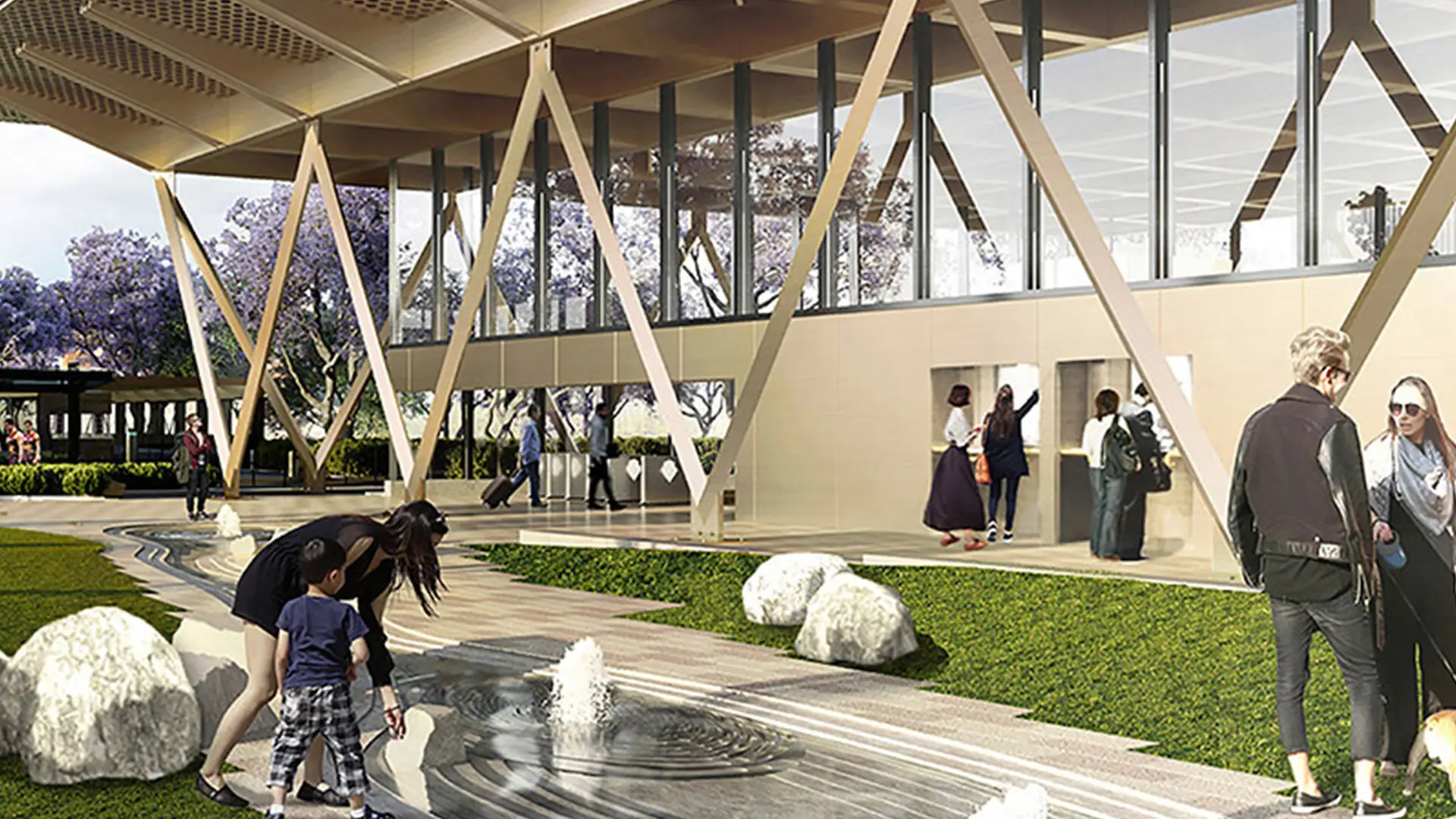
Cross River Rail is Queensland's most significant rail investment in a generation - a 10.2km underground link through Brisbane's CBD delivering four new stations and twin tunnels beneath the Brisbane River. In 2019, the Cross River Rail Delivery Authority selected the Pulse consortium under a 29.5-year PPP to design, build, finance, operate and maintain the Tunnel, Stations and Development package - Queensland's first project to be delivered under a Joint-Control Integrated PPP Model.
The consortium brings together Invesis, Pacific Partnerships, DIF and Ghella, with construction delivered by CBGU and operations and maintenance by UGL following completion.
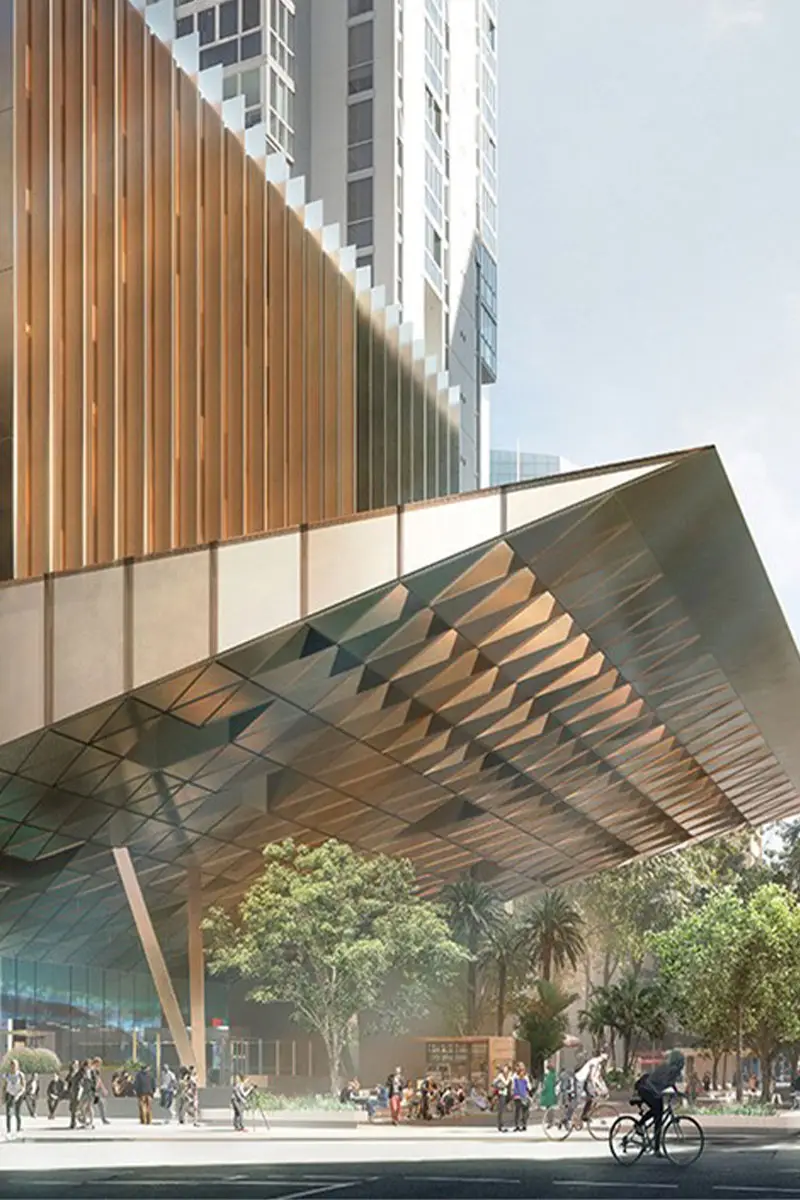
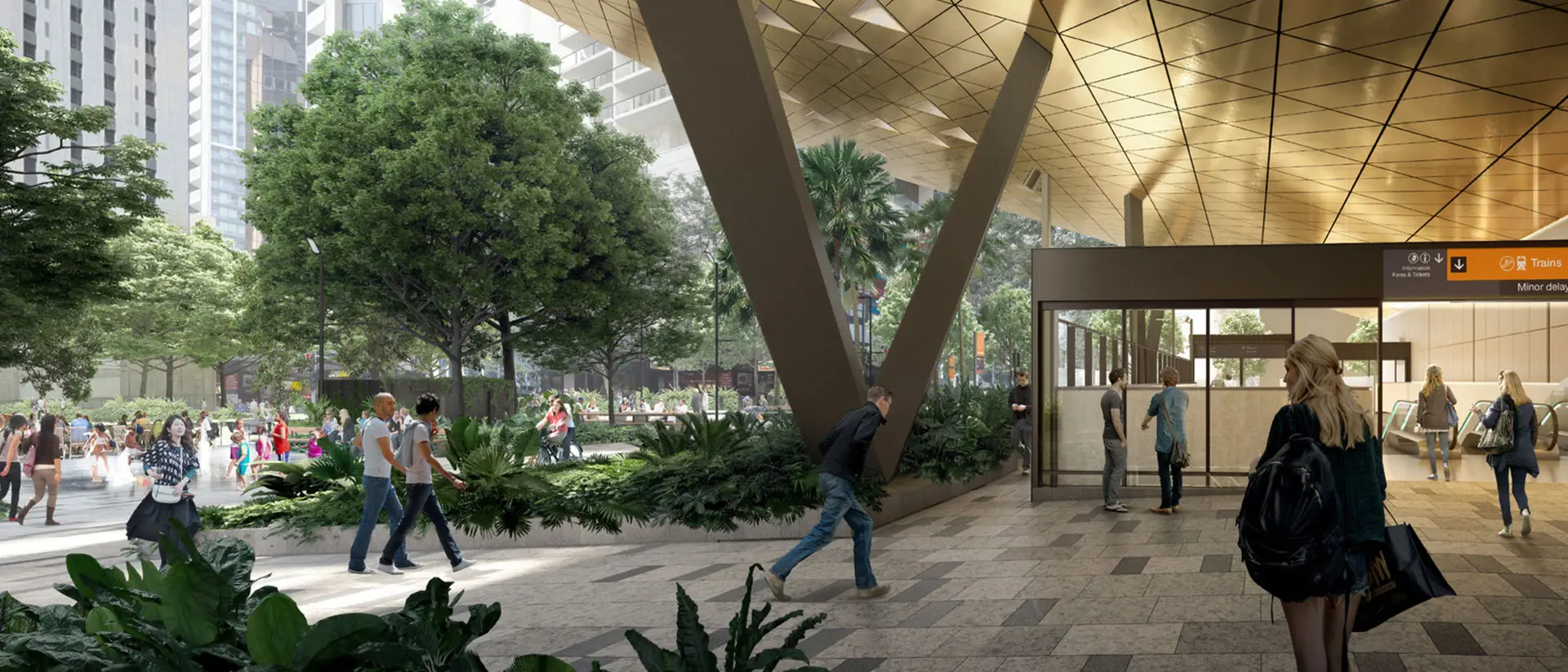
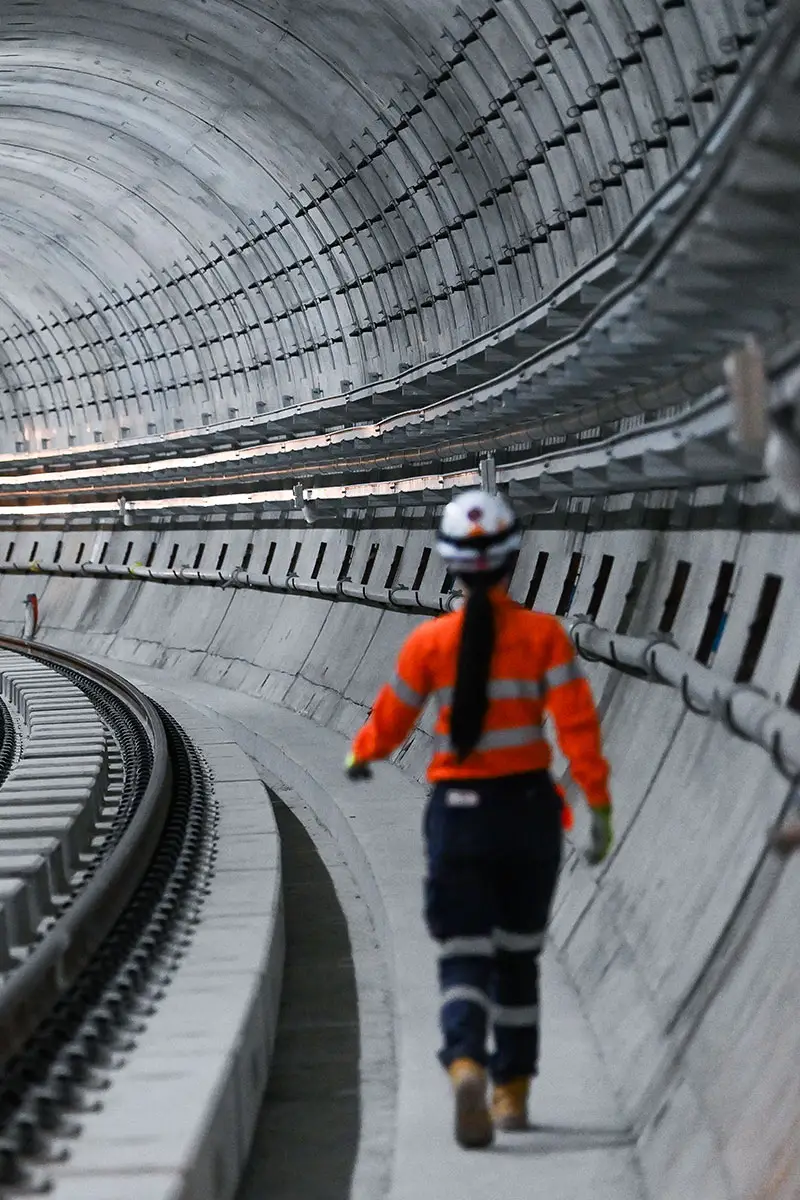
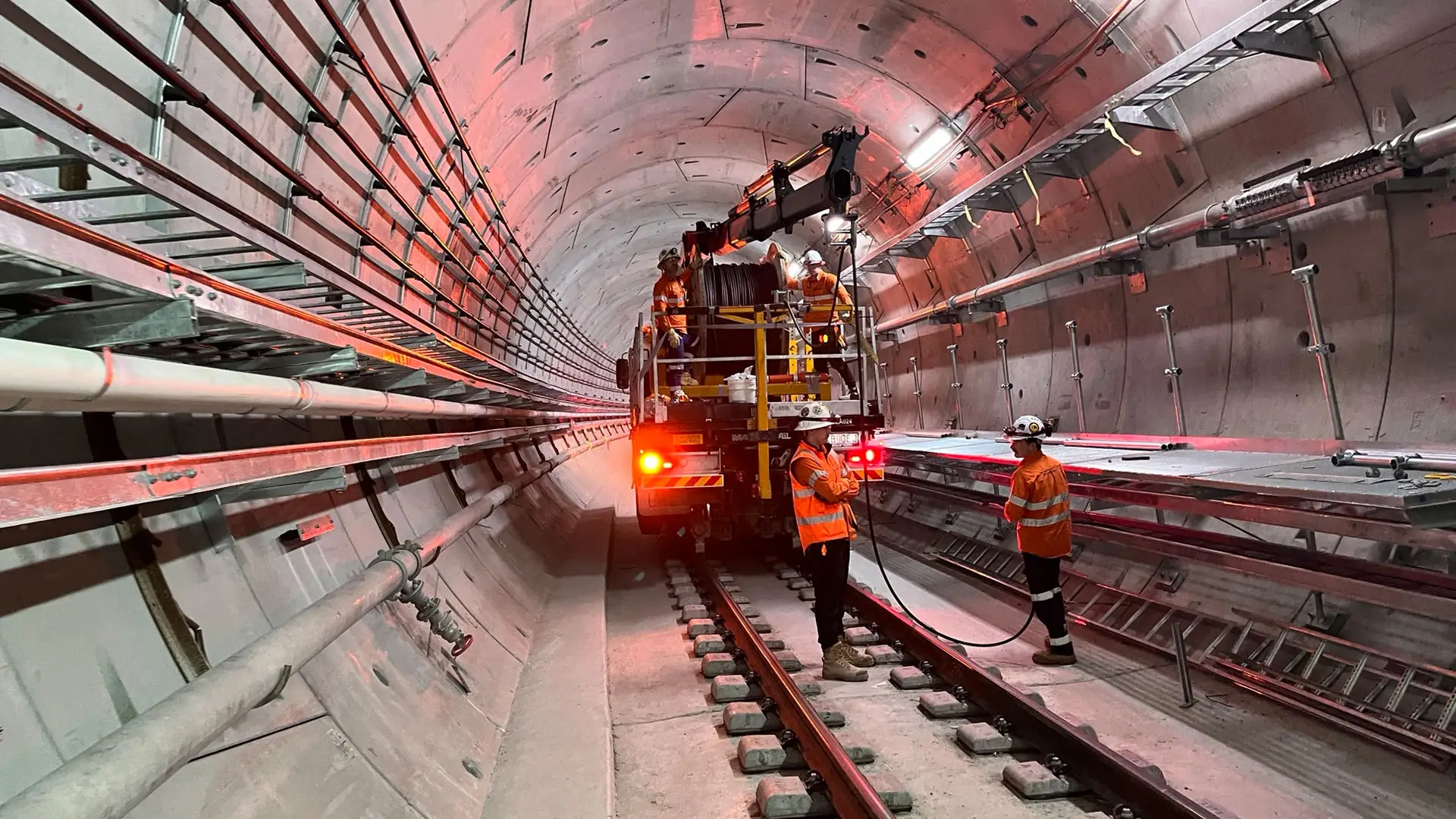
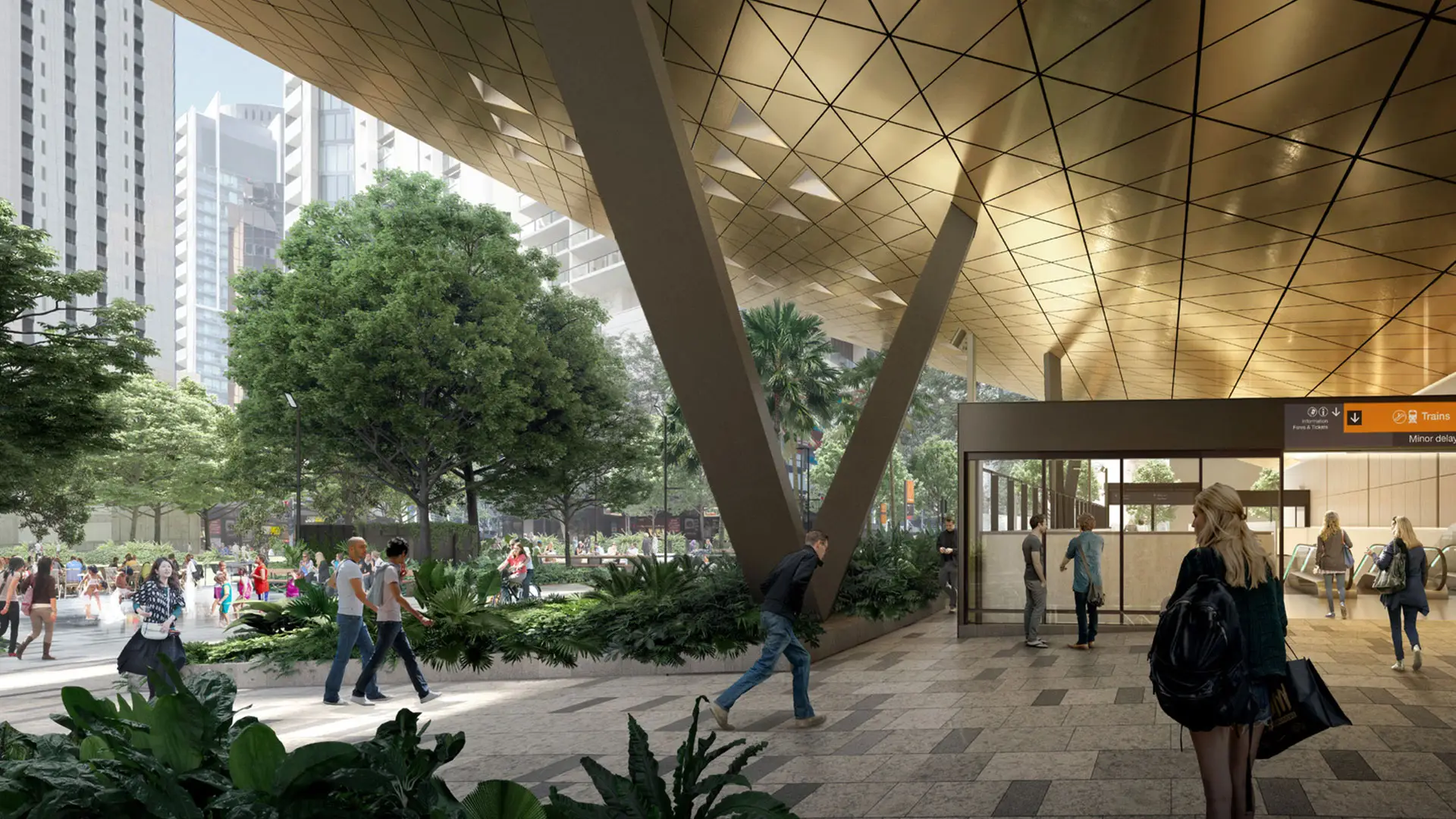
The project comprises 5.9km of twin tunnels beneath the Brisbane River and CBD, and four new underground stations at Boggo Road, Woolloongabba, Albert Street and Roma Street.
Bringing equity and active PPP expertise to Queensland's most significant rail investment - helping unlock growth across the whole region.
More than 130 apprentices and trainees developing the skills Queensland's construction sector needs - 4.5 times the national average.
Innovation
Pioneering new approaches to tunnelling, training and digital engineering in the heart of Brisbane
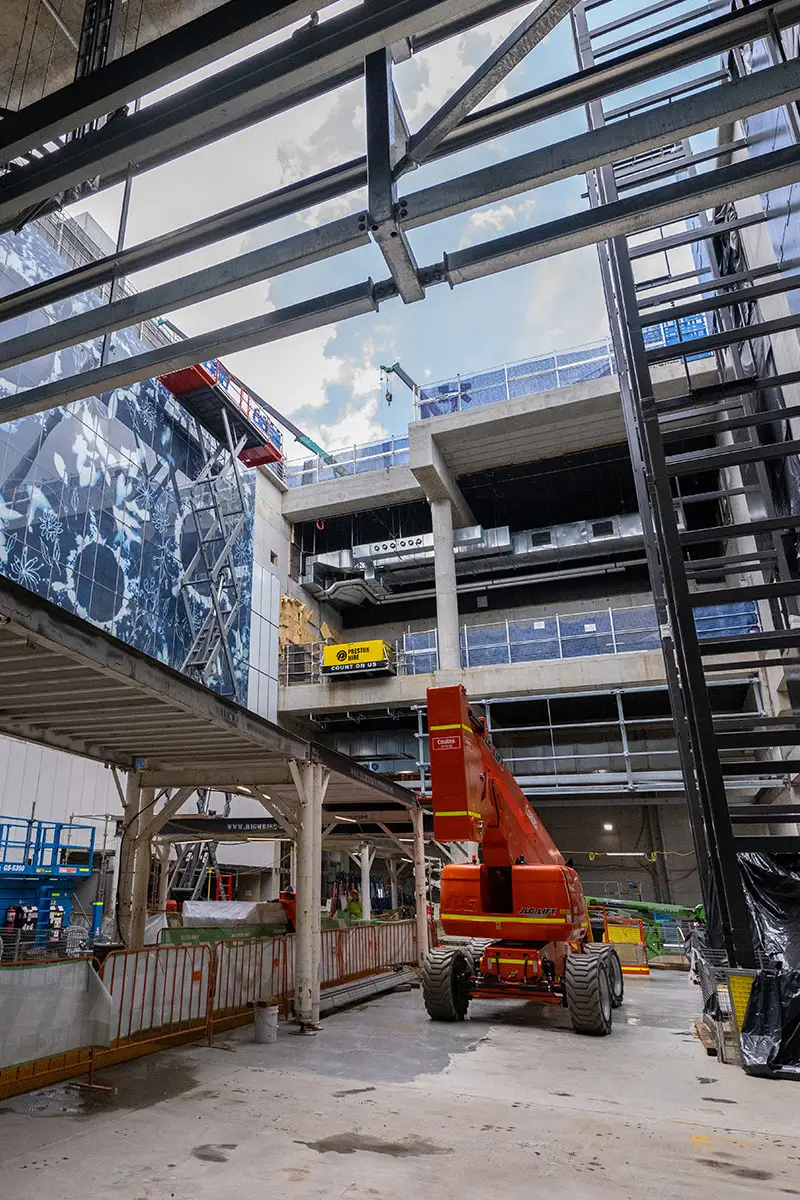
The Pulse consortium has introduced several innovations that set Cross River Rail apart. A purpose-built adjustable propping system with continuous wireless load monitoring supports deep station box walls during excavation - with thermal wraps applied to control structural expansion in Brisbane's intense heat.
A virtual reality environment was developed for Queensland Fire and Emergency Services, enabling teams to walk through each station for training and compliance without entering the live construction site.
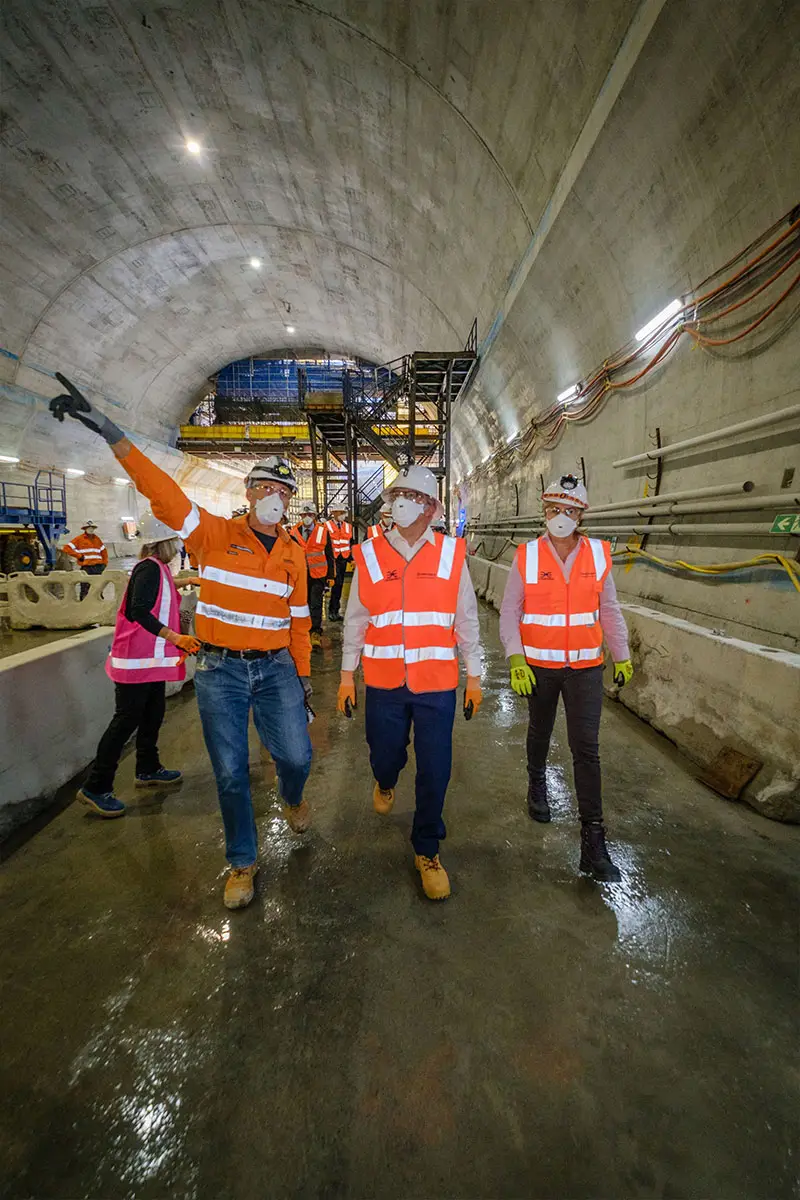
More than 130 employees have undertaken apprenticeships or traineeships across the programme - representing 32% of the underground workforce, approximately 4.5 times the national average - building a lasting skills legacy for Queensland's construction sector.
Sustainability
Setting new standards for sustainable infrastructure delivery across South-East Queensland
The project achieved an ISC Leading Design Rating of 81.66 points in 2023 - one of the highest in Queensland's history - and won the Queensland Major Contractors Association Sustainability Award for its pioneering use of recycled crushed glass as an alternative to natural aggregates.
Approximately 10,000 tonnes of recycled crushed glass will be used for pipe embedment, drainage and backfill, diverting material from landfill and reducing demand for natural resources.
99.1% of waste generated on the TSD in 2020-21 was recycled or reused, and the use of higher fly ash and slag content in concrete prevented 8,150 tonnes of CO2 - equivalent to taking over 2,200 cars off Australian roads annually.
Albert Street Station includes a floodgate system protecting the station from water up to 11 metres above street level, future-proofing the infrastructure against climate change.
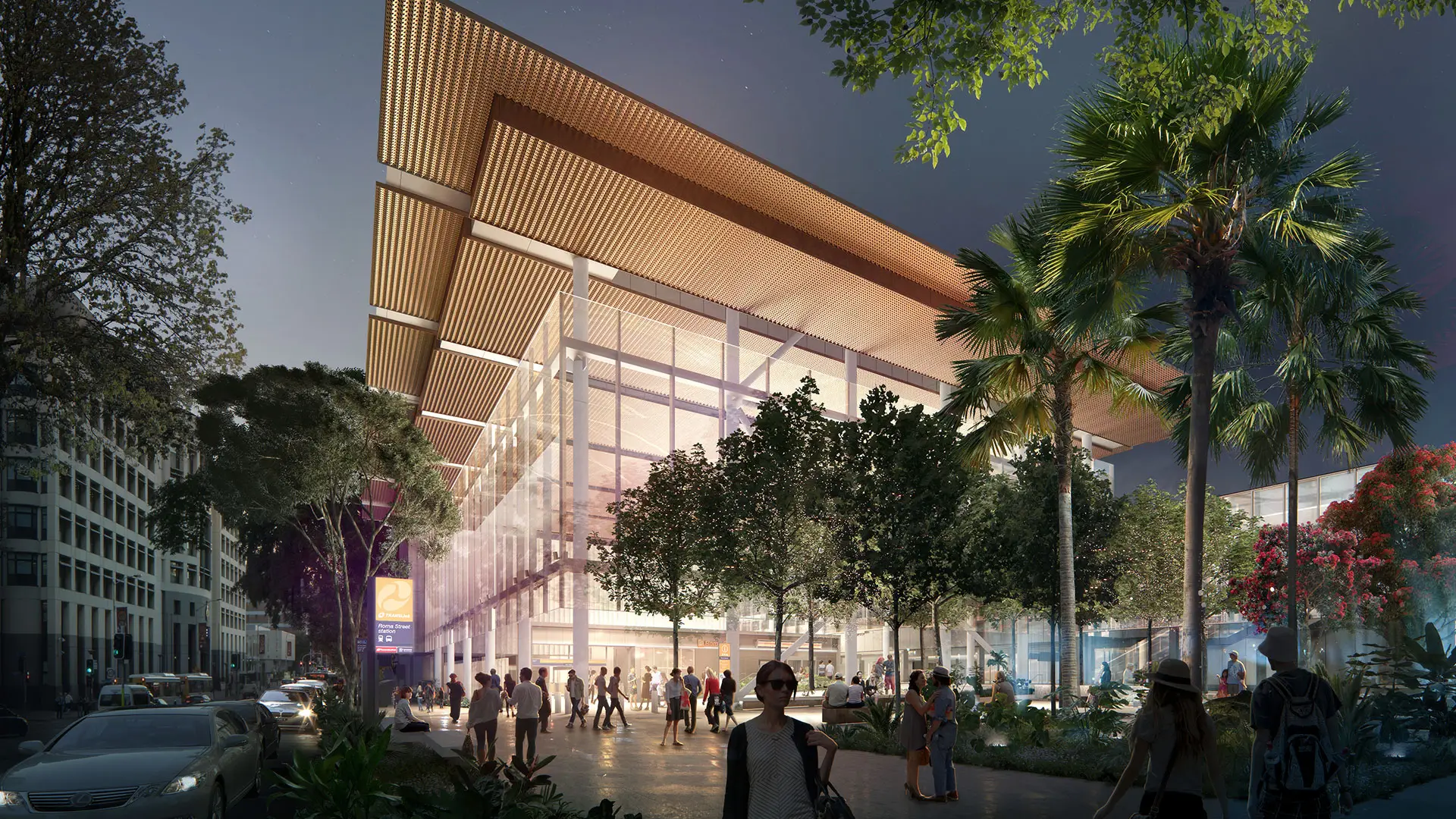
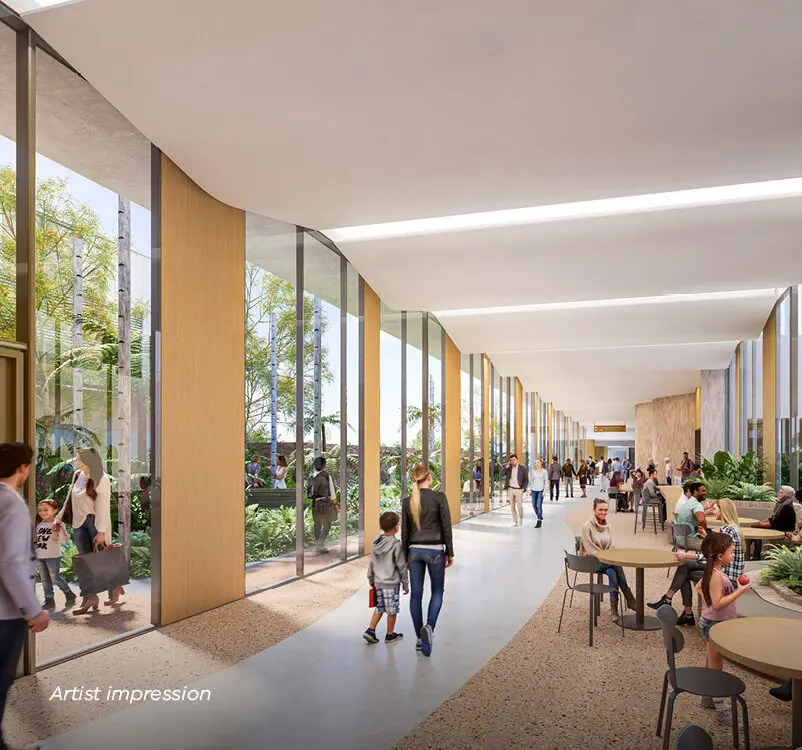
A new green spine on Albert Street will connect Brisbane's Botanical Gardens and Roma Street Parklands via a pedestrian subtropical corridor, with over 300 trees planted across the four station precincts.
An ISC Leading Design Rating, 99.1% of waste recycled and a new green spine for Brisbane - sustainability built in from the start.