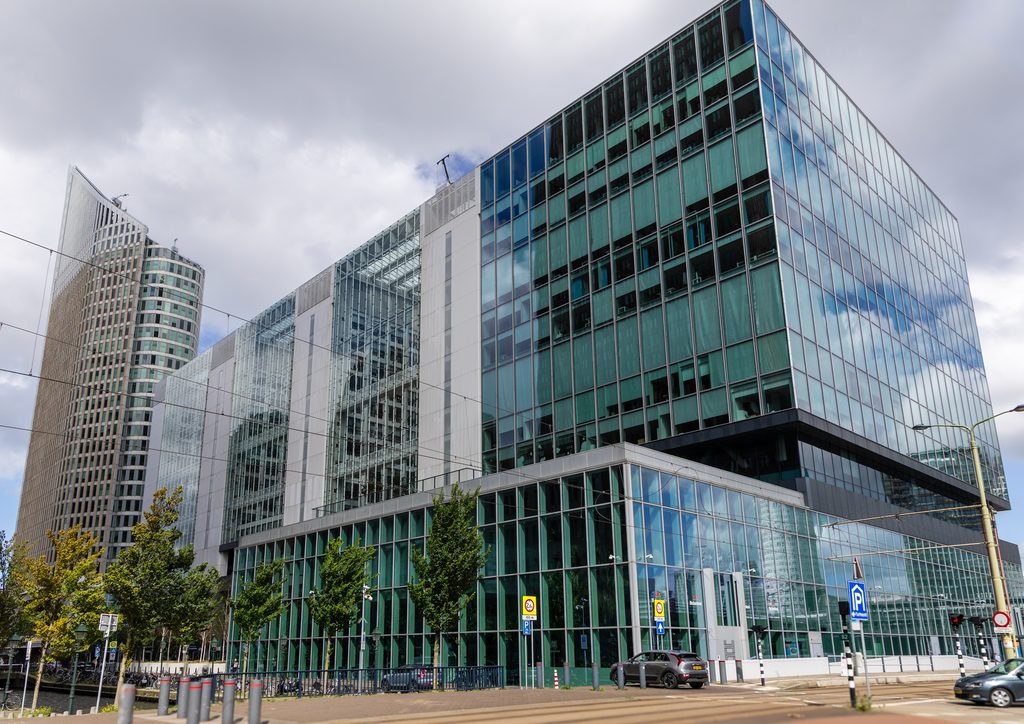
Invesis and BAM are combining energy performance data, technical expertise and long-term investment planning to support the continued sustainability of Rijnstraat 8 in The Hague.
Strong sustainability performance begins with good design, but maintaining and improving that performance requires ongoing collaboration, monitoring and informed investment decisions.
At Rijnstraat 8, an 84,500 m² government office building in The Hague, this approach is delivering positive results.
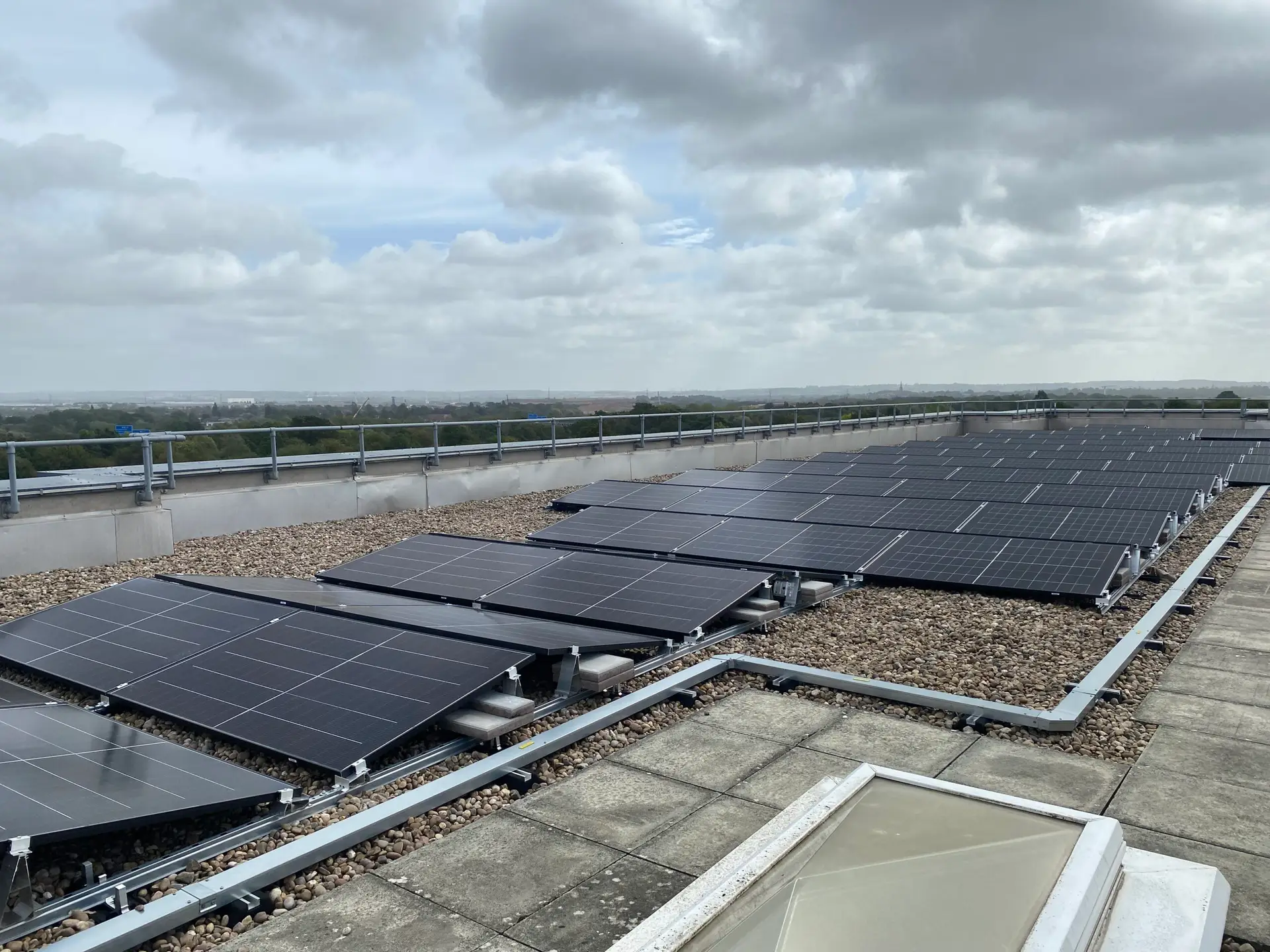
Rijnstraat 8 already sources 100% renewable electricity through Dutch wind power, generates its own energy onsite via solar photovoltaic (PV) panels and uses an Aquifer Thermal Energy Storage (ATES) system for heating and cooling, supplemented by a local heat network. The building therefore operates with exceptionally low residual market-based emissions of under 50 tCO2e for the 2025 calendar year, equivalent to less than 1 kgCO₂e/m²/year.
Together with consortium partner BAM Bouw en Techniek, Invesis has established a further decarbonisation plan towards net zero by 2035, making it aligned with, and ahead of, the recognised building-sector decarbonisation pathways of CRREM and the Dutch WEii framework.
Building on strong energy performance
PoortCentraal is the consortium responsible for Rijnstraat 8’s long-term operation. Within this collaboration, BAM Bouw en Techniek – Gebouwservices manages and maintains the building. Invesis contributes a long-term investment and sustainability perspective.
Working together, the partners are using WEii (Actual Energy Intensity Indicator), a Dutch methodology that measures actual energy consumption and benchmarks building performance against recognised sustainability targets, including Paris Proof ambitions. BAM is a licensed WEii assessor and is authorised to issue certified WEii ratings for buildings. It is one of 23 parties authorised to do so and the first construction company in the Netherlands to achieve this status.
The WEii approach provides insight into how a building performs during everyday use, rather than relying solely on its design specifications. Moreover, the results help identify the main opportunities for energy savings and guide further sustainability improvements through optimising building services, changing user behaviour or a combination of both.
"We are seeing a growing need for insight into the actual performance of buildings," says Danny Hommersen, Project Director at Invesis. "Not only because of reporting requirements, but above all to determine where investments can have the greatest impact on energy consumption and CO₂ reduction."
The findings at Rijnstraat 8 demonstrate the value of combining strong original design principles with effective ongoing building management.
Using data to drive continuous improvement
Although Rijnstraat 8 already performs well, Invesis and BAM continue to explore opportunities to further improve energy efficiency and reduce emissions.
Detailed energy monitoring and submetering help distinguish between energy consumed by building systems, including heating, cooling and ventilation, and energy associated with occupants' activities.
This allows the team to identify where improvements could have the greatest impact.
For example, analysis has identified air handling as a significant contributor to overall energy consumption. BAM’s energy monitoring platform enables the team to analyse how these systems operate and are configured, identifying opportunities to improve energy efficiency without compromising occupant comfort or building performance.
"The value of WEii lies not only in the certificate," explains Olaf Amersfoort, sustainability adviser and licensed WEii assessor at BAM Bouw en Techniek. "A certificate is a good starting point for identifying where opportunities lie. We can then work with Invesis to determine which measures are most effective from both a technical and financial perspective."
Planning for long-term decarbonisation
The insights gathered through WEii assessments and ongoing energy monitoring are helping to inform the further decarbonisation plan for Rijnstraat 8.
The plan identifies opportunities to further improve the building's energy performance, taking account of operational requirements, investment considerations and long-term sustainability objectives. The ambition is for the building to achieve net zero emissions by 2035, when the heat network to which it is connected is also targeting net zero.
For Invesis, this work supports an evidence-based approach to managing and improving the sustainability of its investments throughout their operational lives.
"WEii helps us base investment decisions on actual performance rather than assumptions," says Danny. "This enables us to take a more targeted approach to improving the sustainability of our portfolio."
A partnership focused on long-term performance
The work at Rijnstraat 8 demonstrates how investors and operational partners can work together to maintain strong sustainability performance while identifying further opportunities for improvement.
By combining Invesis's long-term investment perspective with BAM's technical expertise, the partners are translating energy performance data into practical decisions that support the building's future.
"Measurement is not an end in itself for us," adds Danny. "What matters is that the insights help us make the right choices for the future of our buildings. This allows us to substantiate investment decisions and take targeted action to improve the sustainability of our portfolio."
Rijnstraat 8 illustrates how ongoing collaboration, informed decision-making and a commitment to continuous improvement can support the long-term sustainability of existing infrastructure.