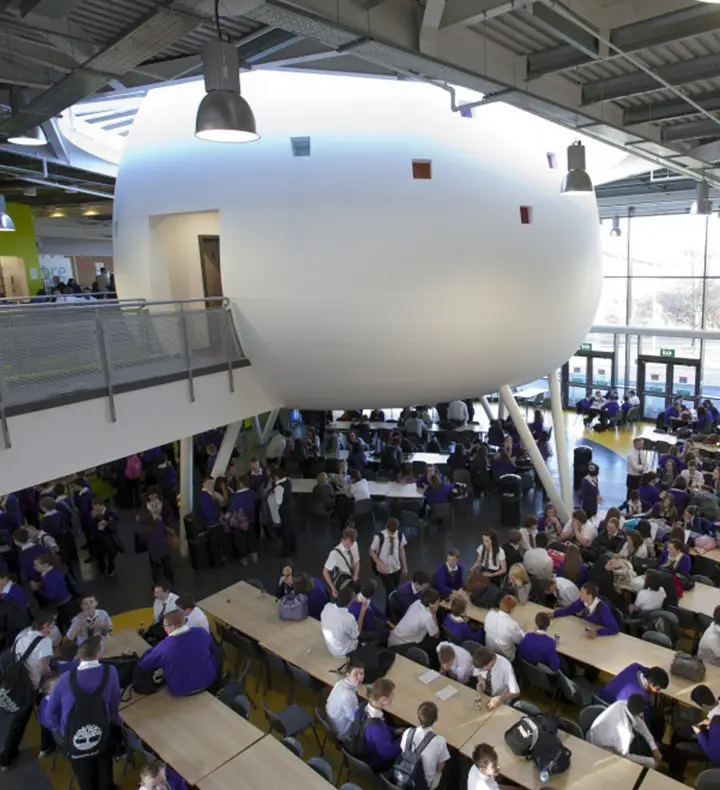
Delivering four outstanding community learning centres to serve 4,400 pupils and the wider communities of West Dunbartonshire.
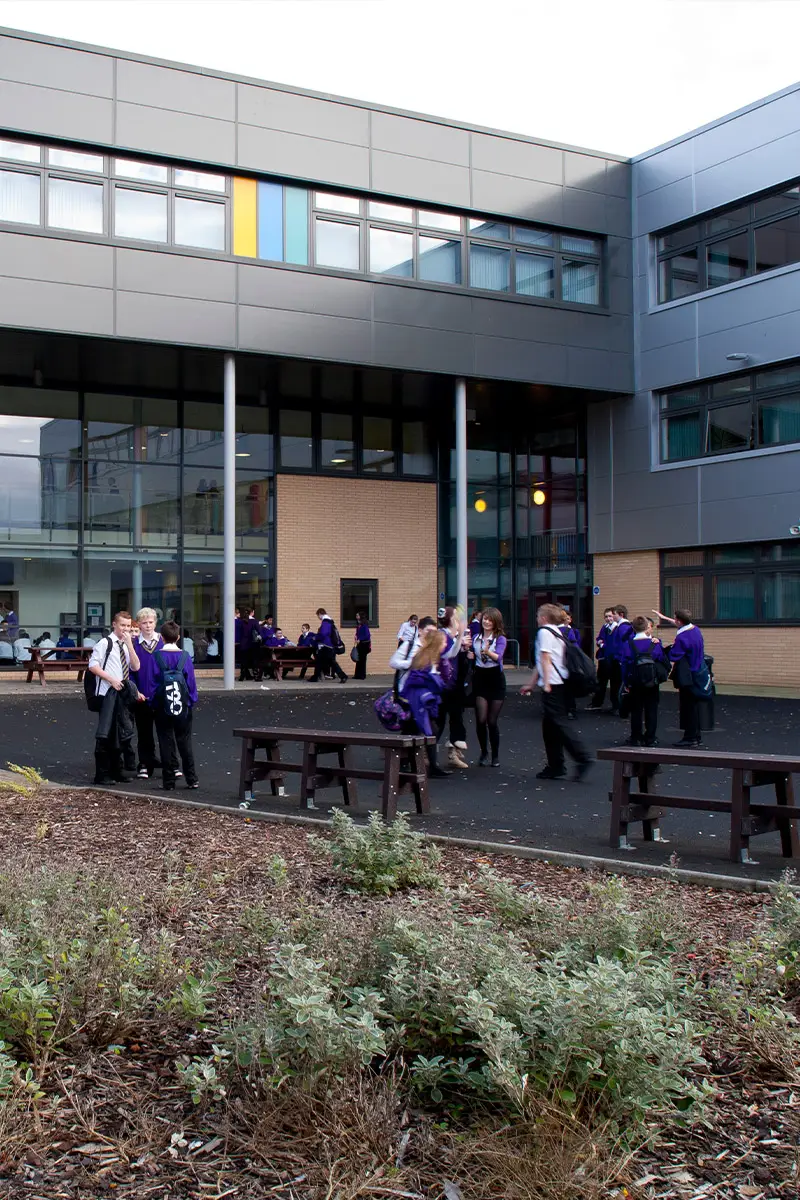
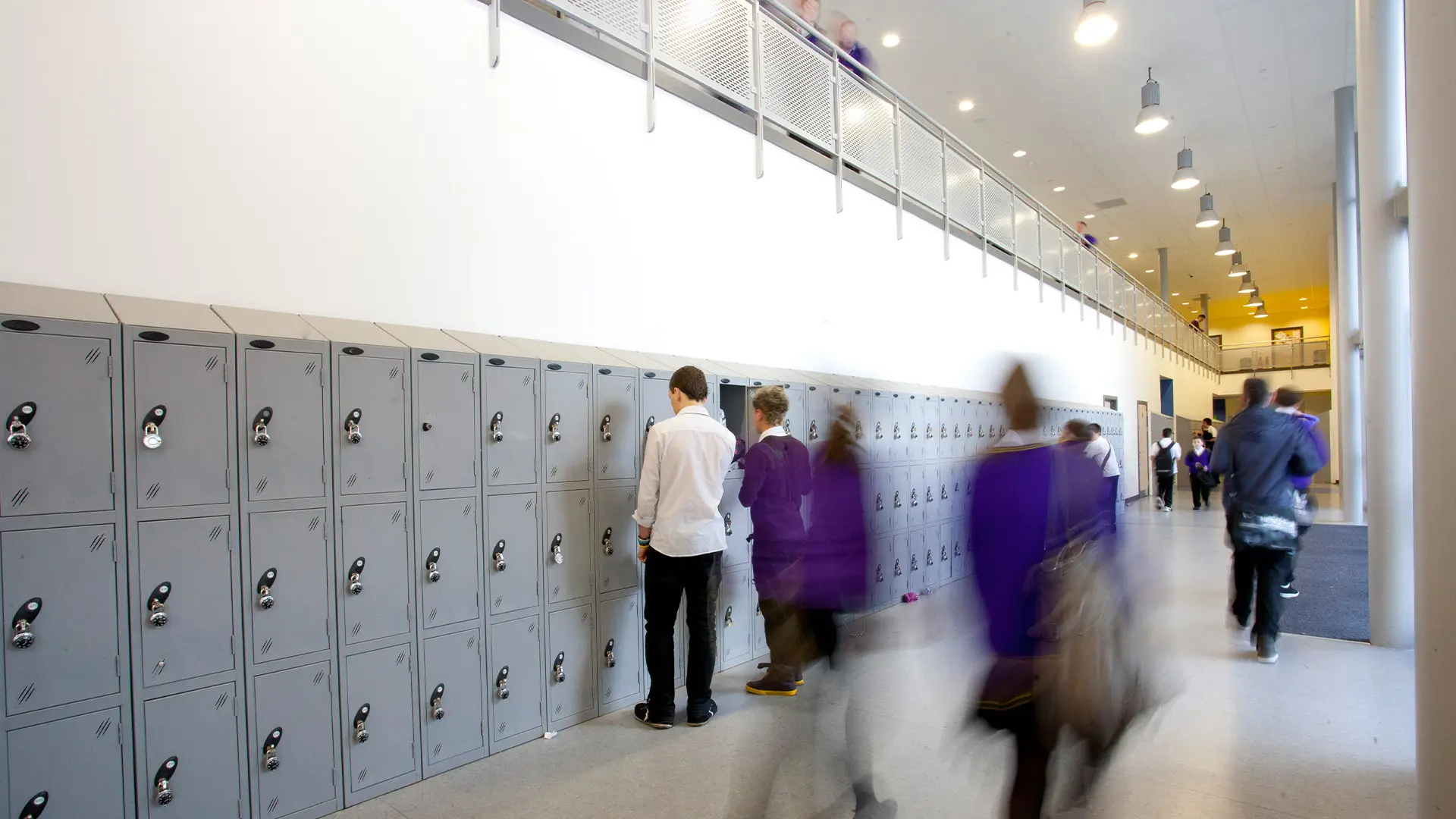
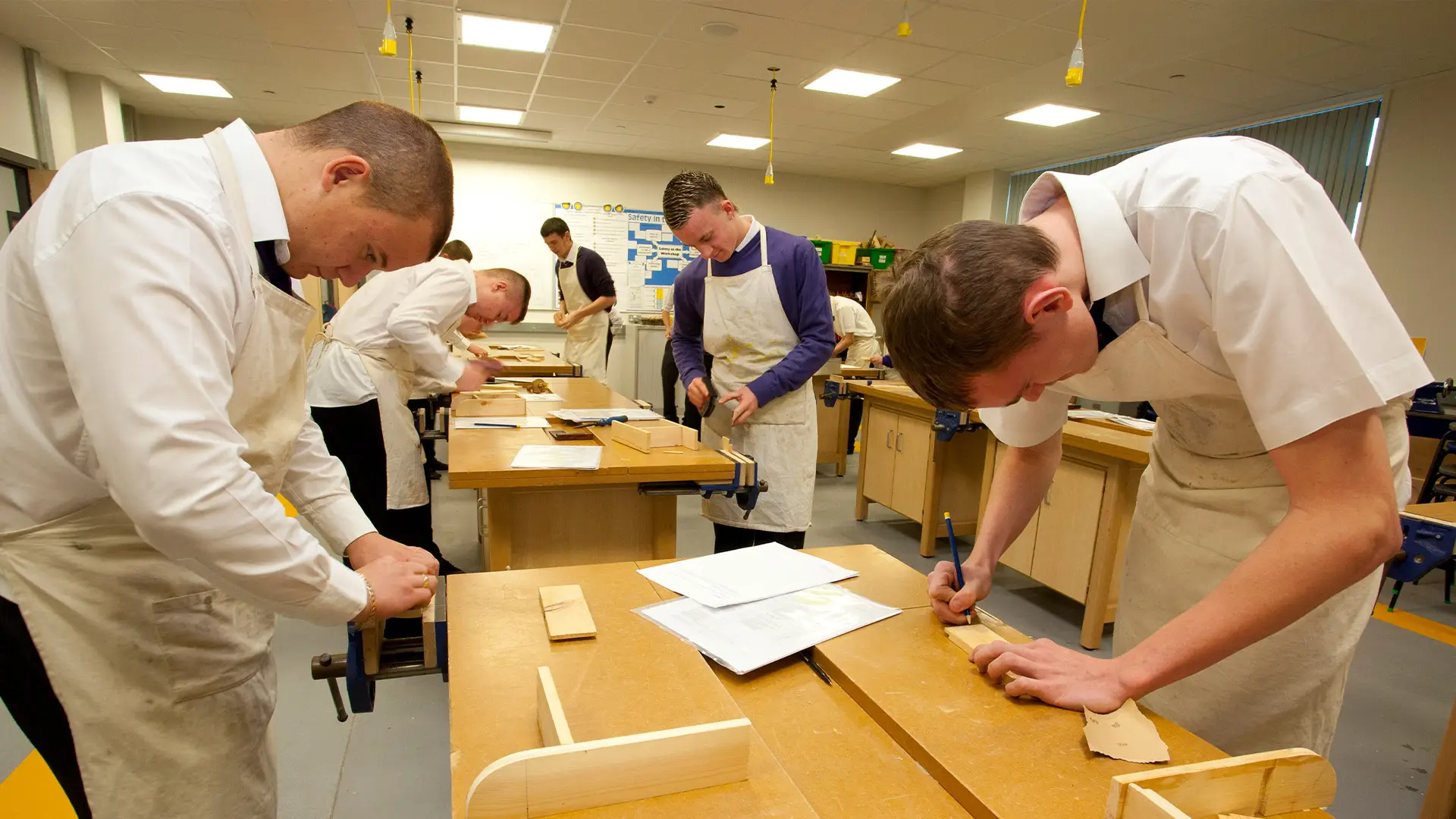
West Dunbartonshire's Building our Future programme replaced three secondary schools and a primary school with four modern, BREEAM Excellent community learning centres - each uniquely designed for its pupils, its location and the wider community. Serving over 4,400 pupils and open to the community after hours, these schools are built to inspire for generations to come.
Financial Close
January 2008
Construction Period
2008 - 2010
Concession Period
30 years
Handback
2039
Client
West Dunbartonshire Council
Location
West Dunbartonshire, Scotland, UK
Sponsor/Investor
Invesis
Consortium
West Dunbartonshire Schools Ltd
Engineering Procurement and Construction
BAM Construction
Operations and Maintenance
BAM FM
Capital Value
€124m
Supporting West Dunbartonshire Council to deliver four bespoke schools built around their communities
West Dunbartonshire Council's Building our Future initiative set out to transform education across the borough, replacing outdated schools with modern, flexible facilities designed to raise attainment and serve communities for decades to come.
In 2008, West Dunbartonshire Council appointed Invesis as sole investor and SPV manager under a 30-year DBFM PPP contract. Working with BAM Construction and three specialist architect practices, each school was given a bespoke design responding to its community, site and educational needs.
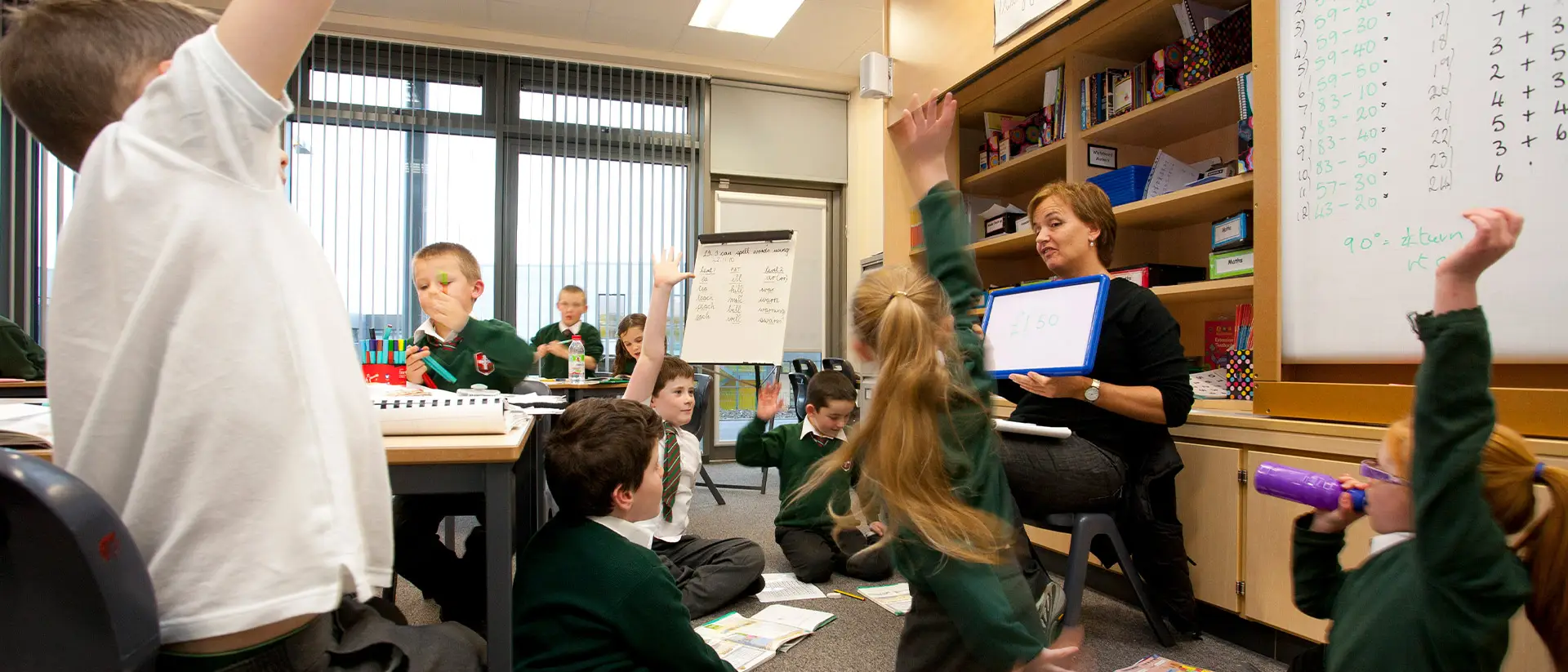
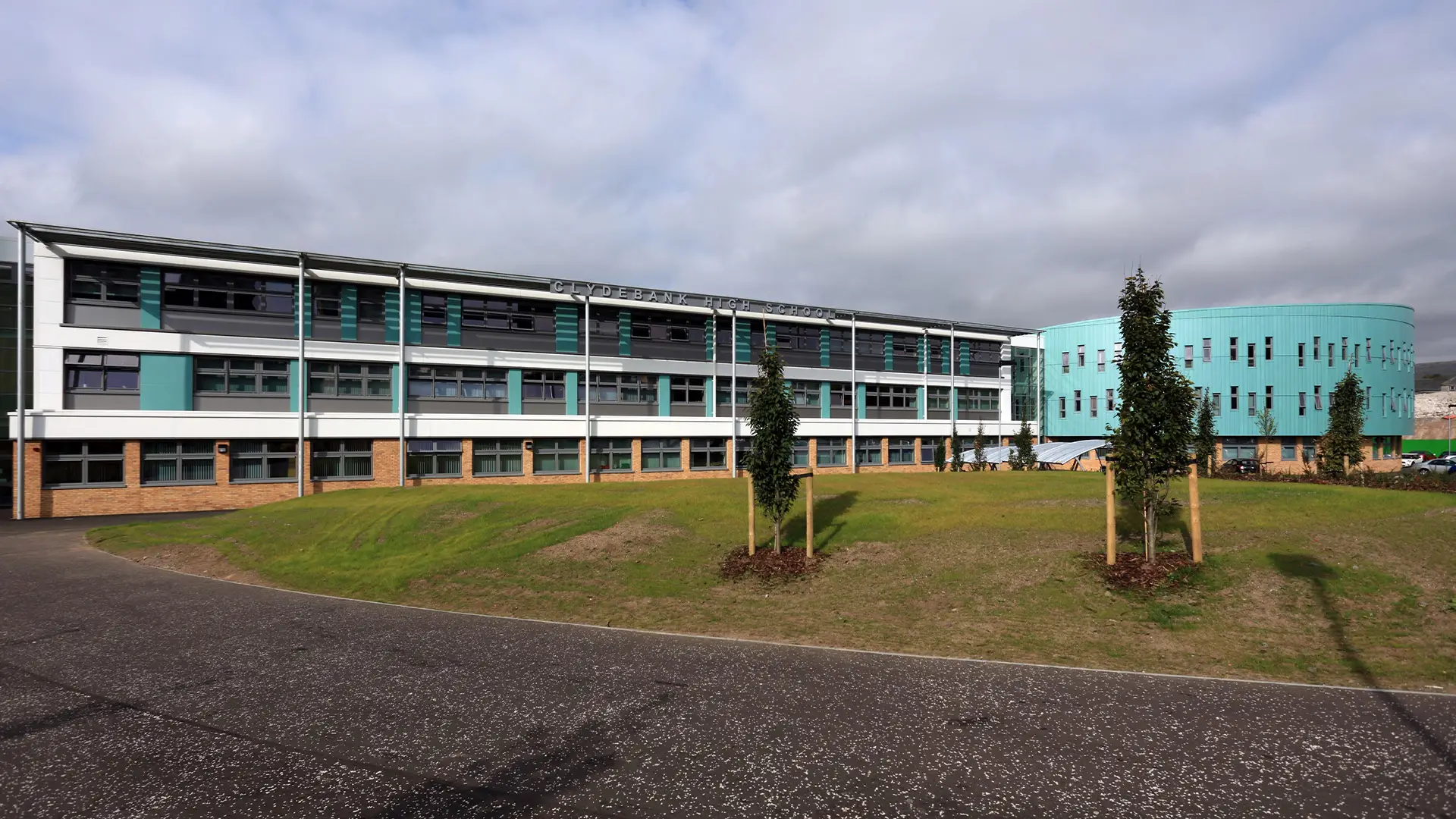
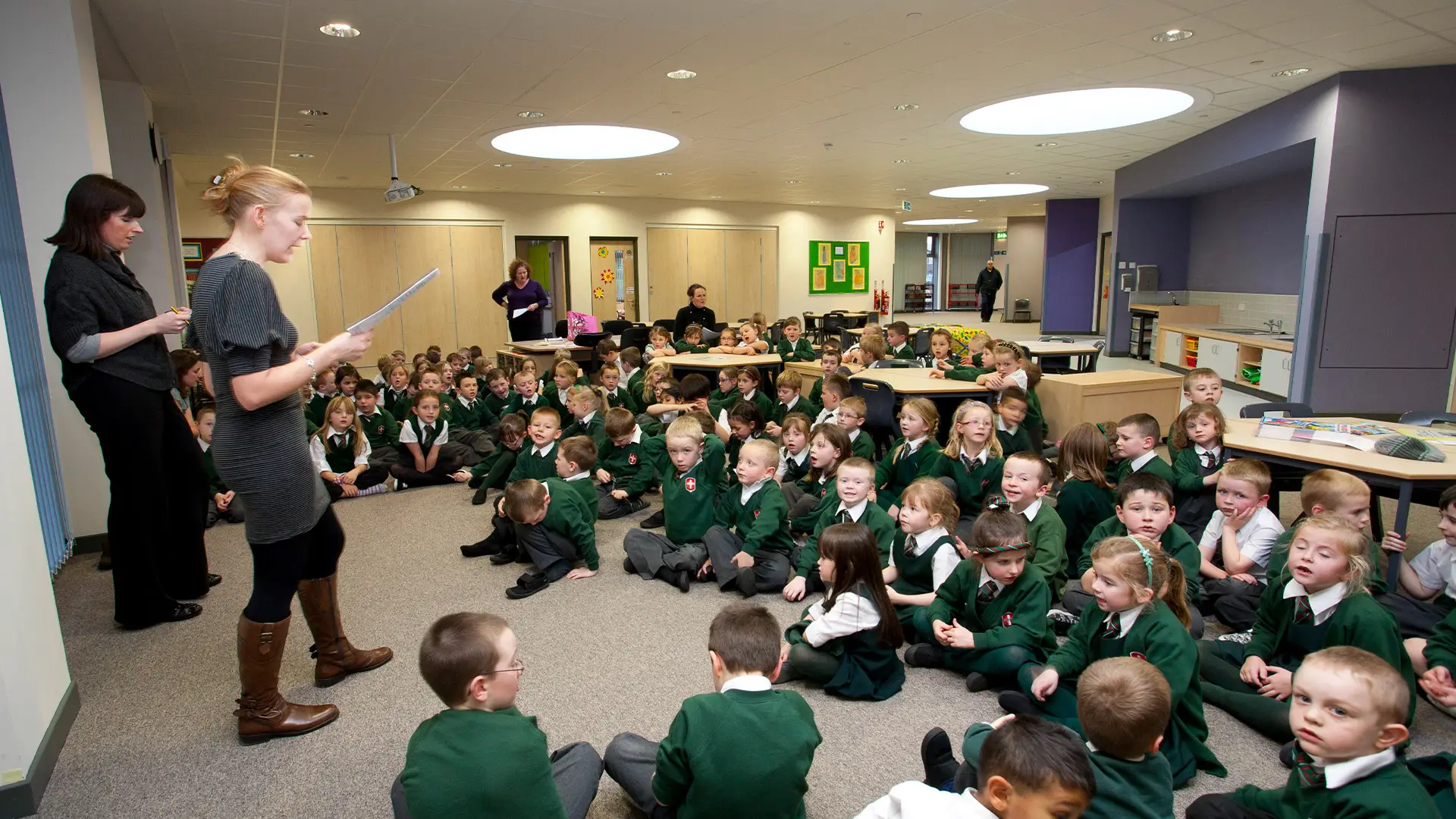
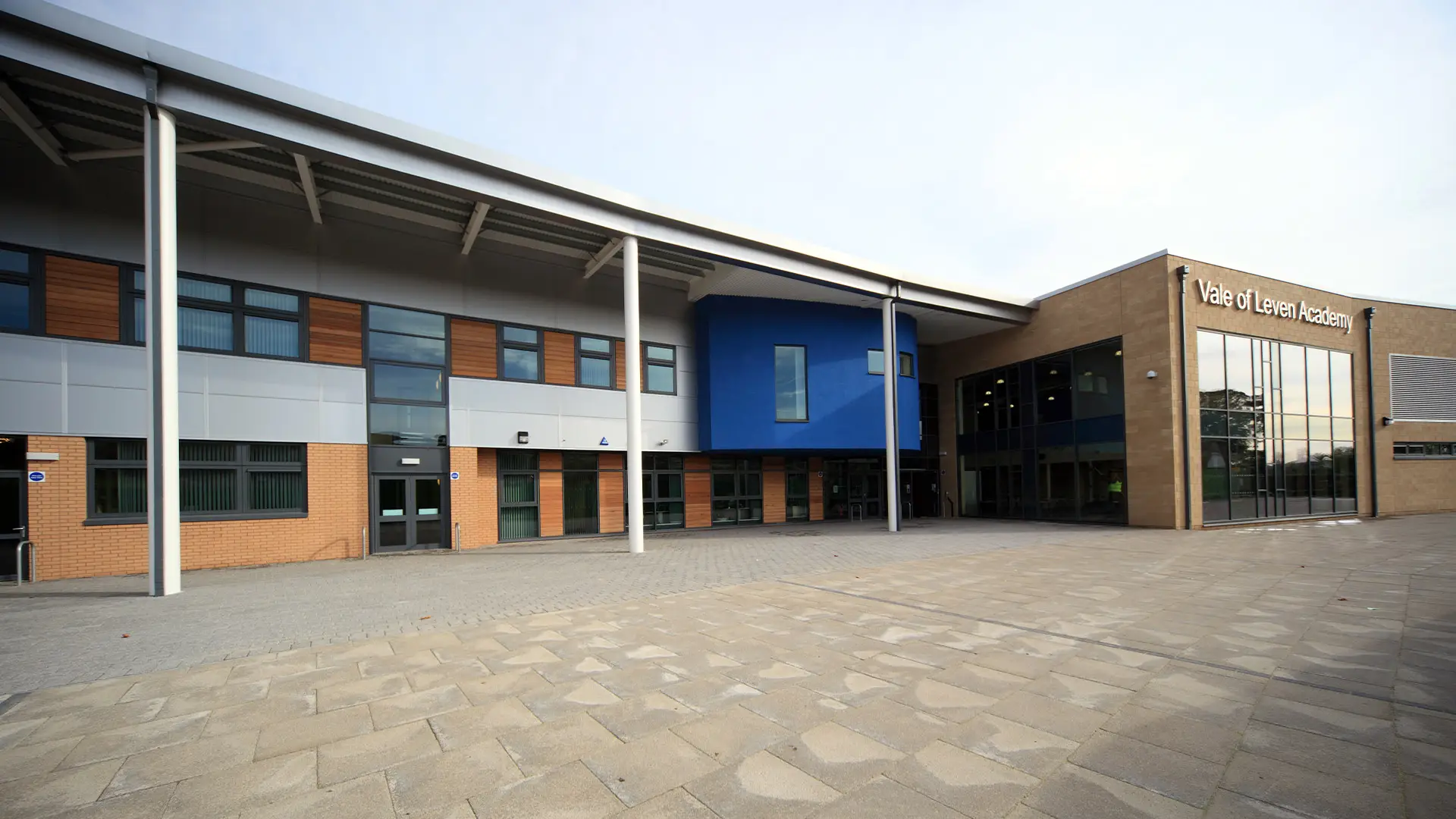
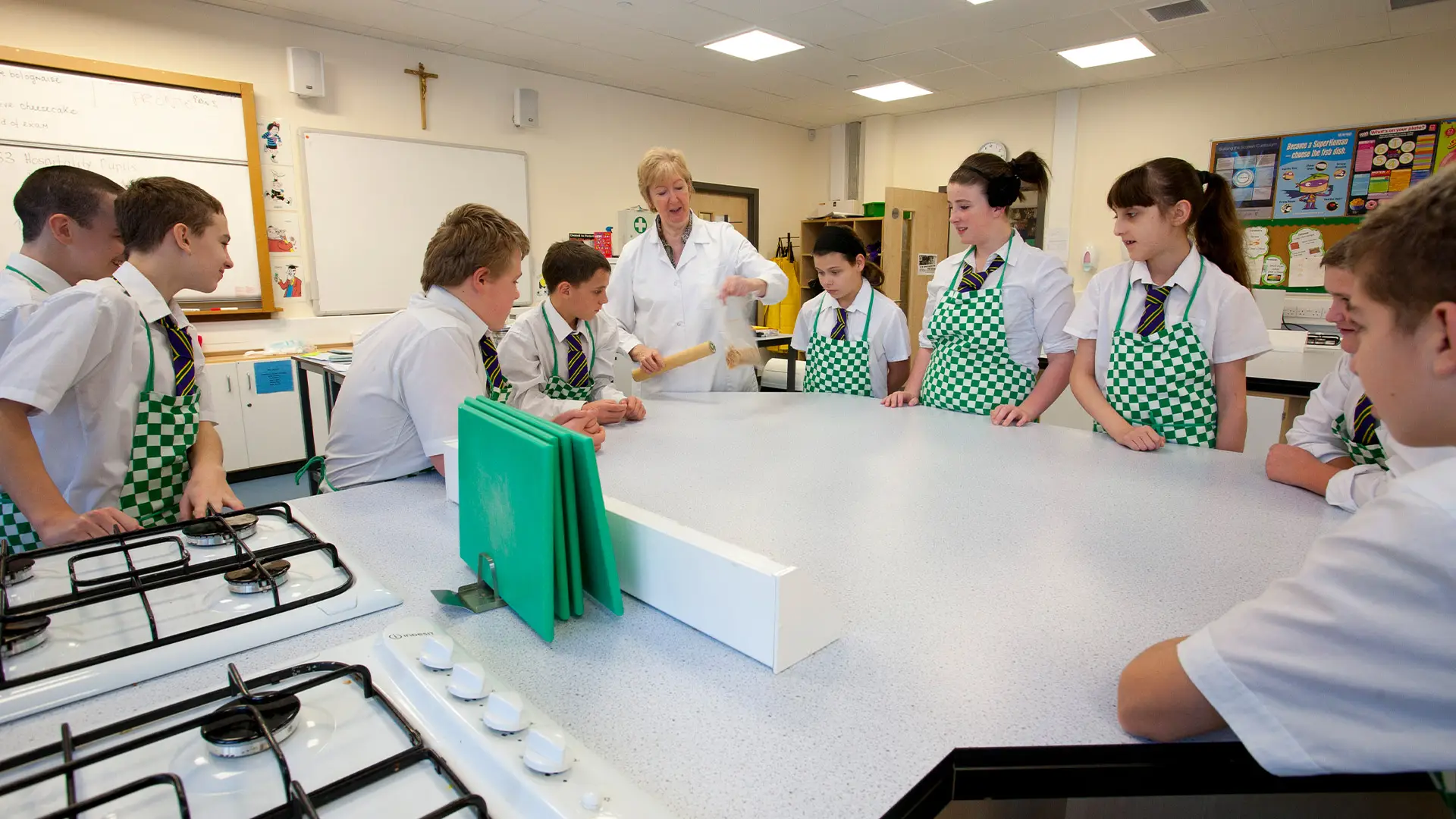
The four schools - Vale of Leven Academy (1,100 pupils), Clydebank High School (1,500 pupils), St Peter the Apostle High School (1,500 pupils) and St Eunan's Primary School - were delivered in phases between June 2009 and November 2010, with all facilities open to the community outside school hours. Vale of Leven includes a specialist unit for pupils on the autistic spectrum; St Eunan's incorporates an Early Education and Childcare Centre for 79 pre-school children.
Sole investor and SPV manager on four bespoke schools - built around the needs of 4,400 pupils and their communities.
Ground source heat pumps and rainwater harvesting built in from day one - with innovation continuing across the 30-year concession.
Innovation
Designing energy-efficient schools and building them without disrupting a single day of learning
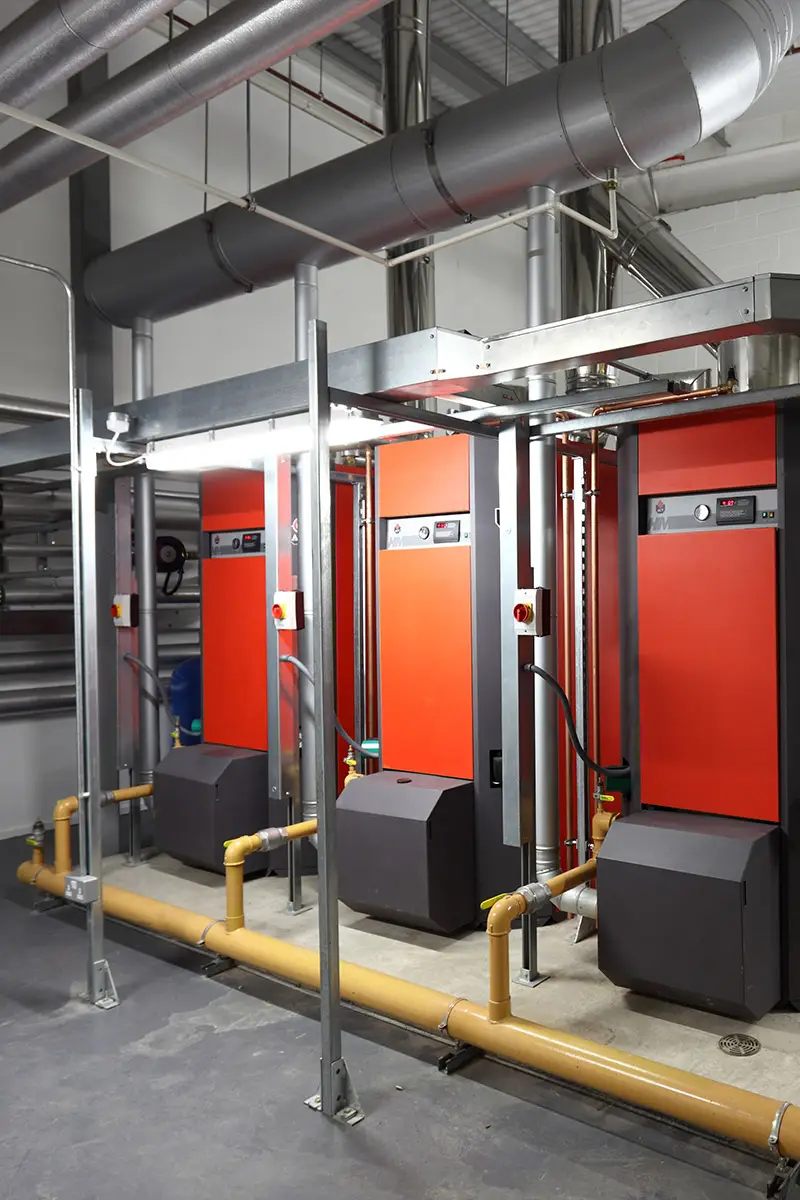
Ground source heat pumps were integrated into all four schools from the outset, providing efficient heating and cooling and reducing reliance on fossil fuels. Rainwater harvesting systems on all roofs supply water for toilet flushing, reducing mains consumption across the estate.
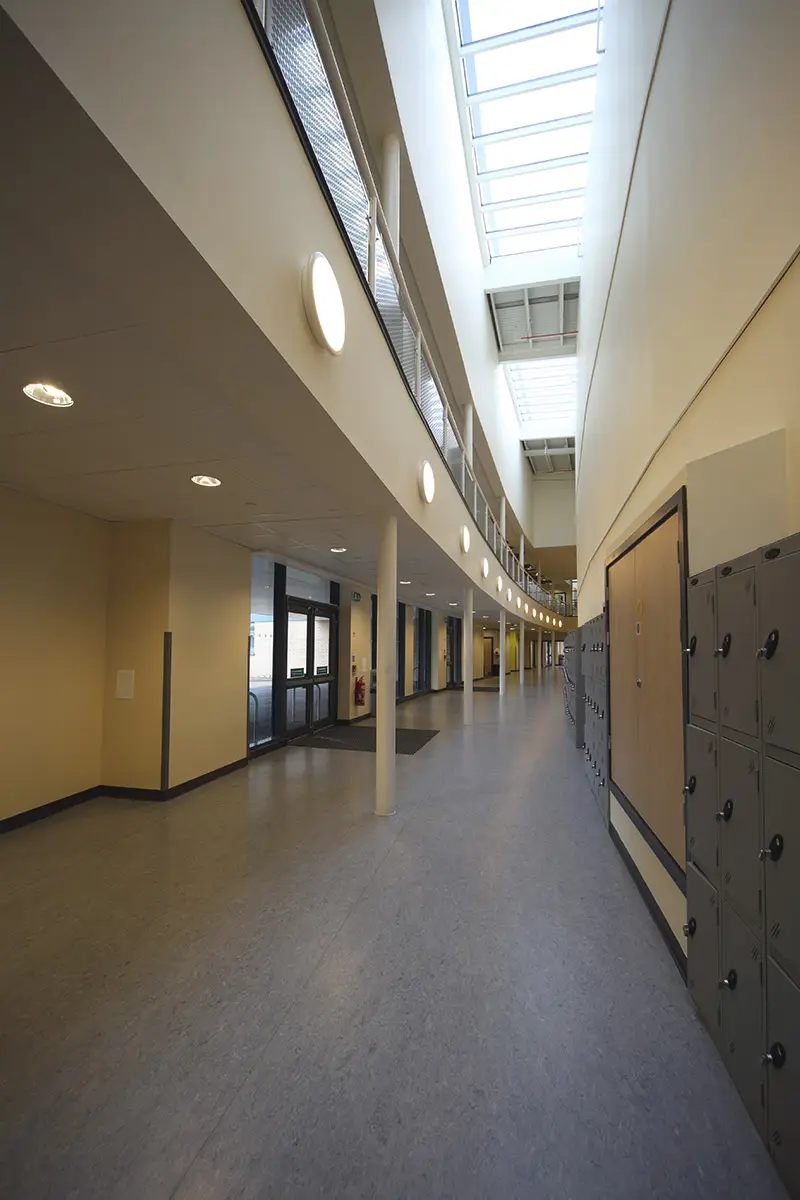
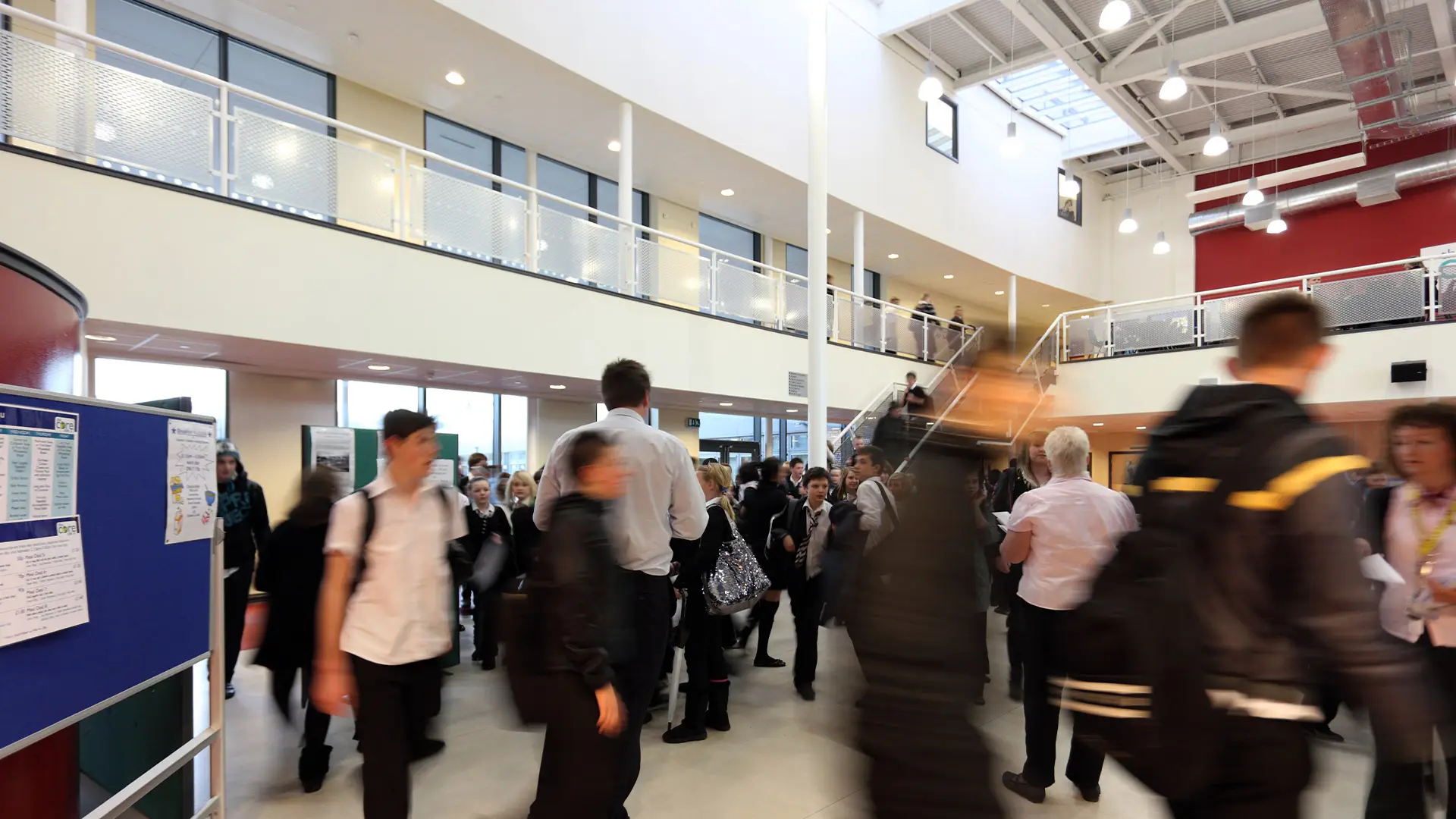
Building within live school environments required careful planning and innovative programming. Noisy works were scheduled outside school hours, and weekly student site visits turned the construction process itself into a learning experience. Three bespoke architect practices developed distinct designs for each school, with natural light, ventilation, solar control glazing and flexible learning spaces at the heart of every brief.
Sustainability
Achieving a GRESB score of 96 and continuously improving energy performance across four schools
The four schools were designed to achieve BREEAM Excellent, incorporating ground source heat pumps, rainwater harvesting, solar control glazing and natural ventilation from the outset.
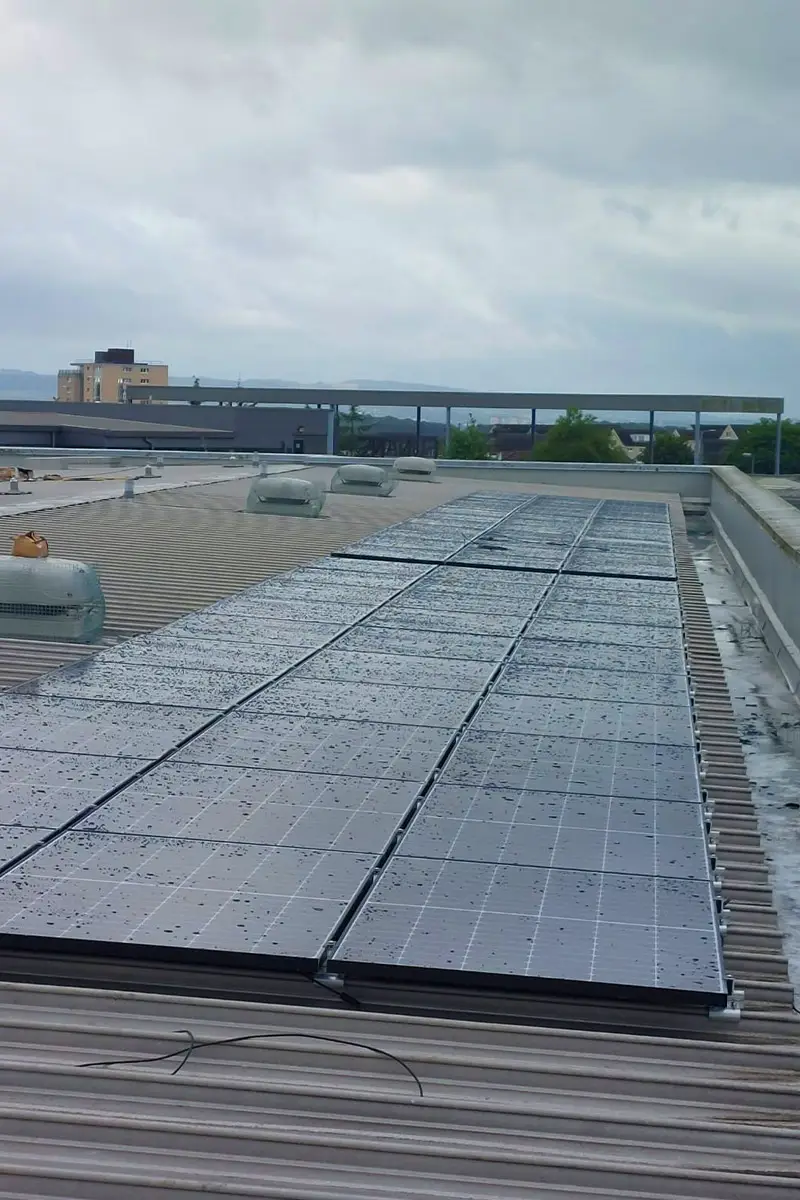
PV panels at St Peter the Apostle High School generate 84,241 kWh per year - approximately 7% of the school's annual electricity requirement - saving an estimated 17,790 kg of CO2 annually. Feasibility studies for PV at Vale of Leven Academy and Clydebank High School are under way.
Electricity consumption across the estate has fallen by approximately 19% since 2015, from 1,229,000 kWh to 992,000 kWh in 2025.
The project achieved a GRESB sustainability score of 96 in 2024/25, one of the highest ESG performance ratings for social infrastructure in Scotland.
A full decarbonisation review is under way across all four schools, with results expected in the third quarter of 2026.
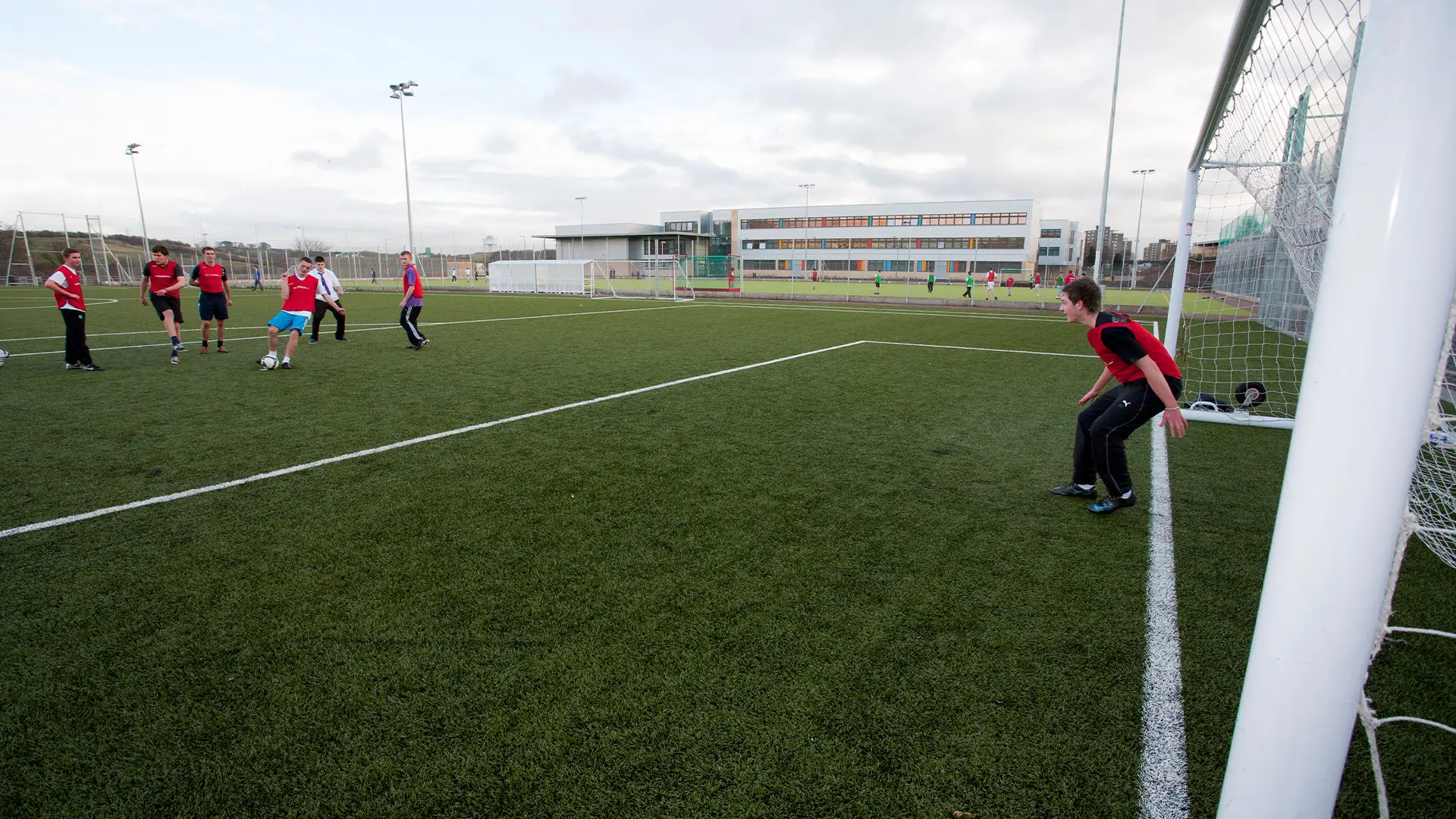
All four schools open their sports facilities - including floodlit pitches, sports halls and running tracks - to the community outside school hours, providing vital leisure resources for the communities of Clydebank and Alexandria.
A GRESB sustainability score of 96, electricity consumption down 19% since 2015 - and still improving across all four schools.