Widening a vital Dutch motorway two years ahead of schedule while protecting ecology along the route.
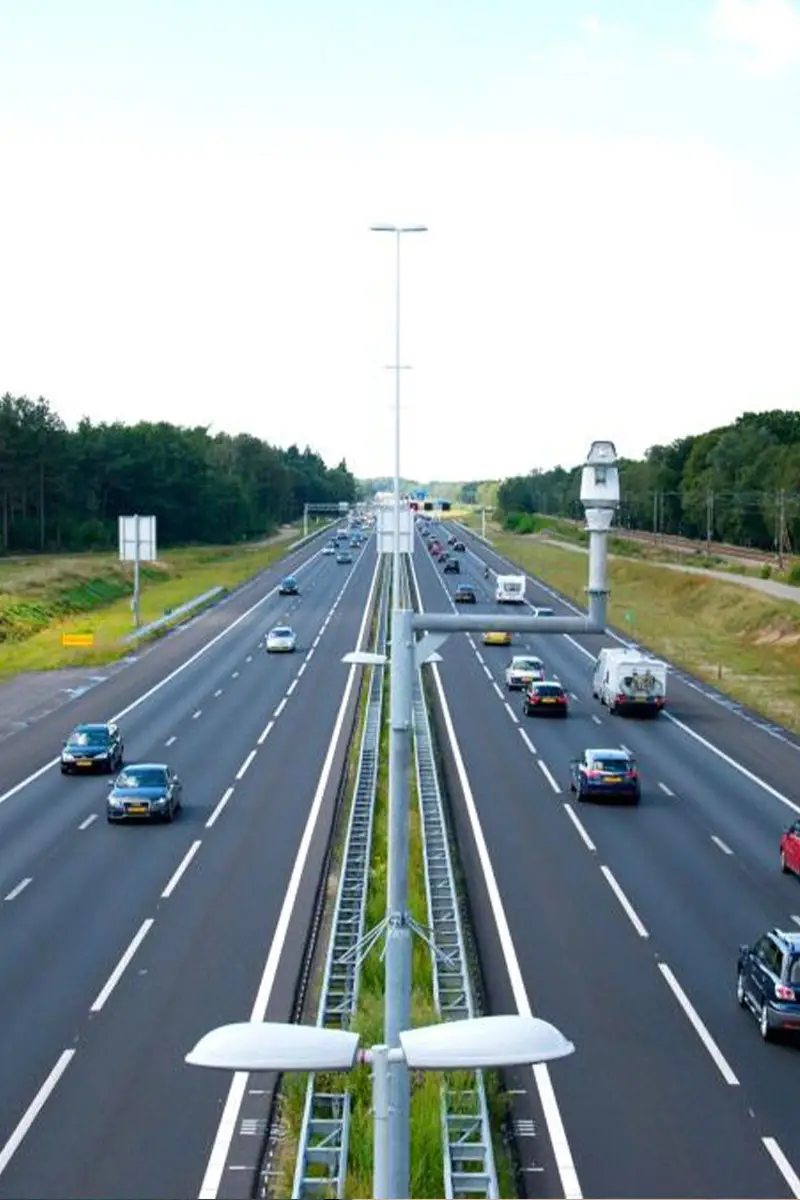
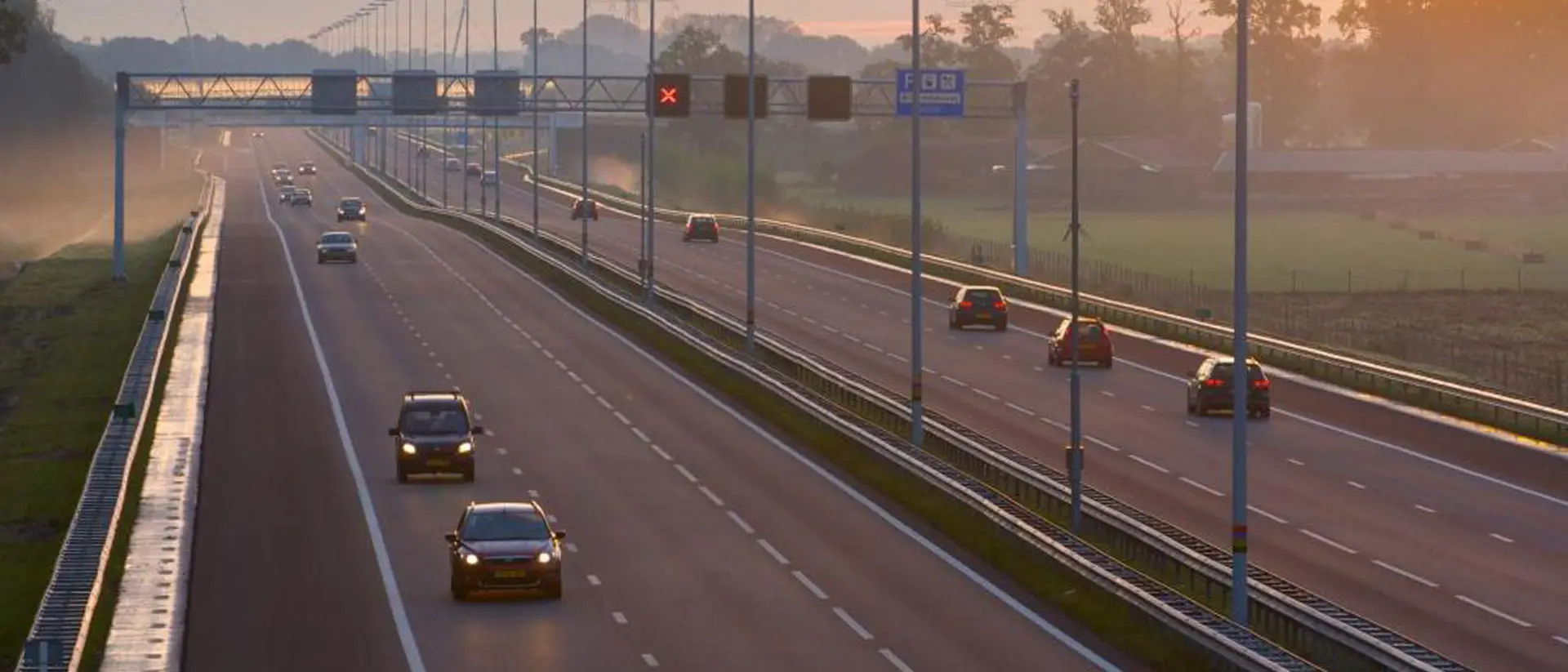
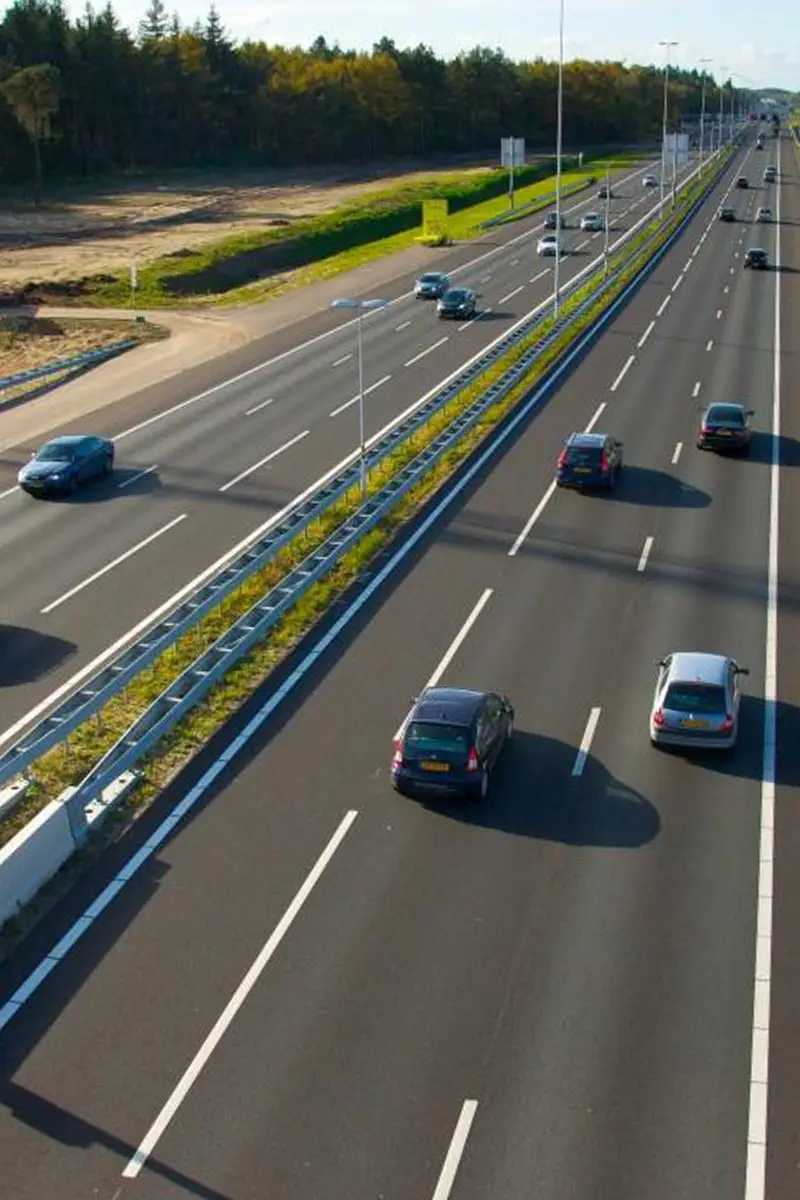
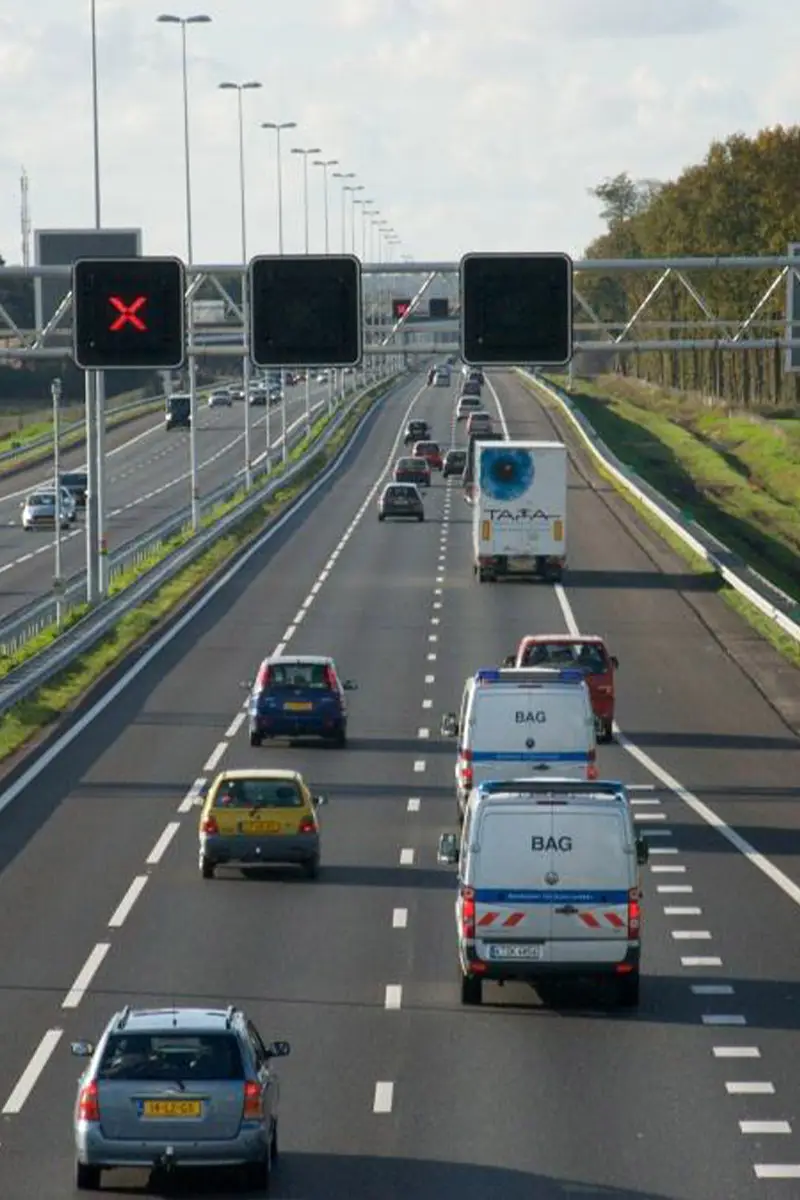
The A12 is one of the Netherlands' most important motorway corridors. Invesis won the DBFM contract to widen 30km between junction Lunetten and Veenendaal in 2010, completing construction by August 2012 - two years ahead of the original programme. The project saves road users 10-15 minutes during rush hour and created 26 eco-facilities along the route.
Financial Close
September 2010
Construction Period
2010 - 2012
Concession Period
20 years
Handback
Oct-32
Client
Rijkswaterstaat
Location
Bunnik, The Netherlands
Sponsor/Investor
Invesis
Consortium
Poort van Bunnik B.V.
Engineering Procurement and Construction
BAM Infra
Operations and Maintenance
BAM Infra
Capital Value
€245m
Supporting Rijkswaterstaat to widen one of the Netherlands' most vital motorway corridors
The A12 between Utrecht and Arnhem is one of the Netherlands' most heavily used motorway corridors. By 2010, the existing four-lane section was struggling to meet demand, causing congestion and lost journey time for thousands of commuters and freight vehicles daily.
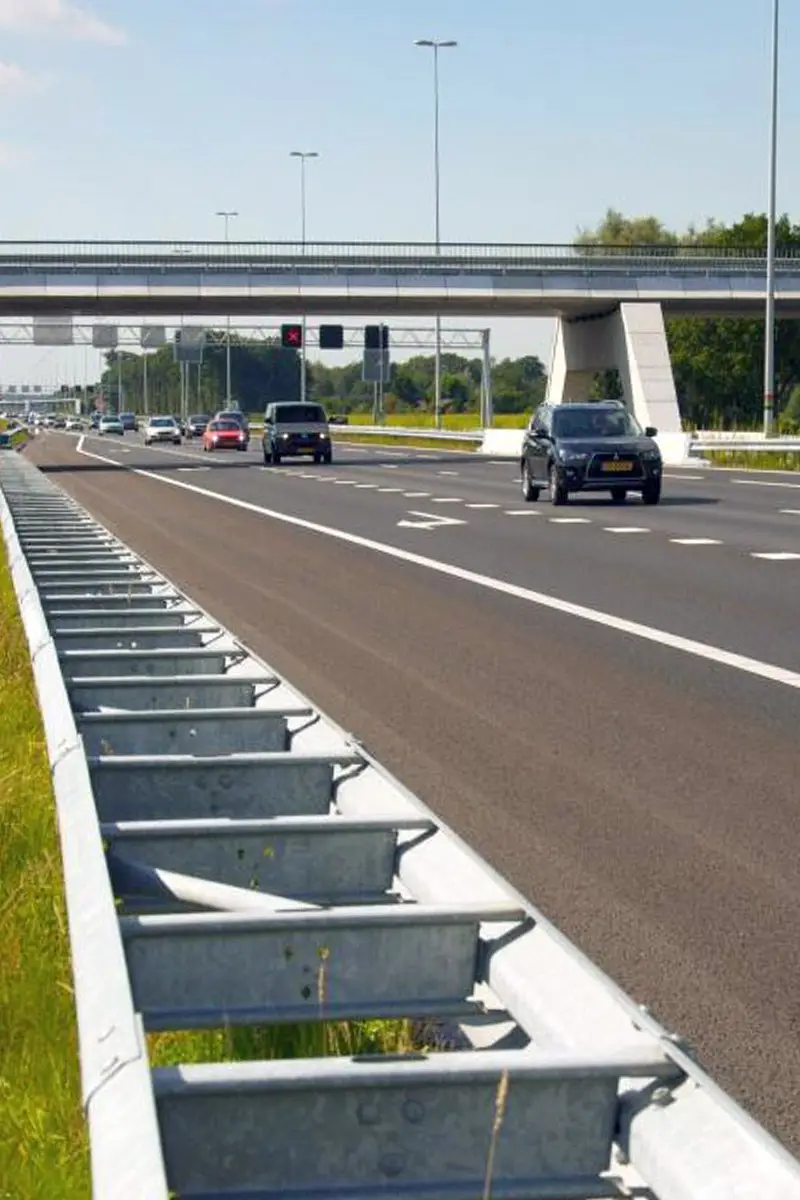
In 2010, Rijkswaterstaat awarded the DBFM contract to the Poort van Bunnik consortium - with Invesis as sole investor - covering design, build, finance and maintenance of the 30km widening. BAM Infra delivered construction and operations. The project added rush-hour lanes and extended carriageway capacity, requiring full reconstruction including viaducts, subways, road furniture, traffic management systems and noise reduction measures.
Construction was completed in August 2012 - two years ahead of the original programme - while keeping the motorway open to traffic throughout. The project was awarded the Nederlandse Bouwpluim 2013 for its collaborative approach and delivery.
Two years ahead of schedule, 10-15 minutes saved for commuters and 26 eco-facilities protecting the local environment - a benchmark delivery for Rijkswaterstaat.
Sustainability
Protecting biodiversity, improving sustainable asphalt and tracking environmental performance on the A12
26 eco-facilities were created along the entire route, including two ecoducts, animal underpasses for badgers and other wildlife, and a wide underpass at the Valleikanaal - protecting ecological connectivity across the corridor.
The pavement was designed for higher traffic volumes than required, meaning only one replacement will be needed across the 20-year concession - reducing material use and carbon emissions significantly.
More sustainable asphalt using lower-temperature production methods reduces CO2 emissions by up to 30% compared to conventional asphalt.
Annual biodiversity and tree assessments are carried out along the route, alongside annual groundwater quality monitoring to prevent pollution.
The project participates in the GRESB global ESG benchmark, with its score increasing from 55 points in 2021 to 84 points in 2023.
From ecoducts to sustainable asphalt - actively monitoring and improving environmental performance on the A12 since 2012.