Client
Federal Republic of Germany, represented by the Autobahn GmbH des Bundes, in turn represented by DEGES GmbH
Location
Near Berlin, Germany
Availability model - A10/A24 Neuruppin to AD Pankow
The A10/A24 was Germany's first new-generation motorway PPP - a landmark project widening approximately 60km of motorway near Berlin to improve connections between the capital and the northern regions of Brandenburg and Hamburg. Delivered in December 2022 despite the challenges of COVID-19 and the Ukraine conflict, it demonstrates what a well-structured long-term PPP partnership can achieve.
Financial Close
February 2018
Construction Period
2018 - 2022
Concession Period
30 years
Handback
2048
Client
Federal Republic of Germany, represented by the Autobahn GmbH des Bundes, in turn represented by DEGES GmbH
Location
Near Berlin, Germany
Sponsor/Investor
Invesis and HABAU
Consortium
Havellandautobahn GmbH & Co. KG
Engineering Procurement and Construction
Wayss & Freytag Ingenieurbau AG and HABAU
Operations and Maintenance
HABAU
Capital Value
€650m
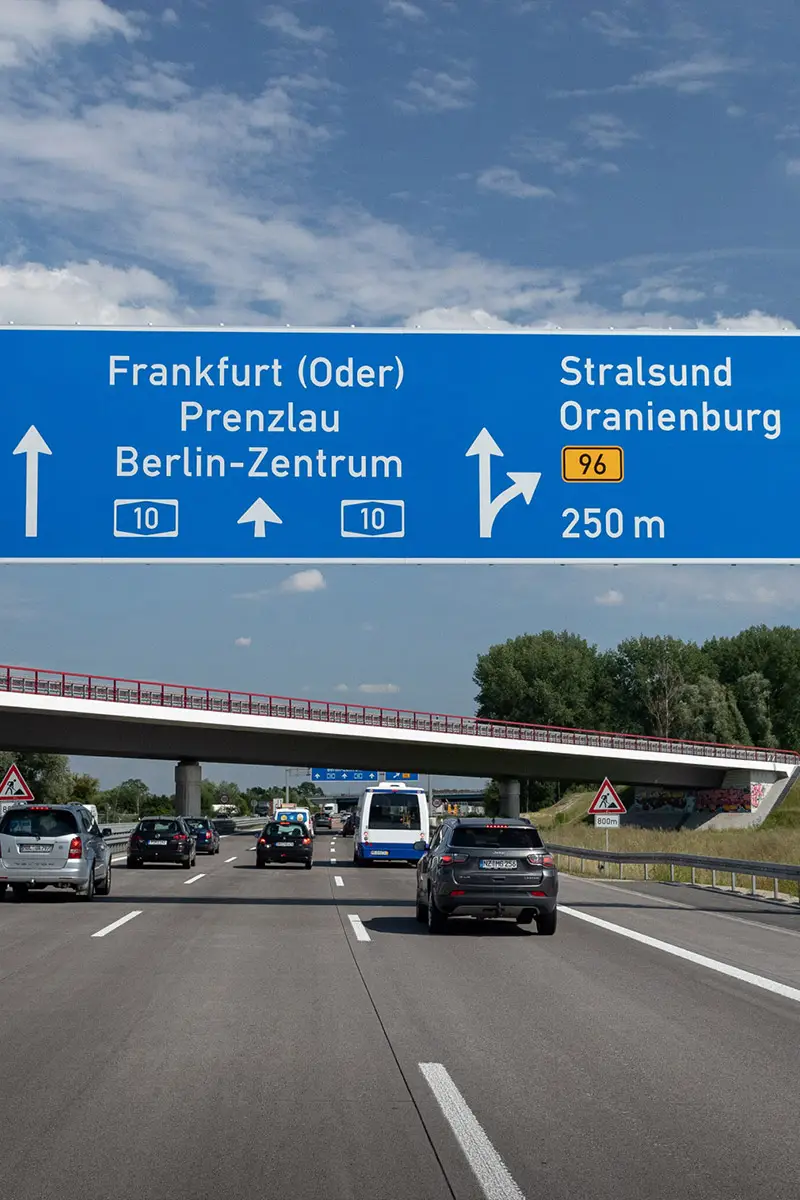
Supporting the German Ministry of Transport to deliver enhanced motorways connecting Berlin with northern Germany
Germany's A10/A24 corridor near Berlin had long been operating at or beyond its capacity, with safety issues on the four-lane section and growing congestion affecting commuters and freight across the northeastern region.
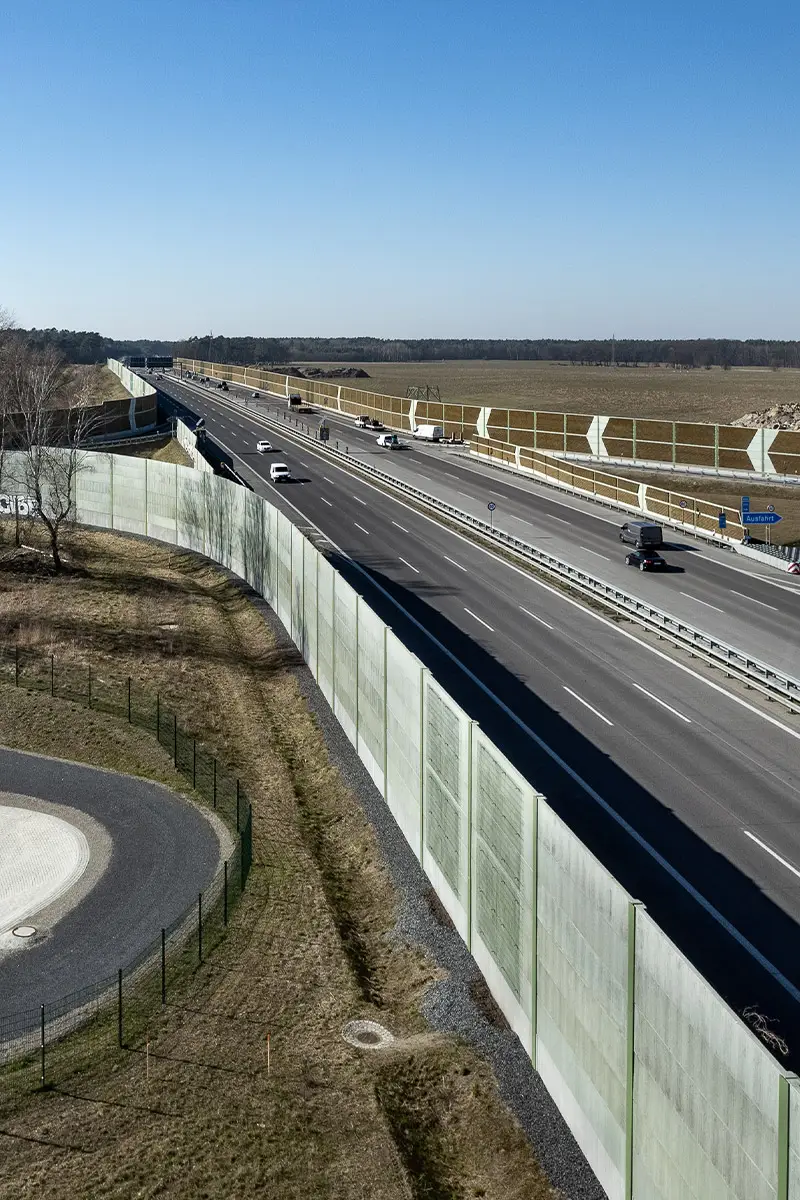
In 2018, the Federal Republic of Germany selected the Havellandautobahn consortium - comprising Invesis (70%) and HABAU (30%) - under a 30-year PPP contract. The scope included widening the A10 to six lanes over 29.7km, the complete reconstruction of the A24 over 29.2km and the construction or replacement of 38 bridges.
As the first of 11 projects in Germany's new generation of motorway PPPs, the A10/A24 set the standard for what followed. Invesis, as 70% investor and SPV manager, led the project through construction and continues to manage operations and maintenance - delivering on time and on budget in December 2022 despite the impact of COVID-19 and the Ukraine conflict.
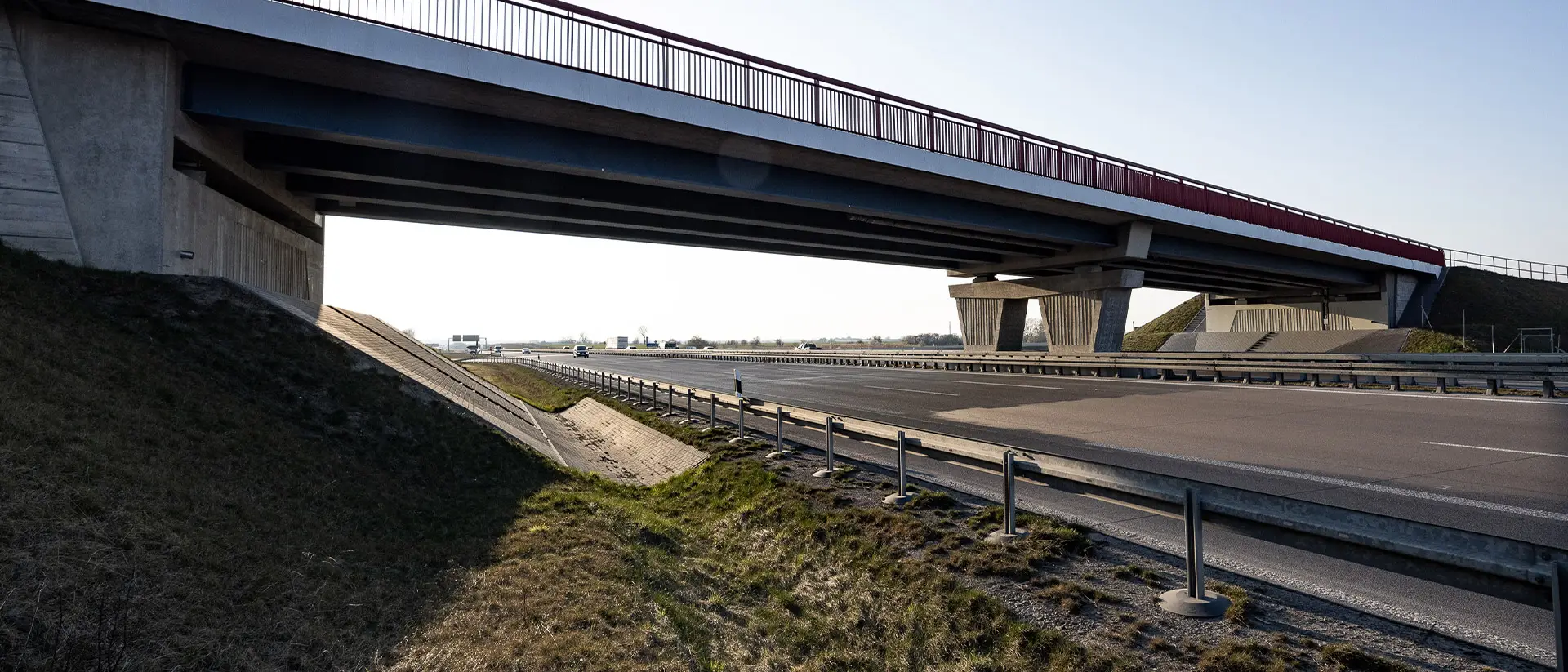
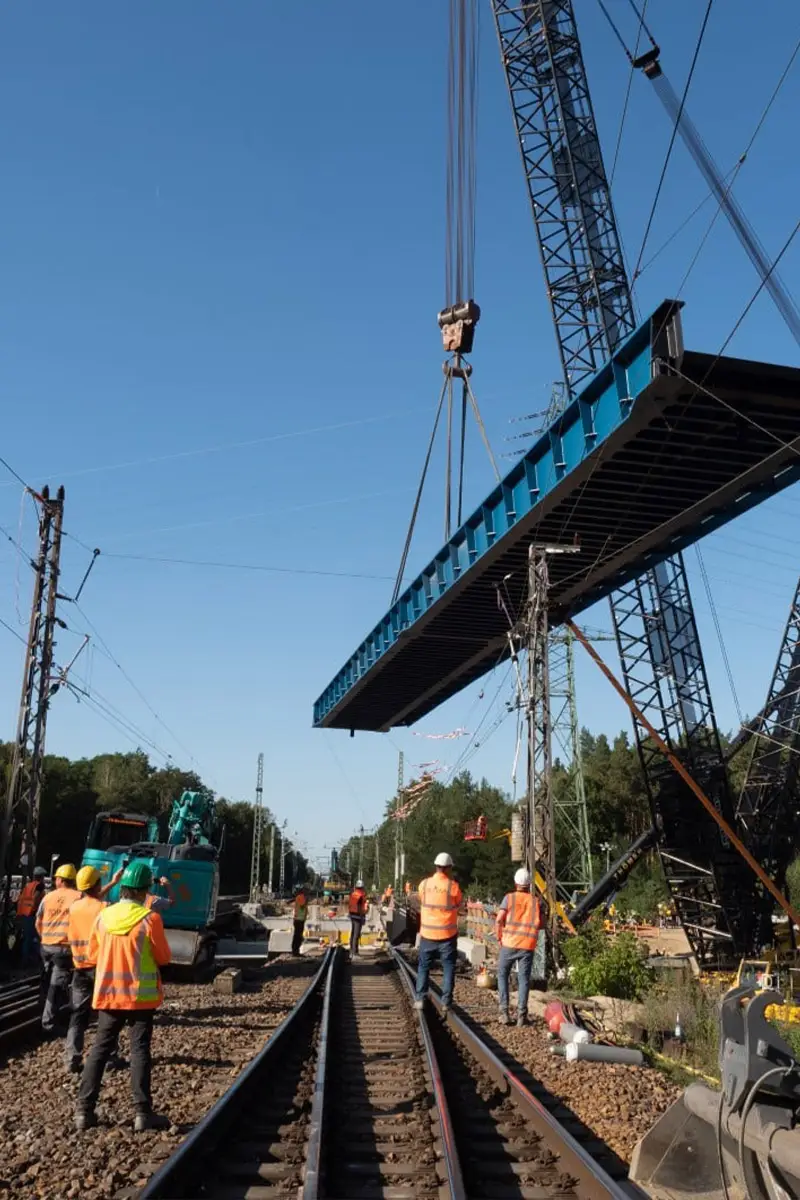
Introducing BIM to German motorway infrastructure and optimising lifecycle performance from day one
The A10/A24 was the first German motorway PPP to incorporate BIM, applied across a construction section and extended into heavy maintenance documentation - enabling better quality control, lifecycle planning and asset management throughout the concession.
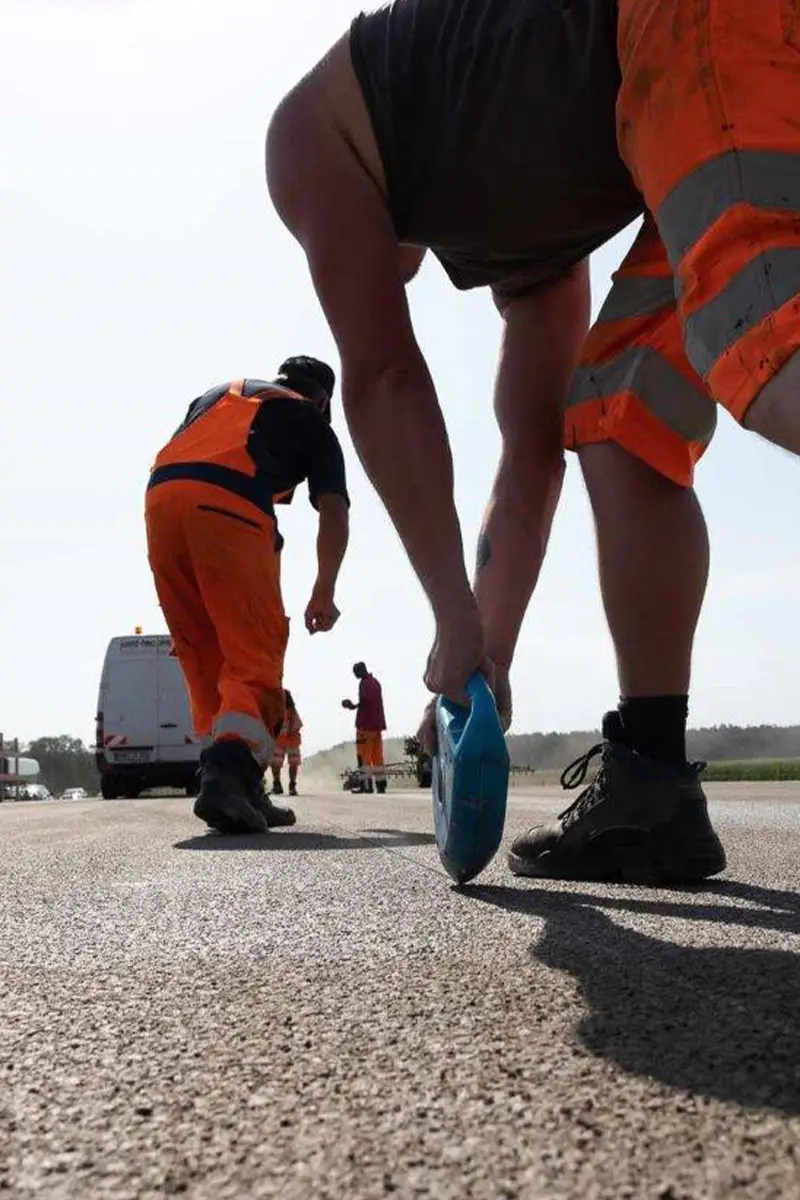
Pavement thickness was designed beyond German code requirements to reduce lifecycle maintenance costs over 30 years, and a bespoke heavy maintenance tool was developed to monitor and update lifecycle progression in real time.
The operations centre at Oberkraemer has a PV system generating 95.5 kWp, powering the facility and its fleet. In 2026, this was expanded with battery storage and eight EV wallboxes - transitioning the light vehicle fleet to electric and further reducing the project's carbon footprint.

Improving road safety, reducing noise and driving economic growth across the Berlin-Brandenburg corridor
- The widened A10 and reconstructed A24 have substantially reduced congestion and average travel times for commuters and freight, improving connections between Berlin and the wider areas of Brandenburg and Hamburg.
- Approximately 20km of noise protection walls were constructed as part of the project, significantly reducing noise pollution for communities along the route.
- LED lighting is installed at all rest areas, with solar panels powering variable signing along the motorway.
- The business area around Interchange Oberkraemer has grown significantly since construction was completed, with commercial development accelerating in the corridor.
- An e-mobility transition is under way at the operations centre, with EV charging infrastructure installed in early 2026 to support the shift to electric light vehicles.
- The operations team supports local fire brigades with financial contributions each year, with an open day for the wider neighbourhood planned for 2026.